Visit Coimbra: Things to Do, University, Fado & Travel Guide
September 2, 2026
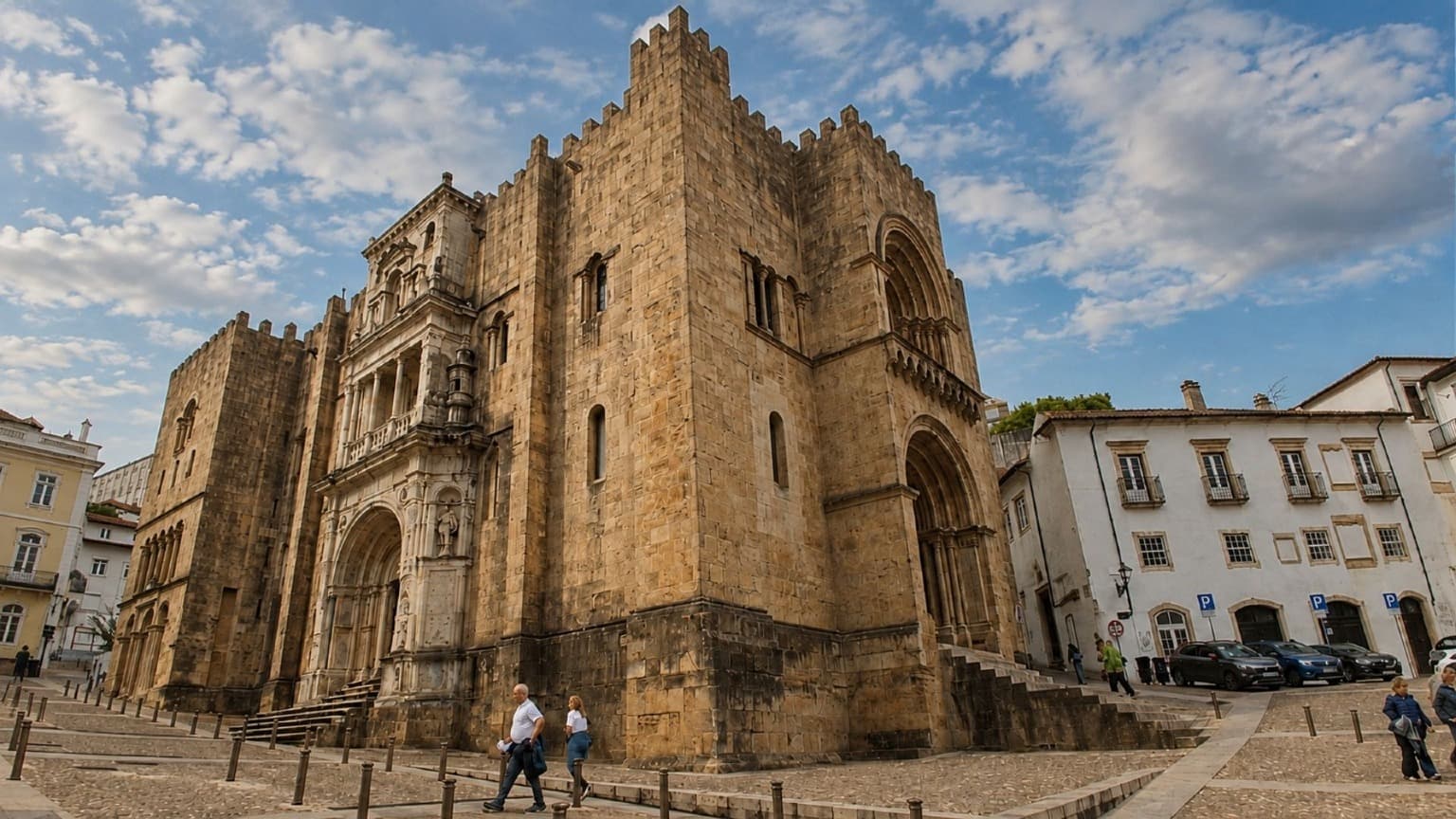
The fortress-like Sé Velha is one of Coimbra's most important Romanesque monuments and a landmark of the medieval city.
Coimbra is one of Portugal's most historic cities, where centuries of academic tradition, medieval heritage and Portuguese culture come together along the banks of the Mondego River. Best known for its historic university, Coimbra is also a city of ancient churches, narrow streets, traditional Fado and a lively student atmosphere.
Once the capital of the emerging Portuguese kingdom, Coimbra played an important role in the country's history and remains deeply connected to its academic and cultural traditions. The city is home to the University of Coimbra, a UNESCO World Heritage Site and one of the oldest universities in Europe.
Beyond the university, Coimbra rewards visitors who take time to explore its historic centre, discover its medieval landmarks, walk along the Mondego River and experience the distinctive sounds of Fado de Coimbra. Many of the main sights can be explored on foot, although the steep streets and stairs between the upper and lower city are very much part of the Coimbra experience.
In this Coimbra Travel Guide, we take you beyond the main landmarks to help you discover the best things to see and do, the most interesting areas to explore, where to eat, how to experience Coimbra's culture and how to plan your visit.
Coimbra at a Glance
• Don't miss: University of Coimbra, Sé Velha and Santa Cruz Monastery
• Best walk: University → Sé Velha → Quebra-Costas → Arco de Almedina → Baixa
• For culture: Experience Fado de Coimbra and visit the Machado de Castro Museum
• For another perspective: Cross the Mondego to Santa Clara and Quinta das Lágrimas
• How long: One full day for the essentials; two days for a more complete experience
University of Coimbra & Coimbra's Academic Quarter
No visit to Coimbra is complete without exploring its university. Founded in 1290 and permanently established in Coimbra in the 16th century, the University of Coimbra is one of Europe's oldest universities and has shaped the city's architecture, traditions and identity for centuries.
The historic university occupies the highest part of Coimbra's old town, centred on the former Royal Palace and surrounding buildings at the top of the hill. Rather than visiting it as a single monument, allow time to explore the different spaces that tell the story of Portuguese royalty, academic life and centuries of learning.
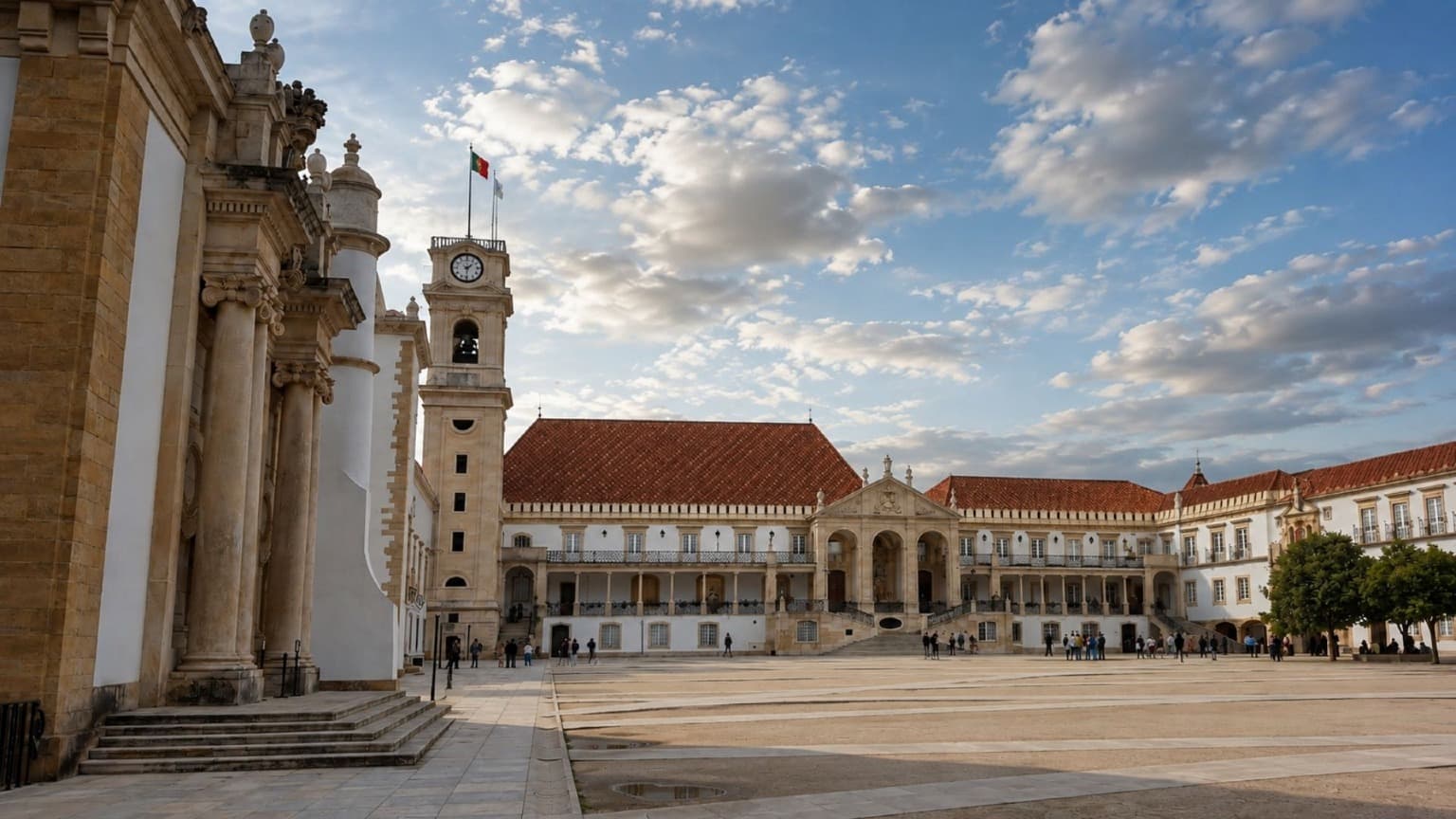
Paço das Escolas, the historic heart of the University of Coimbra, occupies the former Royal Palace at the top of the city's historic centre.
Paço das Escolas
The Paço das Escolas is the historic heart of the university and the best place to begin. Once a royal palace, it became the centre of university life after King João III permanently established the institution in Coimbra in 1537.
Enter through the monumental Porta Férrea and take time to enjoy the main courtyard before exploring the historic interiors. Look also for the elegant Via Latina and the University Tower, one of Coimbra's most recognisable landmarks. Its famous bell, traditionally known as the Cabra, has marked the rhythm of university life for generations.
Among the highlights are:
• Biblioteca Joanina – Coimbra's magnificent Baroque library, built during the reign of King João V and one of the university's most celebrated spaces.
• Sala dos Atos Grandes (Sala dos Capelos) – The former Throne Room of the Royal Palace and today the ceremonial heart of the university.
• Sala do Exame Privado – Historically associated with private doctoral examinations and academic ceremonies.
• Capela de São Miguel – A richly decorated university chapel with Manueline and later decorative elements.
• Prisão Académica – A remarkable reminder that the university once had its own judicial authority and could imprison members of its academic community.
💡 Traveller's tip: If the Biblioteca Joanina is a priority, plan your university visit around your allocated entrance time. Access to the library is timed, while other spaces included in the university circuit can be explored around it.
👉 Want to understand the university before your visit? Read our complete guide to the University of Coimbra, including its history, architecture and most important spaces.
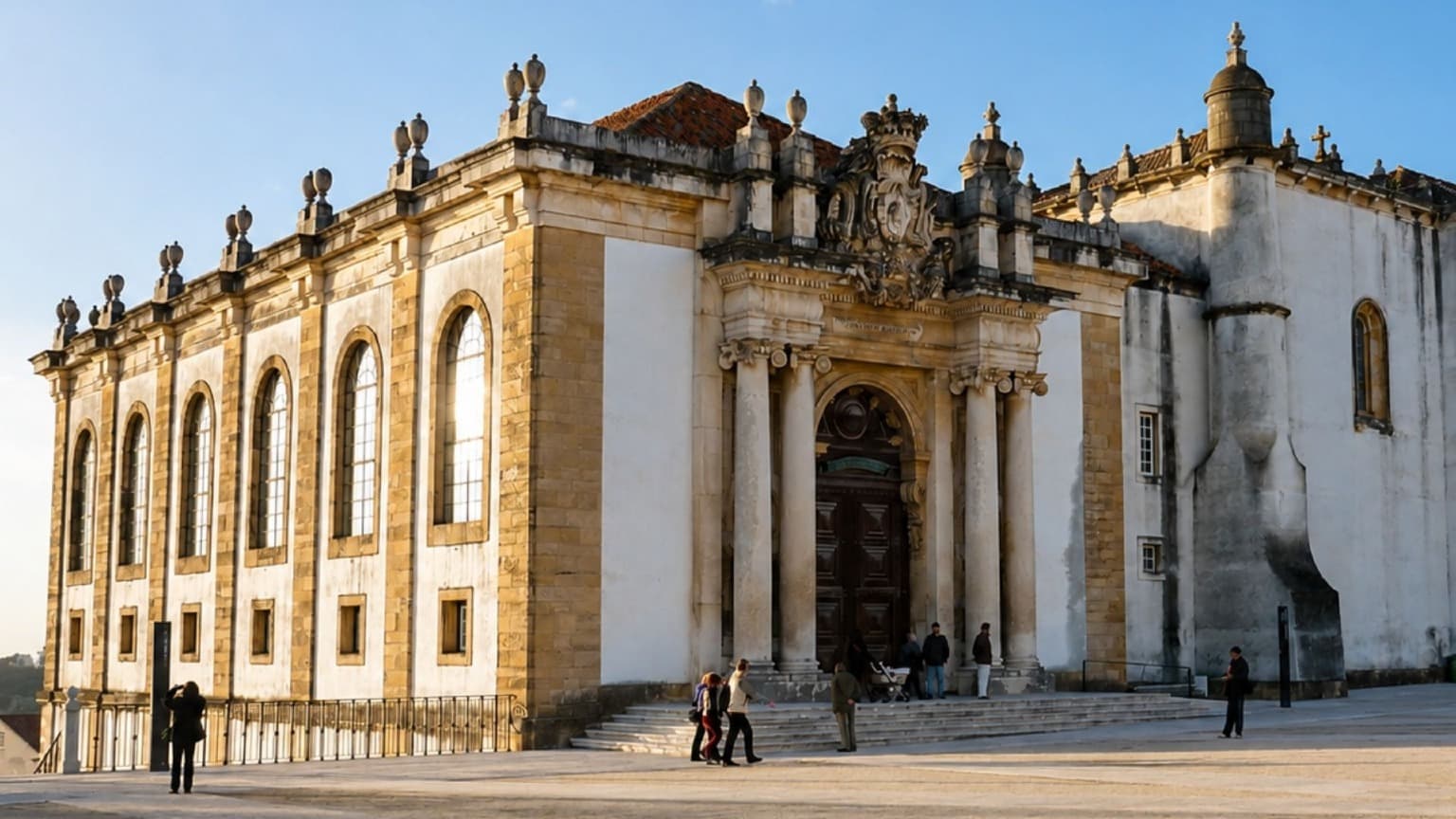
The Biblioteca Joanina is the University of Coimbra's celebrated Baroque library, built during the reign of King João V.
Museu da Ciência da Universidade de Coimbra
Continue the university story at the Science Museum of the University of Coimbra, where historic scientific collections and teaching spaces reveal another side of Coimbra's academic heritage.
It is particularly worthwhile for travellers interested in the history of science and university education rather than only the monumental side of the institution.
Jardim Botânico da Universidade de Coimbra
After exploring the university buildings, slow the pace at the Botanical Garden of the University of Coimbra. Created in the 18th century during the university reforms, it extends down the hillside below the academic quarter and provides a peaceful contrast to the monumental university complex.
Nearby, look for the Aqueduto de São Sebastião, commonly known as the Arcos do Jardim, another distinctive landmark connected with this part of Coimbra's historic landscape.
👉 Want to discover Coimbra with a local guide? Explore our Private Coimbra Walking Tour, a carefully curated experience from one of our trusted local partners, combining the University of Coimbra and Biblioteca Joanina with the city's historic centre, landmarks and stories.
Coimbra's Historic Centre: From the Upper City to Baixa
One of the pleasures of Coimbra is simply walking downhill from the university through the medieval city towards Baixa. The route connects cathedrals, narrow streets, old city gates, churches, squares and cafés, making the journey between monuments part of the experience itself.
For first-time visitors, this is one of the best walks in Coimbra, connecting the university and upper city with the Sé Velha, medieval streets, Arco de Almedina, Santa Cruz and the commercial heart of Baixa.
Sé Velha de Coimbra
The Old Cathedral of Coimbra (Sé Velha) is one of Portugal's most important Romanesque buildings and an essential stop between the university and the lower city.
Its fortress-like exterior reflects the medieval period in which it was constructed, while the interior and Gothic cloister reveal different phases of the cathedral's history.
The square in front of the cathedral is also closely connected with Coimbra's academic traditions, including the city's famous student serenades.
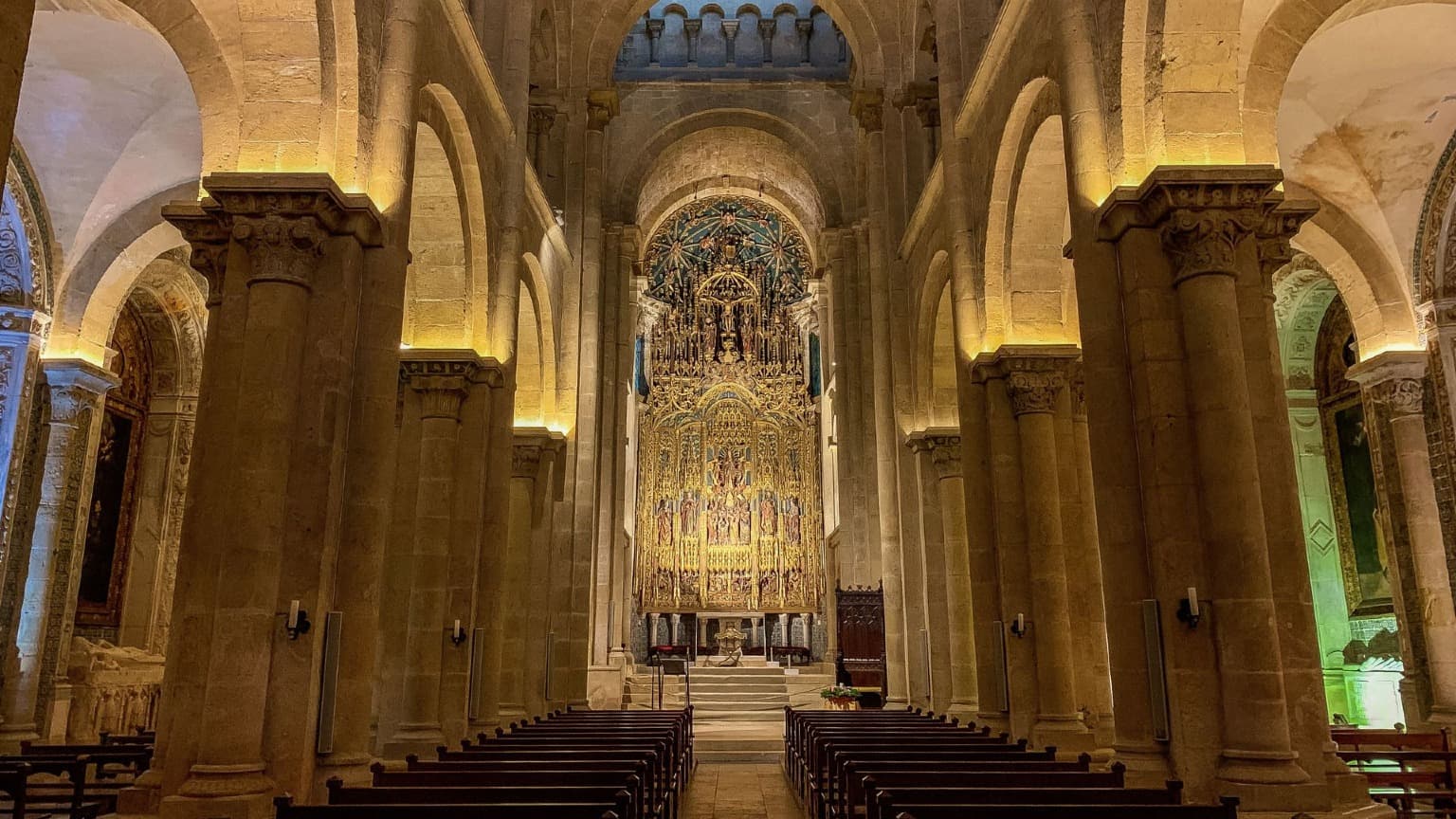
Inside Coimbra's Sé Velha, Romanesque architecture and later artistic elements reveal centuries of religious history.
Sé Nova de Coimbra
Not far from the university stands the New Cathedral (Sé Nova), originally built as a Jesuit church.
Visiting both cathedrals provides an interesting architectural contrast: the defensive Romanesque character of the Sé Velha against the later Mannerist and Baroque character of the Sé Nova.
Rua Quebra-Costas, Arco de Almedina & the Medieval City
From the Sé Velha, continue downhill through Rua Quebra-Costas, one of the most characteristic pedestrian streets in Coimbra's historic centre.
Its name roughly evokes the idea of "breaking backs", which feels surprisingly appropriate when climbing its steep steps.
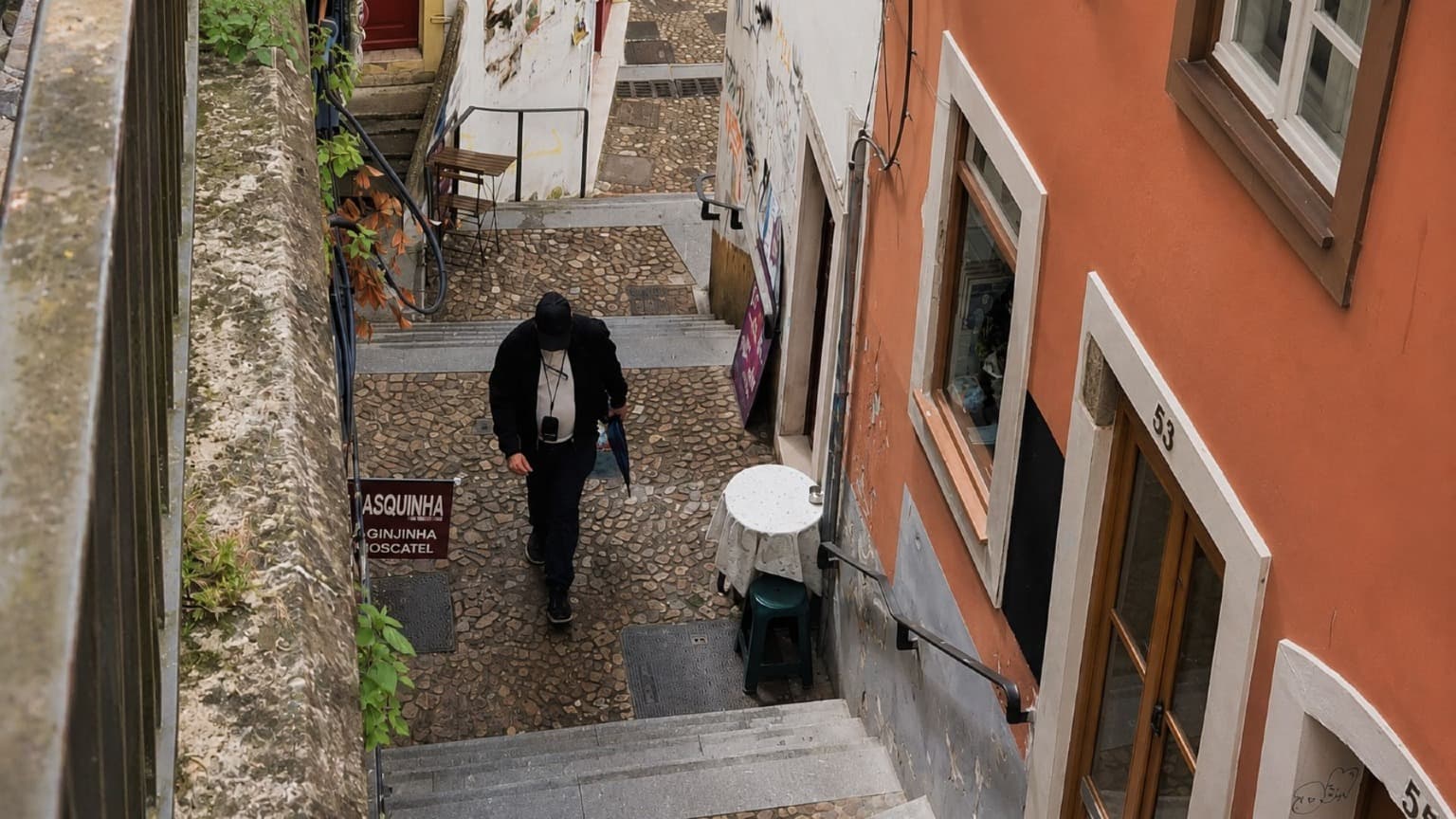
Rua Quebra-Costas forms part of the steep pedestrian route connecting Coimbra's upper city with Baixa.
As you move through the Alta, look out for Coimbra's historic Repúblicas, traditional student houses that have played an important role in the city's academic, social and cultural life for generations.
Continue towards the Arco and Torre de Almedina, one of the most important surviving gateways of Coimbra's medieval fortifications. Rather than seeing the gateway as an isolated monument, imagine this area as the transition between the fortified upper city and the commercial streets below.
💡 Traveller's tip: Walk this route downhill from the university towards Baixa if you want the easier version. Walking it in the opposite direction is considerably steeper.
Mosteiro de Santa Cruz
In Praça 8 de Maio stands one of the most important monuments in Portuguese history: the Monastery of Santa Cruz.
Founded in the 12th century, Santa Cruz became one of the country's most influential religious institutions and contains the tombs of King Afonso Henriques and King Sancho I, Portugal's first two kings.
Its importance goes far beyond architecture. Santa Cruz was closely connected with the formation of the Portuguese kingdom and provides an ideal place to understand Coimbra's role in the country's early history.
👉 Learn more about Portugal's first king in our article dedicated to D. Afonso Henriques.
Café Santa Cruz & Jardim da Manga
Beside the monastery, Café Santa Cruz occupies a former religious space that was transformed into a café in 1923. Even if you only stop for coffee, it's one of those places where Coimbra's monumental history and everyday city life overlap naturally.
Behind the monastery, make a short detour to Jardim da Manga, immediately recognisable by its distinctive yellow structures and small central fountains.
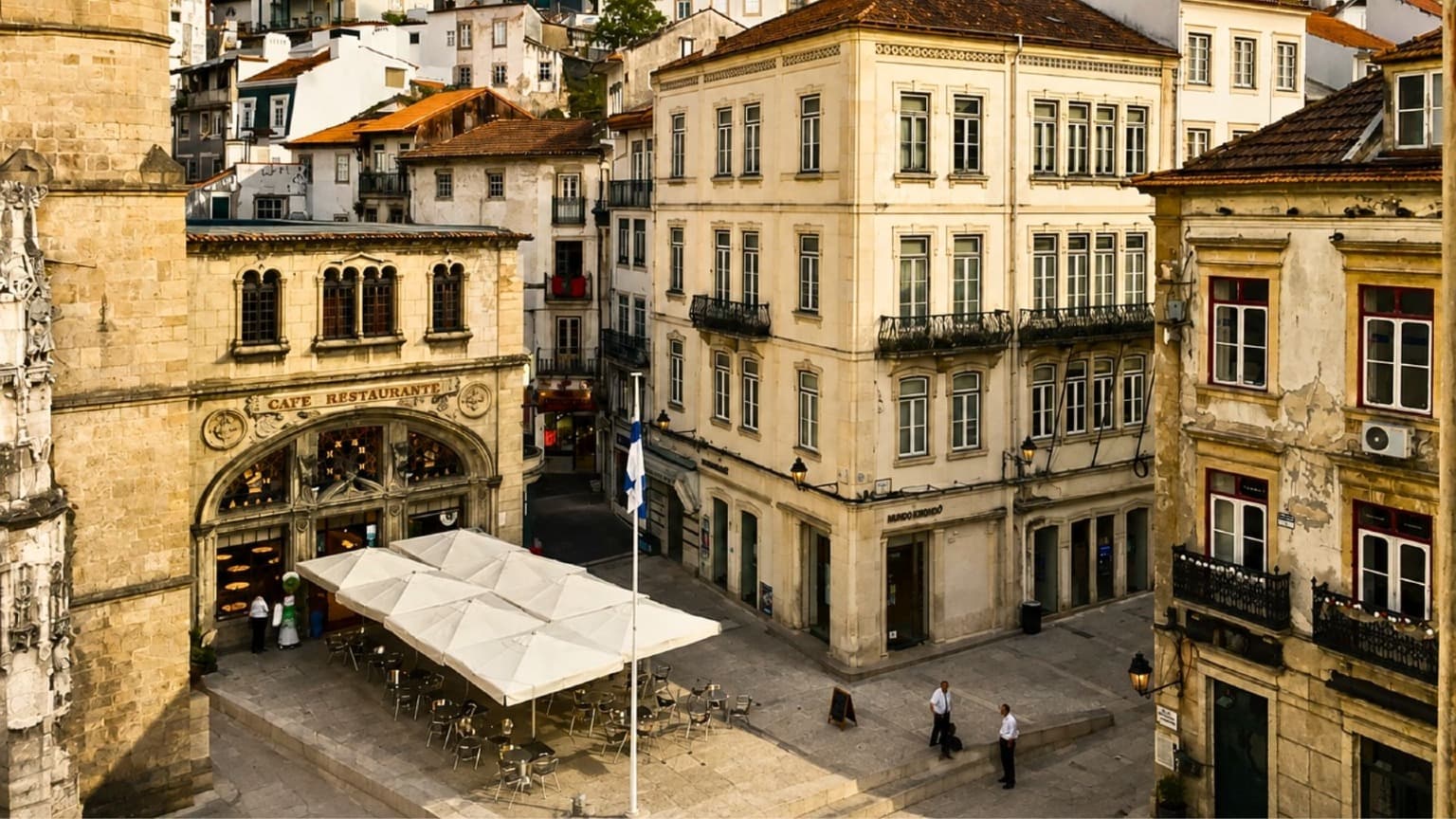
Café Santa Cruz brings everyday city life into one of Coimbra's most historic settings, beside the Monastery of Santa Cruz.
Praça do Comércio & Igreja de São Tiago
Continue into Baixa towards Praça do Comércio, for centuries one of the centres of Coimbra's commercial and social life. Here you'll find the Romanesque Igreja de São Tiago, a smaller church than the city's cathedrals but an interesting surviving element of medieval Coimbra.
From here, Rua Ferreira Borges leads through the pedestrian heart of the lower city towards Largo da Portagem and the Mondego.
Museums & Gardens in Coimbra
Coimbra deserves more than a checklist of churches and university buildings. Its museums and gardens reveal different layers of the city's history and provide worthwhile stops for travellers spending more than one day here.
Museu Nacional Machado de Castro
If you visit only one museum beyond the university, make it the Museu Nacional Machado de Castro.
Located close to the Sé Nova, the museum occupies the former Episcopal Palace and houses one of Portugal's most important collections of sculpture, painting and decorative arts.
But one of its greatest surprises lies underneath the building: the Roman Cryptoporticus of Aeminium, an extraordinary surviving structure from the Roman city that preceded Coimbra.
Allow enough time here. It is much more substantial than a quick museum stop and helps connect Roman Aeminium, medieval Coimbra and the city's later artistic heritage.
Jardim da Sereia
The Jardim da Sereia, also known as Parque de Santa Cruz, offers a quieter break from sightseeing. Its formal entrance, fountains, tiled decoration and shaded paths make it an attractive place to rest between the university area and the northern side of the centre.
Penedo da Saudade
For something more closely connected with Coimbra's literary and academic identity, visit Penedo da Saudade.
This garden and viewpoint is filled with plaques and inscriptions left by generations of students, poets and university groups. It is less about a single monument and more about the emotion Coimbra's academic traditions have inspired over time.
Local tradition also associates the site with Pedro's mourning for Inês de Castro, adding another layer of legend to a place already deeply connected with saudade, poetry and Coimbra's student culture.
Across the Mondego: Santa Clara & the Riverside
Crossing the Mondego reveals another Coimbra. The Santa Clara side of the river combines monasteries, gardens, legends and some of the best perspectives back towards the historic city and university.
Mosteiro de Santa Clara-a-Velha
The Monastery of Santa Clara-a-Velha has one of Coimbra's most fascinating stories.
Established beside the Mondego and closely associated with Queen Saint Isabel, the medieval monastery suffered repeatedly from flooding. As the river continued to affect the complex, the community eventually abandoned it in the 17th century.
Today, the archaeological remains and interpretation centre allow visitors to understand both the monastery and its unusual relationship with the Mondego.
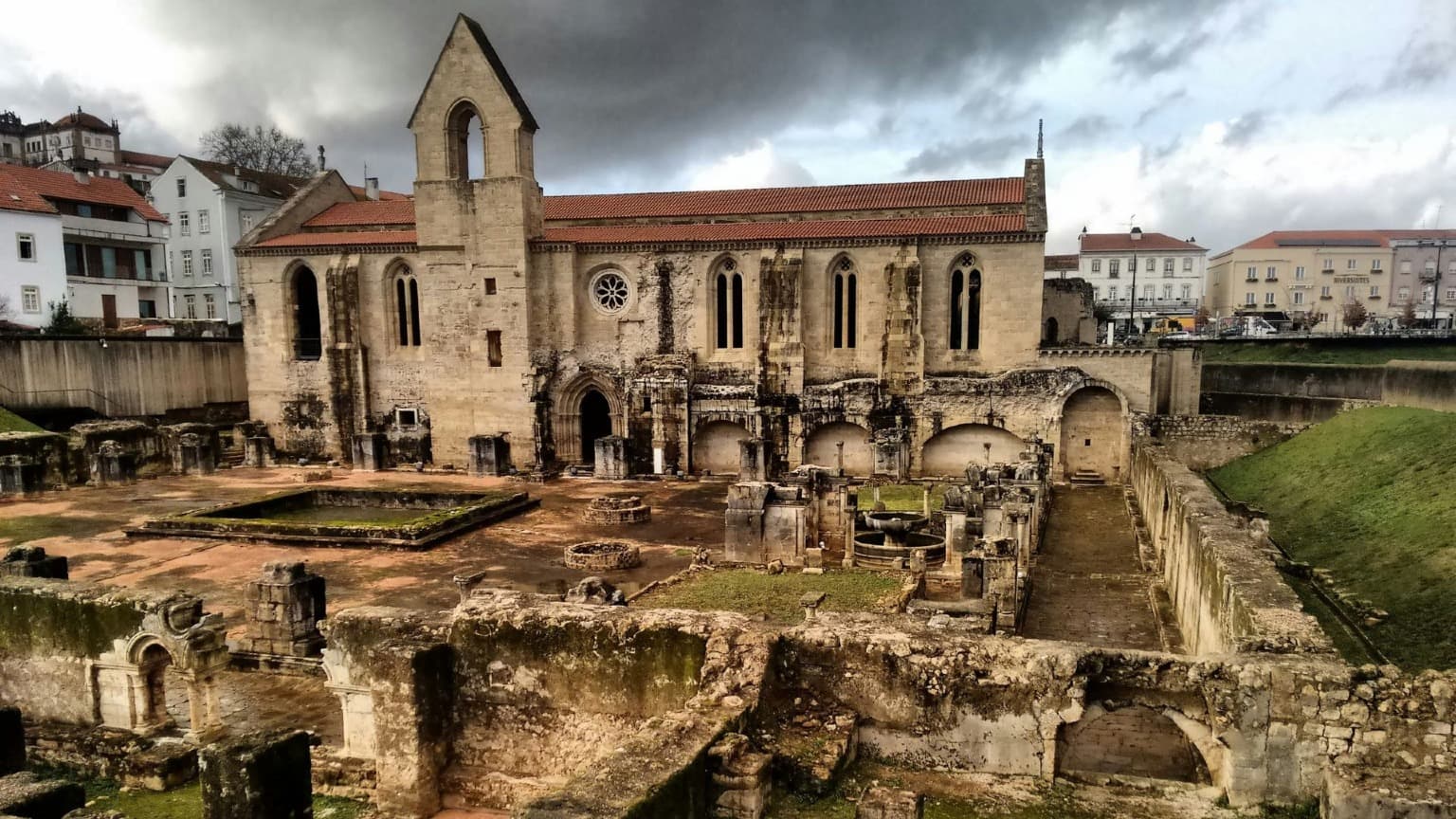
The archaeological remains of Santa Clara-a-Velha reveal the monastery's centuries-long relationship with the waters of the Mondego.
Mosteiro de Santa Clara-a-Nova
The story continues uphill at Santa Clara-a-Nova.
Built to replace the flood-prone monastery below, the new convent became the home of the community and today houses the tomb of Queen Saint Isabel, Coimbra's patron saint.
Visiting the two monasteries together makes much more sense than treating them as unrelated monuments: Santa Clara-a-Velha tells the story of the original community and its struggle with the Mondego, while Santa Clara-a-Nova explains what happened next.
💡 Taste Coimbra's conventual tradition: Look for Pastéis de Santa Clara, a traditional Coimbra pastry associated with the convent and the city's centuries-old tradition of conventual sweets.
Portugal dos Pequenitos
Travelling with children? Portugal dos Pequenitos is one of Coimbra's best-known family attractions.
Created in the 20th century, the park presents miniature and child-sized interpretations of Portuguese architecture, monuments and cultural heritage. Its style is very different from Coimbra's historic monuments, but families can easily combine it with Santa Clara because of its location.
Quinta das Lágrimas: Pedro & Inês
Few stories in Portuguese history are as famous as the tragic relationship between Pedro of Portugal, the future King Pedro I, and Inês de Castro, whose story has become inseparable from Coimbra.
Quinta das Lágrimas is traditionally associated with their relationship and with the murder of Inês in 1355. History, literature and legend have become deeply intertwined here, making the gardens one of Coimbra's most evocative places.
👉 Want to discover the full story? Read our guide to Pedro and Inês de Castro, exploring the history, tragedy and legends behind one of Portugal's most famous love stories.
Pedro e Inês Bridge & the Mondego Parks
After exploring Santa Clara, return towards the city across the pedestrian Pedro e Inês Bridge. Its position over the Mondego provides excellent views towards Coimbra's hillside and the university above the historic centre.
On either side of the river, Parque Verde do Mondego and Parque Manuel Braga provide space for walking, cycling or simply slowing down beside the water.
💡 Traveller's tip: This part of Coimbra is particularly pleasant later in the afternoon. Explore Santa Clara first, then walk back across the Pedro e Inês Bridge as the light begins to soften over the historic city.
Coimbra's Contemporary Cultural Side
Convento São Francisco
Coimbra's identity is not confined to medieval monuments and university traditions.
Across the Mondego, Convento São Francisco represents a more contemporary cultural side of the city. The historic convent complex has been transformed into a major cultural and events venue hosting concerts, performances, exhibitions and other events.
Check the programme during your visit. Even if you don't attend an event, its position on the Santa Clara side of the river makes it easy to combine with the monasteries and surrounding viewpoints.
Coimbra & the Carmelites: A Connection to Fátima
Carmelo de Santa Teresa
For travellers interested in Portuguese religious history, the Carmelo de Santa Teresa adds another dimension to Coimbra.
The convent is particularly associated with Sister Lúcia, one of the three shepherd children connected with the apparitions of Fátima, who lived within the Carmelite community in Coimbra from 1948 until her death in 2005.
Coimbra therefore forms part of a wider religious story extending towards Fátima, and the Carmelite Route provides an interesting connection for pilgrims and travellers exploring Portugal's spiritual heritage.
This isn't an essential stop for every first-time visitor, but for travellers interested in Fátima, Catholic history or pilgrimage routes, it can be particularly meaningful.
Fado de Coimbra: A Different Portuguese Fado Tradition
Visitors may already associate Fado with Lisbon, but Coimbra developed its own distinctive musical tradition.
Closely connected with university life, the Canção de Coimbra, commonly associated with Fado de Coimbra, grew from centuries of student musical culture. Traditionally performed as a serenade, it is strongly associated with the city's streets, squares, academic dress and themes of love, longing, student life and saudade.
Historically, Coimbra's serenade tradition extended beyond formal academic ceremonies into the streets and social life of the city, reinforcing the close relationship between music, university culture and Coimbra itself.
The musical tradition also developed its own performance practices and a distinctive Coimbra Portuguese guitar, contributing to a sound and identity different from Lisbon Fado.
Understanding this difference makes hearing Fado in Coimbra much more meaningful: you're not simply attending another Portuguese Fado performance, but experiencing a musical tradition closely tied to the identity of the university and the city itself.
Fado ao Centro
Fado ao Centro is one of the most accessible places for visitors who want an introduction to Coimbra's musical tradition.
Its musicians have strong connections with the University of Coimbra and its academic traditions, reinforcing the relationship between the music and student culture.
À Capella
For a very different atmosphere, À Capella occupies a former chapel in Coimbra's historic centre.
The unusual setting makes it an appealing option for travellers who want to combine Coimbra Fado with the atmosphere of a historic building.
💡 Traveller's tip: Don't wait until Lisbon to experience Fado. If your itinerary includes both cities, hearing Fado de Coimbra here and Lisbon Fado later gives you a much better understanding of how Portuguese musical traditions vary from one city to another.
👉 For the wider story behind the music, explore our complete guide to Fado in Portugal, including its traditions in Coimbra, Lisbon and Porto.
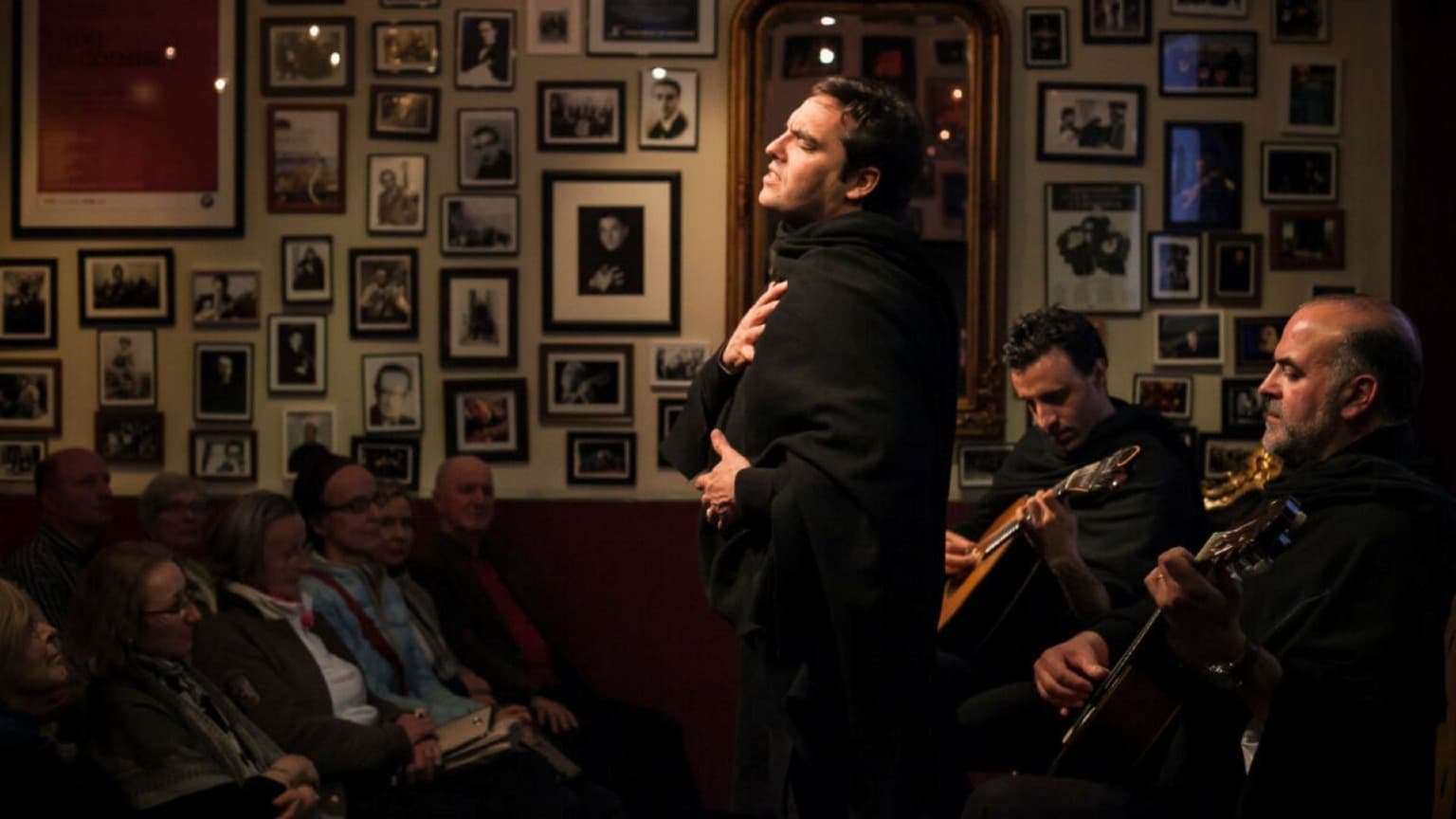
A Fado de Coimbra performance at Fado ao Centro, where the city's musical tradition remains closely connected with university culture.
Experience Coimbra Beyond the Monuments
After visiting the university, cathedrals and monasteries, leave some time simply to experience Coimbra as a city. With its cafés, student houses, university traditions and lively streets, Coimbra is also a city best understood through its everyday student life.
Start the morning at the Mercado Municipal D. Pedro V, one of Coimbra's traditional markets, where fresh produce and other local products bring a more everyday rhythm to the city.
From there, wander through the medieval streets towards Praça do Comércio and Rua Ferreira Borges, stop for coffee in Baixa, or climb slowly towards the upper city without worrying about reaching another major attraction.
Closer to the river, Largo da Portagem forms one of the principal gateways into Baixa and a natural starting or finishing point for exploring Rua Ferreira Borges, the historic commercial streets and the medieval city above.
Later in the day, follow the Mondego through Parque Manuel Braga, cross towards Parque Verde, or simply sit beside the river and look back towards the university rising above the historic centre.
💡 Traveller's tip: Visit the Municipal Market in the morning, when there is more activity, and save the riverfront for later in the afternoon. Coimbra feels very different when you give yourself time between its monuments rather than moving directly from attraction to attraction.
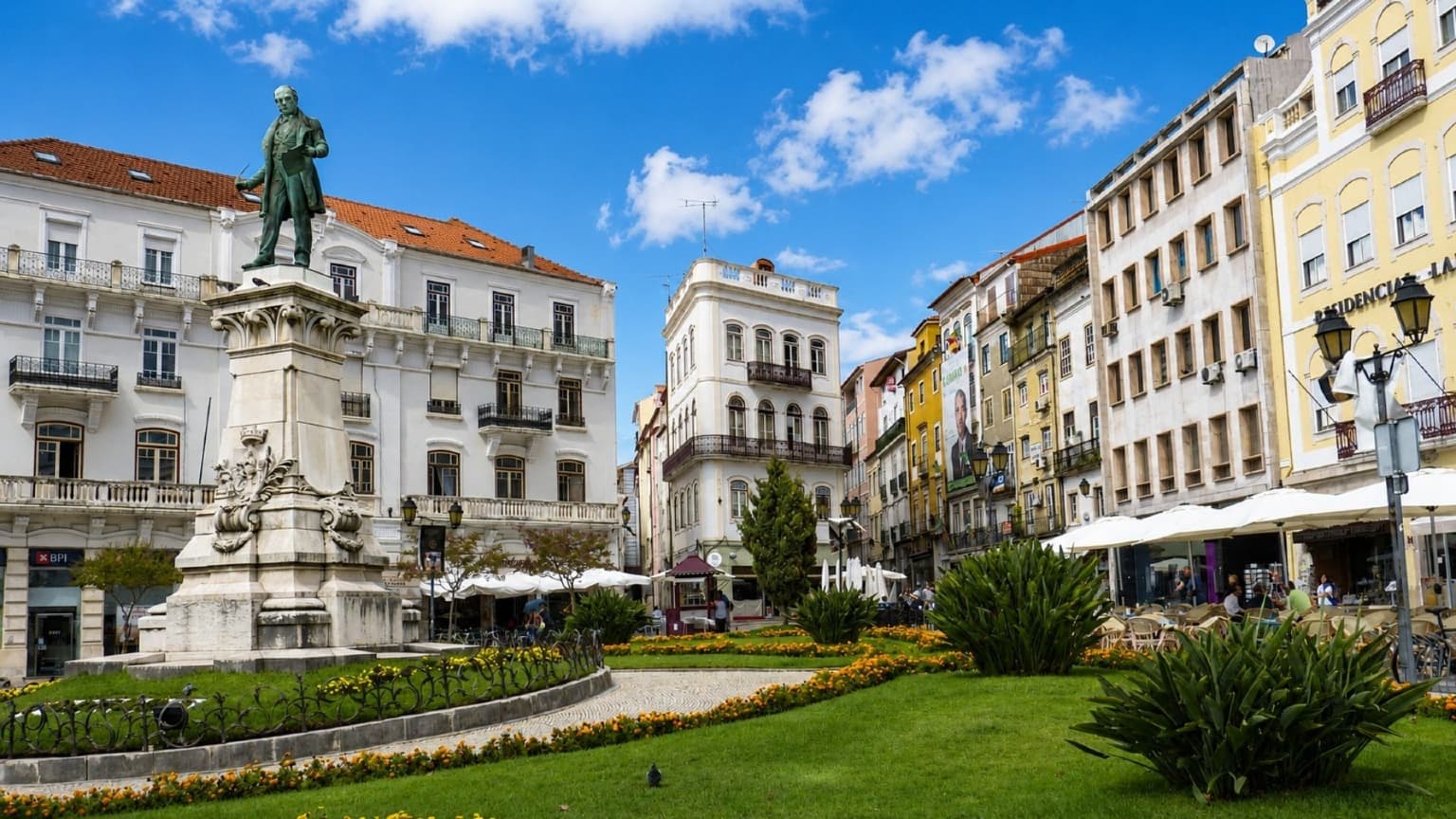
Largo da Portagem is one of the principal gateways to Coimbra's Baixa and historic commercial streets.
How Many Days Do You Need in Coimbra?
One day in Coimbra is enough to see the city's essential highlights. Focus on the University of Coimbra, Sé Velha, the medieval streets between Alta and Baixa, Santa Cruz Monastery and the historic centre. If possible, stay into the evening to experience Coimbra Fado.
Two days in Coimbra allow for a much more complete visit. Add the Machado de Castro Museum, Santa Clara-a-Velha and Santa Clara-a-Nova, Quinta das Lágrimas and time along the Mondego River, while exploring the city at a more relaxed pace.
Three days or more give you time to use Coimbra as a base for exploring Central Portugal, with possible day trips to Conímbriga, Serra da Lousã and the Schist Villages, Bussaco or Figueira da Foz.
💡 Our recommendation: If your Portugal itinerary allows it, spend at least one night in Coimbra. The city becomes quieter after many day visitors leave, and staying overnight gives you the opportunity to experience its evening atmosphere and Fado tradition.
When Is the Best Time to Visit Coimbra?
Spring and autumn are among the best times to visit Coimbra, with generally pleasant temperatures for walking and fewer extremes than the height of summer. Spring also brings one of the city's most important academic celebrations, Queima das Fitas, traditionally held in May.
Summer offers long days but can be hot, particularly when climbing between Baixa and the university. Winter is quieter and can be rewarding for museums, monuments and Fado, although rain is more likely.
💡 Planning around university traditions? Academic events such as Queima das Fitas can make Coimbra particularly atmospheric, but they can also increase demand for accommodation. Book ahead if your visit coincides with major student celebrations.
Where to Eat in Coimbra
Coimbra's food scene combines deeply rooted Portuguese traditions with a growing contemporary approach to regional cuisine. From iconic local tascas to creative menus and relaxed spots for sharing petiscos, these restaurants offer different ways to experience the city.
Zé Manel dos Ossos
One of Coimbra's most iconic traditional tascas, tucked away in the historic centre and known for its intimate atmosphere and hearty Portuguese cooking. Its famous ossos and other traditional dishes make it a memorable choice for travellers looking for an informal local experience.
O Palco
Led by chef Marco Almeida, O Palco combines creative cuisine with a strong connection to local producers and the flavours of Central Portugal. Its focus on seasonal ingredients and carefully sourced regional products makes it a compelling choice for travellers looking for a more refined gastronomic experience.
Dux Petiscos e Vinhos
A relaxed restaurant centred around Portuguese petiscos and wine, with a selection of plates designed for sharing. Its informal atmosphere and approachable style make it a good option for discovering Portuguese flavours over a leisurely meal.
Passaporte
Located close to Coimbra's historic centre, Passaporte combines a restaurant and cocktail bar with views towards the Mondego River. Its lively atmosphere and food-and-drinks offering make it a good choice for travellers looking to enjoy dinner followed by drinks.
Xisto (worth the detour)
Around 30 minutes from Coimbra, in the Penela area, Xisto is a worthwhile option for travellers exploring the surrounding region. Its location also provides an opportunity to combine a meal with the natural and cultural landscapes of Central Portugal.
Visiting Coimbra from Porto
Coimbra is easily accessible from Porto by train or car, making it a rewarding day trip for travellers exploring Central Portugal. The city can also be combined with Aveiro, allowing visitors to experience two very different sides of the region in a single journey.
For travellers interested in history and culture, Coimbra offers much more than its famous university. Its medieval streets, centuries-old academic traditions, connection to Portuguese royalty and distinctive Fado tradition reveal a city deeply connected to the country's history.
While Coimbra can be visited independently, a locally guided experience can add valuable context to its monuments, legends and cultural heritage. Combining Coimbra with Aveiro also makes it possible to discover the contrast between the historic university city and Aveiro's canals, colourful moliceiro boats and famous ovos moles.
👉 Want to visit Coimbra from Porto? Our Private Aveiro & Coimbra Tour combines a full day of private guiding with Coimbra's historic centre and University, a traditional Portuguese lunch and a scenic boat tour through Aveiro's canals, offering a comfortable and personalised way to experience both cities in one day.
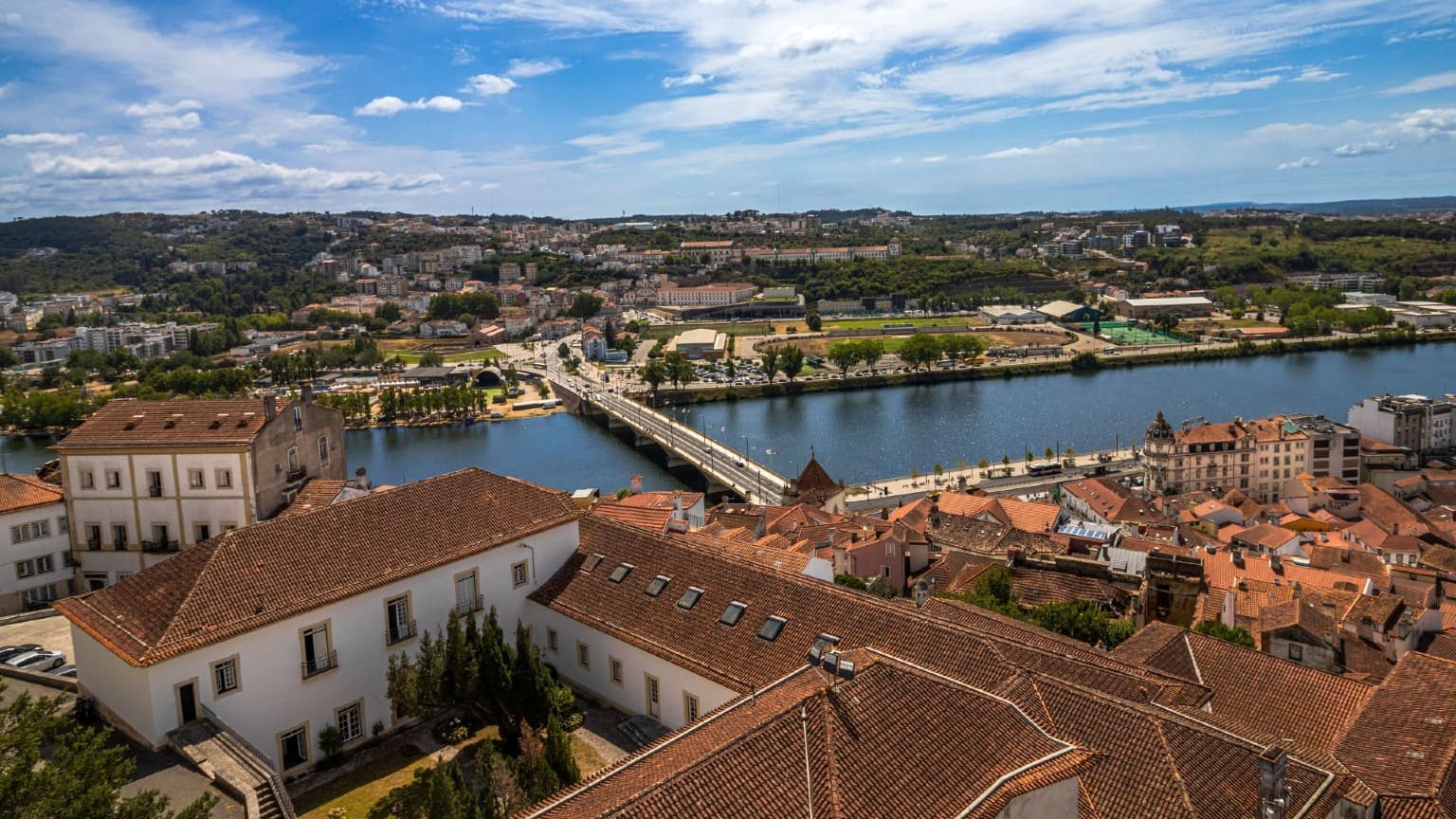
The Mondego River is an essential part of Coimbra's landscape, connecting the historic city with the neighbourhoods and landmarks on both sides of the river.
Beyond Coimbra: Best Day Trips & Places Nearby
Coimbra's central location makes it an excellent base for discovering some of the historical sites, mountains, forests and Atlantic landscapes of Central Portugal.
Conímbriga
About 20 minutes south of Coimbra by car, Conímbriga is one of Portugal's most important Roman archaeological sites.
Its remarkably preserved mosaics and remains of houses, baths and public buildings provide a fascinating introduction to Roman Portugal and make Conímbriga a natural extension of the Roman history encountered beneath the Museu Nacional Machado de Castro.
Schist Villages & Serra de Lousã
Central Portugal is home to 28 Schist Villages (Aldeias do Xisto), historic communities spread across mountain and river landscapes between Coimbra and Castelo Branco.
From Coimbra, the villages around the Serra da Lousã are among the most rewarding to explore, combining mountain scenery, walking trails and traditional rural heritage. Talasnal, Cerdeira, Candal, Gondramaz and Casal de São Simão are some of the best-known villages to discover.
Bussaco Forest
North of Coimbra, Bussaco Forest combines centuries-old woodland with religious and architectural heritage.
Its walking paths and unusual landscape make it an appealing day trip for travellers looking for nature without travelling far from Coimbra.
Figueira da Foz
Follow the Mondego west and eventually the river reaches the Atlantic at Figueira da Foz.
Known for its expansive beaches, Figueira da Foz provides a complete contrast with Coimbra's historic streets and is an easy option for travellers wanting to combine the university city with time by the ocean.
💡 Have an extra day? Choose Conímbriga for Roman history, Serra da Lousã for nature and traditional villages, Bussaco for forests and heritage, or Figueira da Foz for the Atlantic coast. Each reveals a very different side of Central Portugal.
👉 Planning to explore more of the region? Discover our Central Portugal Travel Guide for more ideas on places to visit, landscapes, historic towns and experiences beyond Coimbra.
Frequently Asked Questions About Visiting Coimbra
Written by the Cooltour Oporto team