Why Is Porto Called Cidade Invicta? The Story of the Unvanquished City
November 11, 2026
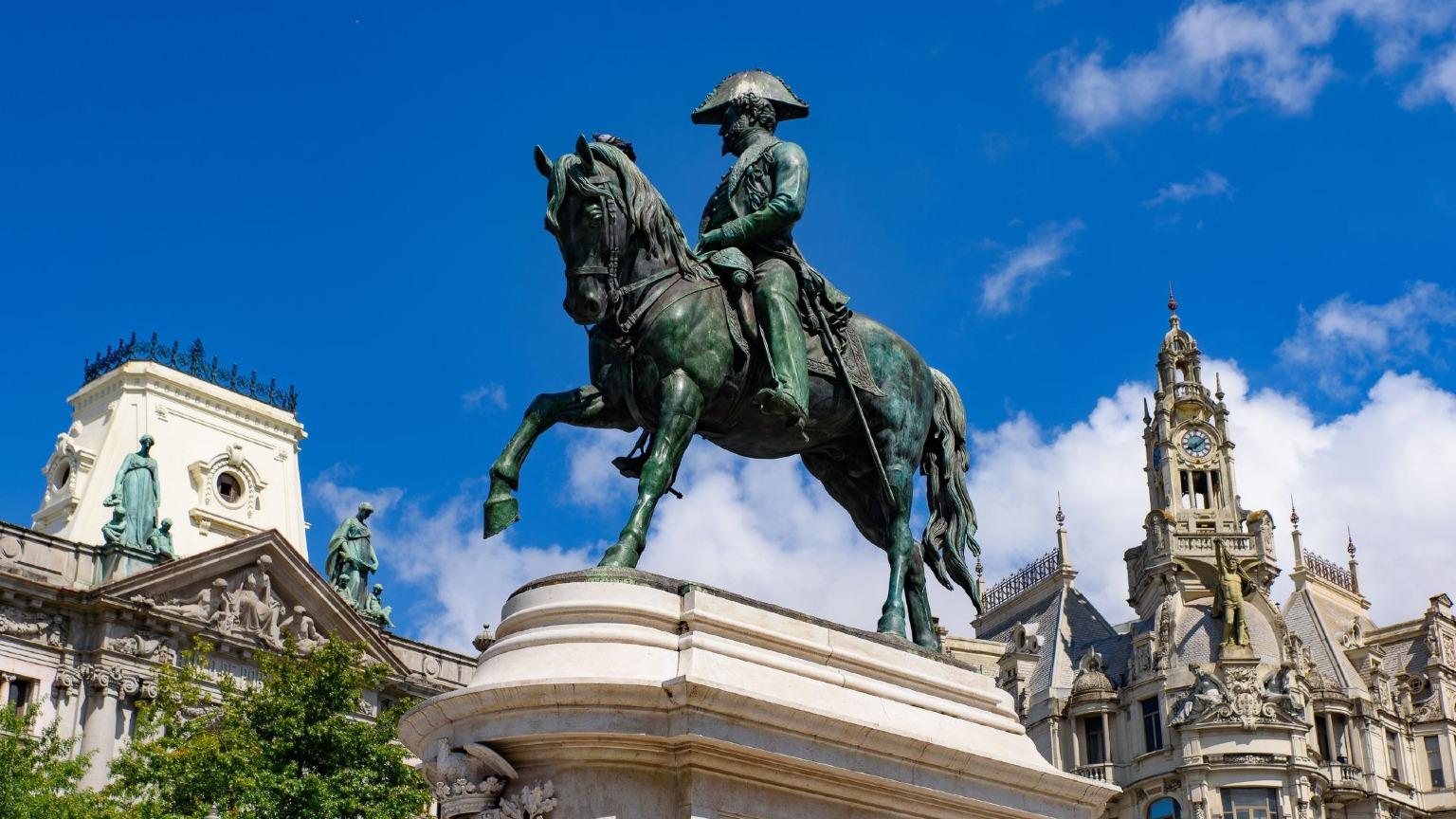
The equestrian statue of Pedro IV in Praça da Liberdade, inaugurated in 1866, honours the king who led the liberal cause and left his heart to Porto.
Porto is called Cidade Invicta, the Unvanquished City, because it withstood the Siege of Porto during Portugal's Liberal Wars, from July 1832 to August 1833. Queen Maria II later added Invicta to the city's historic titles.
But the name tells a story that goes far beyond a military victory. For more than a year, Porto's inhabitants endured bombardments, disease and shortages while defending the constitutional cause. The city was never conquered.
Behind that resistance lies a conflict between two royal brothers, a city caught in the middle, and a king whose final wish was to leave his heart to the people of Porto.
At a Glance
• What it means: Invicta is Latin in origin and means unvanquished, or unconquered.
• Full title: Antiga, Mui Nobre, Sempre Leal e Invicta Cidade do Porto (Ancient, Very Noble, Always Loyal and Unvanquished City of Porto).
• The event behind it: the Siege of Porto, July 1832 to August 1833, during the Liberal Wars.
• Who granted the title: Queen Maria II, in recognition of Porto's resistance during the Liberal Wars.
• Where to follow the story: Igreja da Lapa, Praça da Liberdade, Porto Cathedral, Ribeira and Serra do Pilar.
The Siege of Porto: A City That Refused to Surrender
To understand why Porto became known as Invicta, we need to return to the 1830s, when Portugal was divided by a civil war.
On one side were the liberals, who defended a constitutional monarchy in which royal power was limited by a constitution. On the other were the absolutists, who supported a monarchy with far greater powers concentrated in the king.
The conflict was also a struggle within the royal family.
Pedro IV, who had previously ruled Brazil as its first emperor, supported the constitutional cause and the rights of his daughter, Maria II, to the Portuguese throne. His younger brother, Miguel, had taken power and restored absolutist rule.
In July 1832, Pedro's liberal army landed near Mindelo, north of Porto. On 9 July, the troops entered the city, which soon became the main centre of liberal resistance.
The absolutist forces surrounded Porto, beginning a siege that would last until August 1833.
For the people living inside the city, those months were exceptionally difficult. Artillery attacks damaged buildings and supplies became scarce. Daily life was overshadowed by the constant threat of violence, yet the city kept resisting.
The liberals defended the city and maintained a crucial position at Serra do Pilar, on the opposite bank of the Douro River. Despite repeated attacks, the absolutist army failed to capture Porto.
In the summer of 1833, liberal military successes elsewhere in Portugal changed the course of the war. The besieging forces eventually withdrew in August.
After more than a year of suffering and resistance, Porto remained in liberal hands.
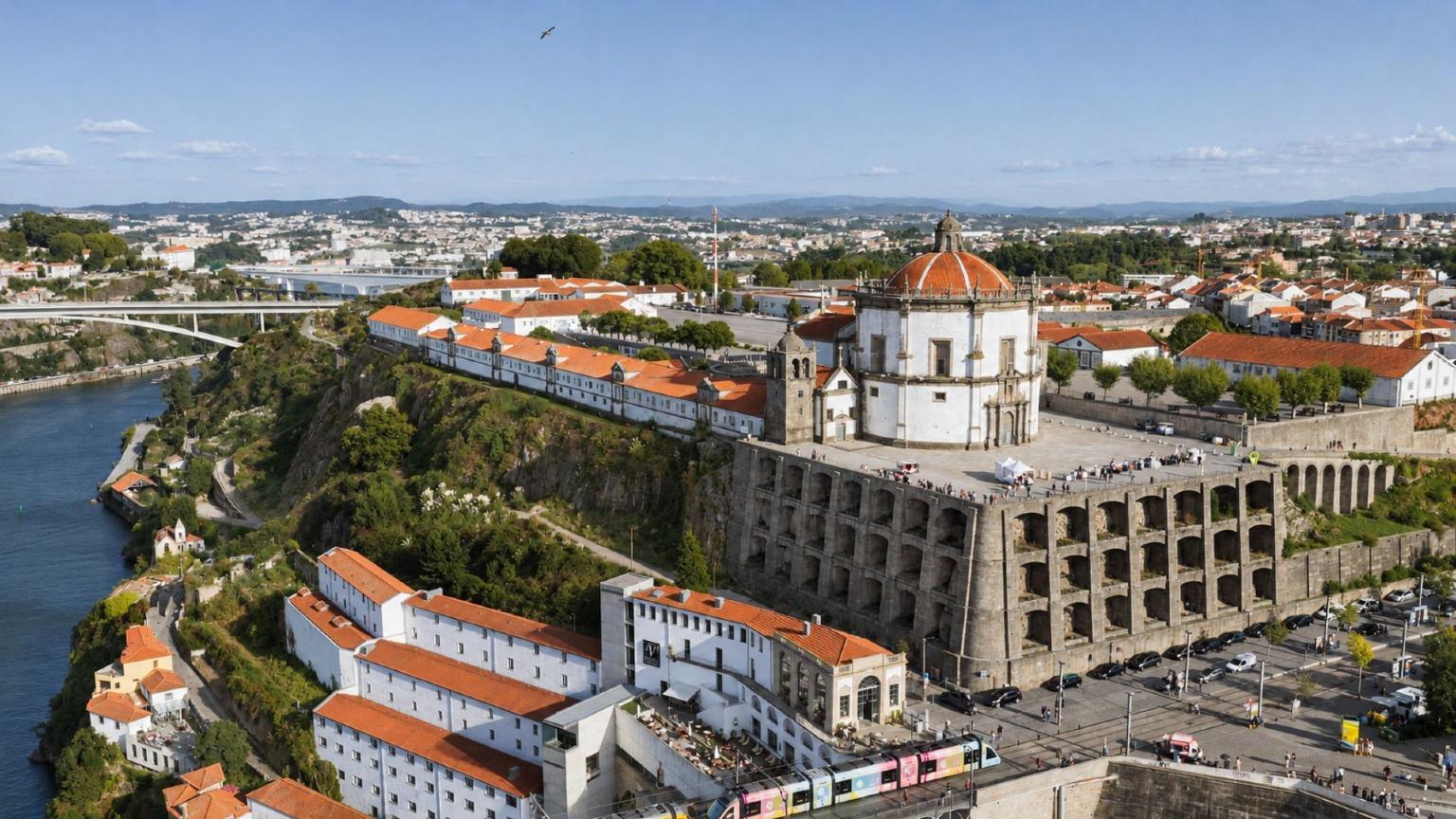
Serra do Pilar was a strategic position for liberal forces defending Porto during the siege of 1832–1833.
Why Did Porto Receive the Title Cidade Invicta?
The word Invicta comes from Latin and means unconquered or unvanquished.
Porto already held several historic titles, reflecting the importance and loyalty attributed to the city over the centuries.
Following its resistance during the Liberal Wars, Queen Maria II added the title Invicta, recognising the role Porto and its inhabitants had played in defending the constitutional cause.
The city's traditional designation became:
Antiga, Mui Nobre, Sempre Leal e Invicta Cidade do Porto
In English, this can be translated as Ancient, Very Noble, Always Loyal and Unvanquished City of Porto.
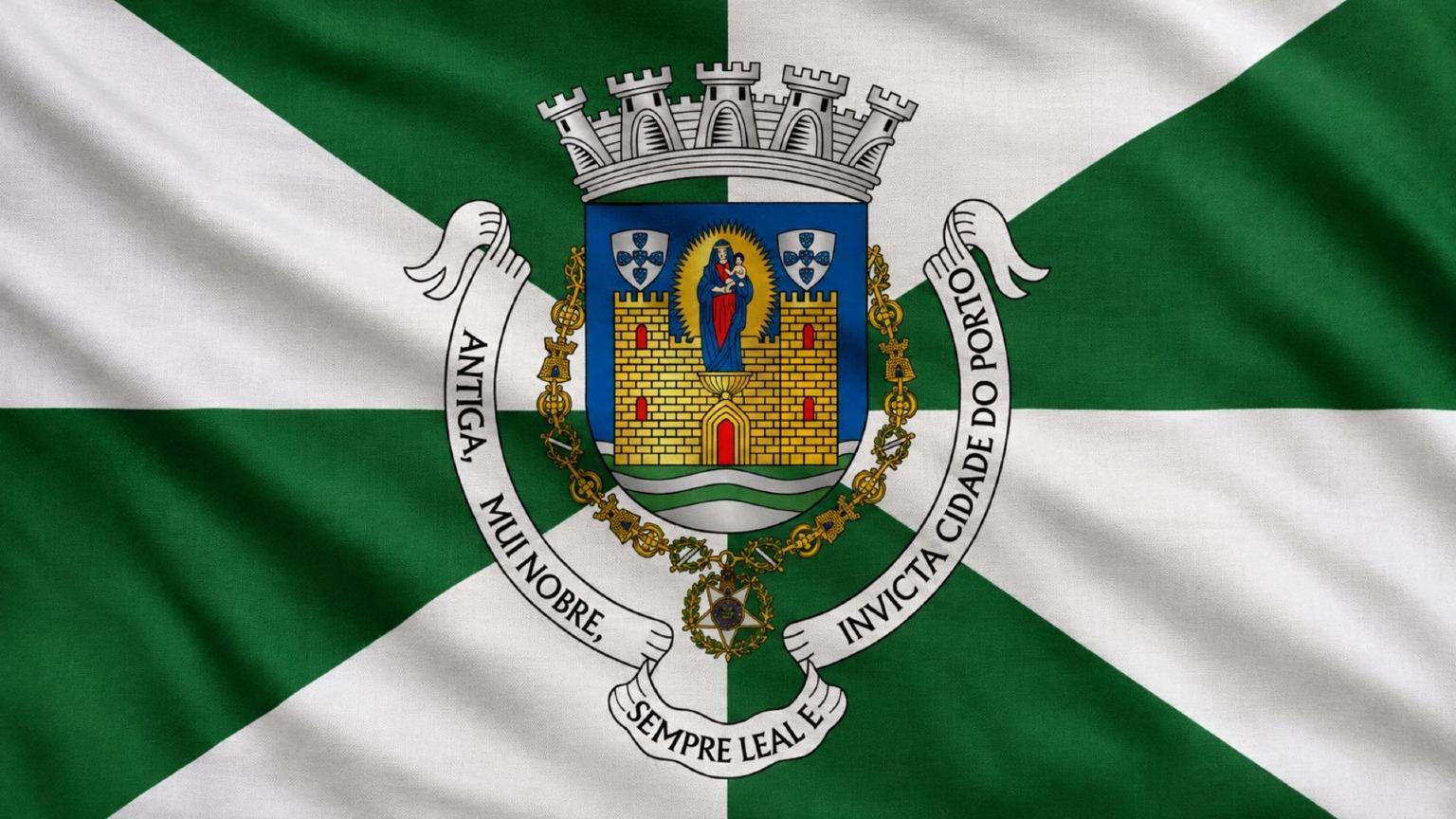
Porto’s municipal flag displays the city’s coat of arms and its historic title, "Antiga, Mui Nobre, Sempre Leal e Invicta Cidade do Porto".
Today, most people simply call it Cidade Invicta.
The title is a source of local pride, and it also recalls the sacrifices of the people who lived through the siege.
That connection is clearest in Pedro IV's final wish.
Pedro IV: The King Who Left His Heart to Porto
The former king of Portugal, who was also Brazil's first emperor, developed a deep attachment to the city during the Liberal Wars.
He spent several months in Porto, directing the liberal campaign and witnessing the difficulties endured by its inhabitants. During this period, he also attended services at Igreja da Lapa.
When Pedro died in September 1834, he left an extraordinary final wish: his heart was to be given to Porto, in gratitude for the loyalty and courage of its people.
The following year, in February 1835, his heart arrived in the city and was received with a solemn procession.
It was entrusted to Igreja da Lapa, where a mausoleum was later built at the expense of Porto's municipal authorities and completed in the late 1830s.
Almost two centuries later, Pedro IV's heart remains in the church.
It is normally kept in a sealed urn and is not part of the regular visitor experience, although it has occasionally been displayed to the public during special commemorations.
A golden heart also appears at the centre of the city's coat of arms, widely understood as a tribute to Pedro IV.
A king entrusted his heart to a city, and the city made that heart part of its identity.
Where Can You Discover the History of Cidade Invicta in Porto?
Porto's history remains visible in its streets. You can start discovering the story of Cidade Invicta just by walking through the city. Several places connected with the Liberal Wars are part of the city visitors explore today.
• Igreja da Lapa: Where Pedro IV's Heart Is Kept
A little north of Porto's historic centre stands Igreja da Lapa, the church that preserves Pedro IV's heart.
The king attended religious services here during his time in Porto, and the church later became the resting place of his most unusual legacy.
Although the heart itself is not normally on display, the church and its mausoleum remain important places for understanding Porto's connection with Pedro IV.
• Praça da Liberdade: A Monument with a Story
In the heart of Porto, at the southern end of Avenida dos Aliados, stands the equestrian statue of Pedro IV, inaugurated in 1866.
It is one of the city's most recognisable monuments, but many visitors walk past without looking closely at its details.
The king is depicted holding the Constitutional Charter, a reminder of the political cause he defended.
Look at the pedestal, too. Its reliefs recall important moments in Pedro's relationship with Porto, including his landing at Mindelo and the delivery of his heart to the city.
It is a small detail that makes the monument much more meaningful once you know the story.
• Porto Cathedral and the Historic Centre
Porto Cathedral stands above some of the city's oldest streets, overlooking the Douro and Vila Nova de Gaia.
Although the Cathedral is not primarily a monument to the Liberal Wars, it offers a useful perspective on the city that endured the siege. Porto's municipal authorities had considered keeping Pedro IV's heart here, but Igreja da Lapa was ultimately chosen.
From the surrounding terraces, it is easier to appreciate Porto's geography: the steep streets, the river below and the hills across the Douro.
Discover more about the building and its history in our guide to Porto Cathedral.
• Ribeira: Where the King's Heart Arrived
In February 1835, Pedro IV's heart arrived in Porto by ship.
It was received at the riverside before being taken through the city to Igreja da Lapa.
Today, Ribeira is one of Porto's most lively and photographed neighbourhoods, with colourful façades, narrow streets and views across the Douro.
Knowing that this was also the setting for such an unusual historical moment adds another layer to the experience.
Explore its history and landmarks in our guide to Porto's Ribeira.
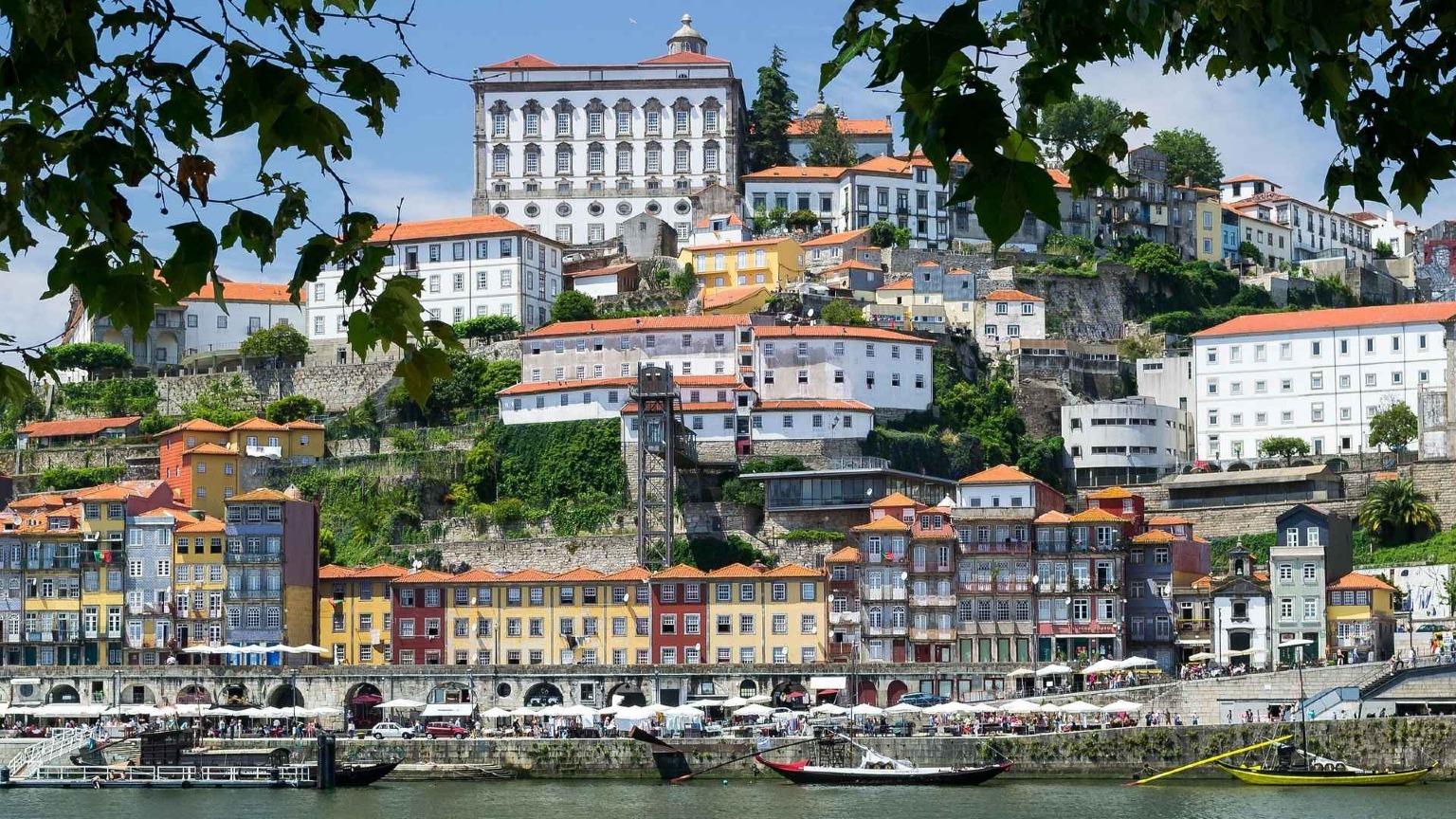
Porto's Ribeira waterfront, where Pedro IV's heart was received in February 1835 before being taken through the city.
• Soares dos Reis National Museum: Pedro IV's First Headquarters
The museum occupies Carrancas Palace, where Pedro IV initially established his headquarters during the siege. As the bombardment intensified, he moved to a house on Rua de Cedofeita. Today, the palace is home to one of Portugal's most important art museums.
• Serra do Pilar: A View Over the City That Resisted
Across the Douro, in Vila Nova de Gaia, the hill of Serra do Pilar played an important role during the siege.
The former monastery was part of a strategic liberal position, helping the defenders maintain a foothold on the southern bank of the river.
Today, the area is better known for its panoramic views over Porto, the Luís I Bridge and the historic riverside.
It is one of the best places to appreciate the geography of the city and imagine how important the river and surrounding hills were during the conflict.
Exploring the Story on Foot
If you enjoy discovering a city through its history, several of these places can be connected in a walk.
Begin at Igreja da Lapa, where Pedro IV's heart is kept, before heading towards Praça da Liberdade to see his equestrian monument.
If you have more time, consider a detour to the Soares dos Reis National Museum, housed in the palace Pedro IV initially used as his headquarters.
From Praça da Liberdade, continue through the historic centre to Porto Cathedral, taking time to enjoy the views over the Douro.
From the Cathedral, head towards the upper deck of the Luís I Bridge and cross into Vila Nova de Gaia. From there, continue to Serra do Pilar for a panoramic view of Porto and its historic defences.
Finish by returning towards the riverside and exploring Ribeira, the neighbourhood where Pedro's heart was received in 1835.
Allow around half a day if you want to explore at a relaxed pace. Porto is a city of hills and steep streets, so comfortable shoes are a good idea.
Discover Porto with a Local Guide
Behind Porto's monuments and streets are stories that are easy to miss without a guide.
On our Private Porto Walking Tour, you can discover the city's heritage, traditions and lesser-known details with a local guide who knows Porto beyond its most famous landmarks.
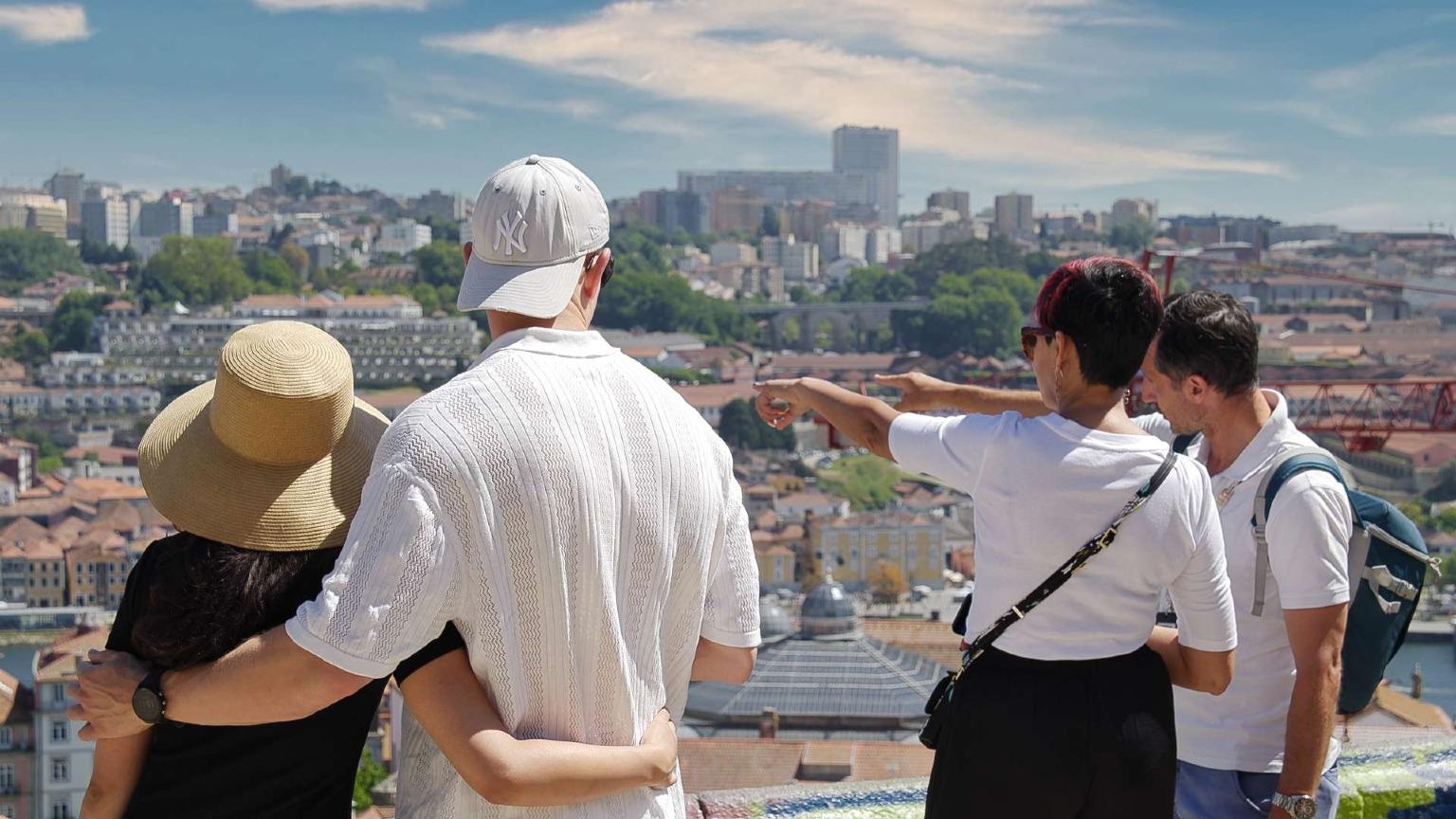
Discover Porto's history, monuments and local stories with a knowledgeable guide on a private walking tour.
A Title That Still Defines Porto
Nearly two centuries after the siege, Cidade Invicta remains one of Porto's most recognisable names.
You will encounter it in local expressions, cultural references and symbols throughout the city.
Behind those seven letters is a story of people who endured an extraordinary period of hardship and helped shape Portugal's future.
Porto's identity comes from more than its monuments, trade and wine. It also comes from the determination of its people.
Continue Discovering Porto and Portugal
Curious about the stories behind other Portuguese places and traditions? Discover where the name Portugal comes from, browse our tours in Porto, or explore our Travel Guides for more inspiration for your next trip.
Frequently Asked Questions
Written by Gonçalo Castanho, founder of Cooltour Oporto and a Porto-based tourism entrepreneur with over 20 years of experience creating immersive and responsible travel experiences across Portugal.