Where Does the Name “Portugal” Come From?
October 28, 2026
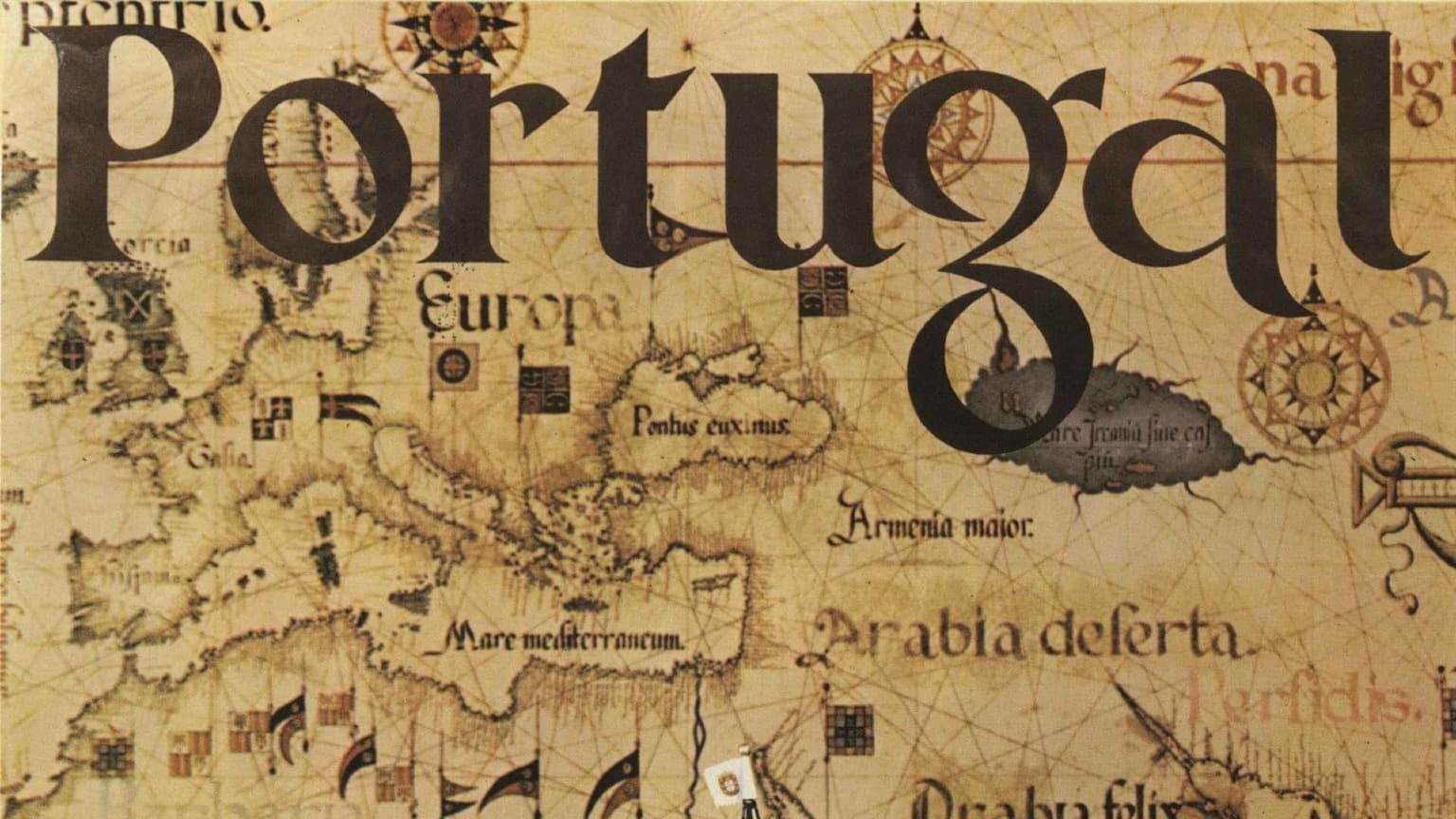
The name Portugal evolved from Portucale, a historical name associated with the area around the mouth of the Douro River.
The answer begins in Porto. Few countries have a name so closely tied to the history of a city. Portugal is one of them. And that story has its roots on the banks of the Douro River, where Porto and Vila Nova de Gaia stand today.
Portus + Cale: The Port of Cale
In Roman times, near the mouth of the Douro River, there was a settlement called Cale, mentioned in ancient geographical sources. Its exact location on either bank is uncertain. There may have been settlements on both sides of the river.
There was a port on the Douro (portus in Latin) that gave rise to the name Portucale, generally interpreted as the port of Cale. Over the centuries, both banks played a part in port activity. The name of the city of Porto also comes from the word portus.
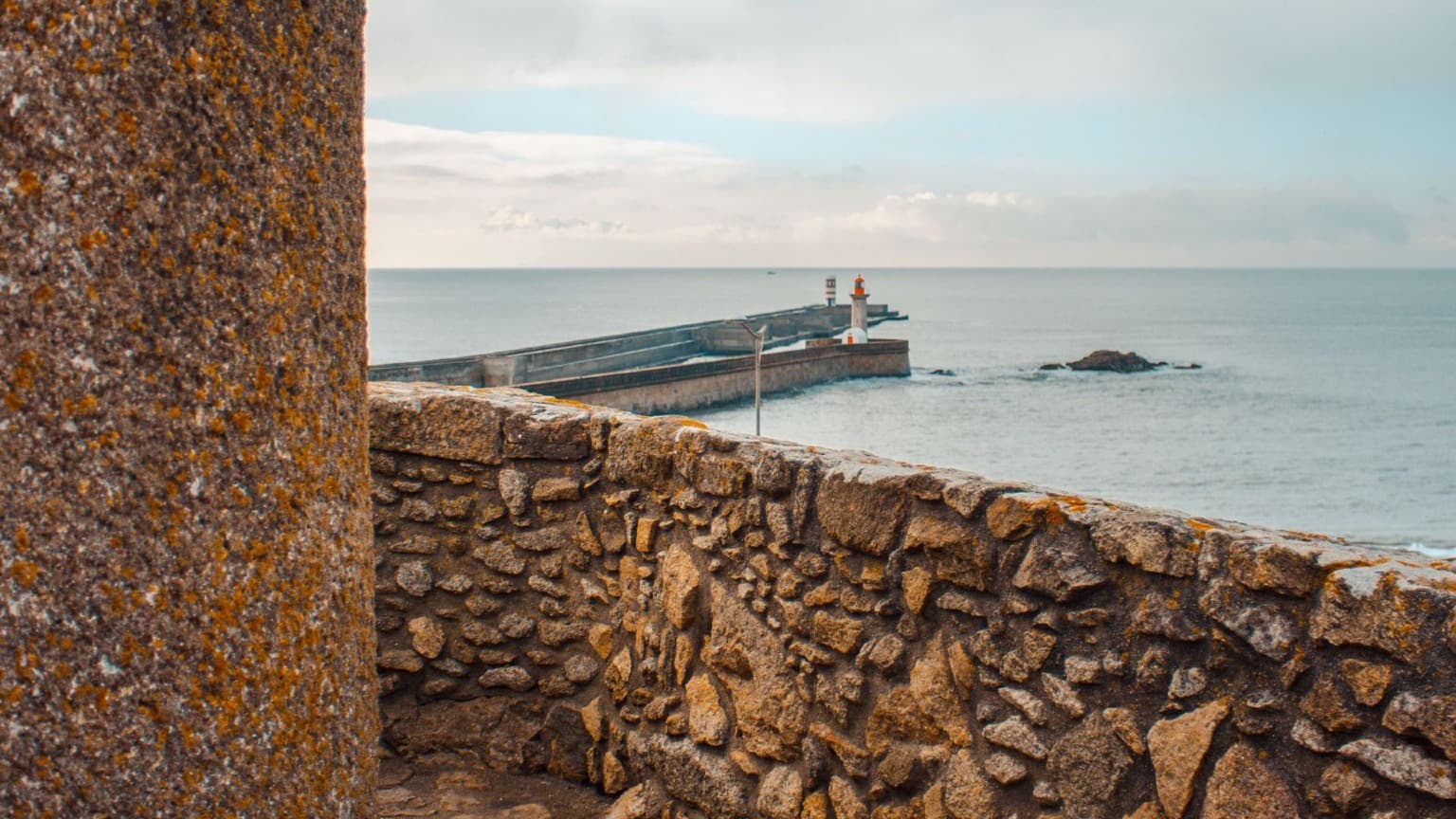
Over the centuries, the mouth of the Douro River connected the territory of Portucale with the Atlantic.
And What Does “Cale” Mean?
Here, the story becomes more mysterious: nobody knows for certain.
One hypothesis links Cale to the Callaeci, an ancient people of the northwestern Iberian Peninsula. Their name is also associated with the Roman Gallaecia, from which the name Galicia derives. But the exact relationship between these names remains a subject of debate among historians.
Another hypothesis suggests that Cale may have given rise to the name Gaia, on the southern bank of the Douro. This explanation has a long tradition, but it is not universally accepted.
There is also a popular theory connecting Cale to the Greek word kalós, meaning “beautiful”. It sounds appealing, but there is no convincing historical or linguistic evidence to support it.
From a Port to a Country
How did the name of a settlement beside the Douro become the name of an entire country? The answer lies in the growing importance of Portucale over the centuries:
• 5th century: the chronicler Hydatius already mentions a place called Portucale.
• 6th century: under the Suebi, Portucale becomes the seat of a diocese.
• 868: Vímara Peres takes control of Portucale, giving rise to the first County of Portucale.
• 1096: Henry of Burgundy is granted rule over the territory that became known as the second County of Portucale.
• 12th century: Afonso Henriques, son of Henry of Burgundy, establishes himself as Portugal’s first king, in a process marked by the Battle of Ourique (1139) and the Treaty of Zamora (1143).
In other words, by the time Afonso Henriques became king, the name Portucale had already been documented for more than six centuries.
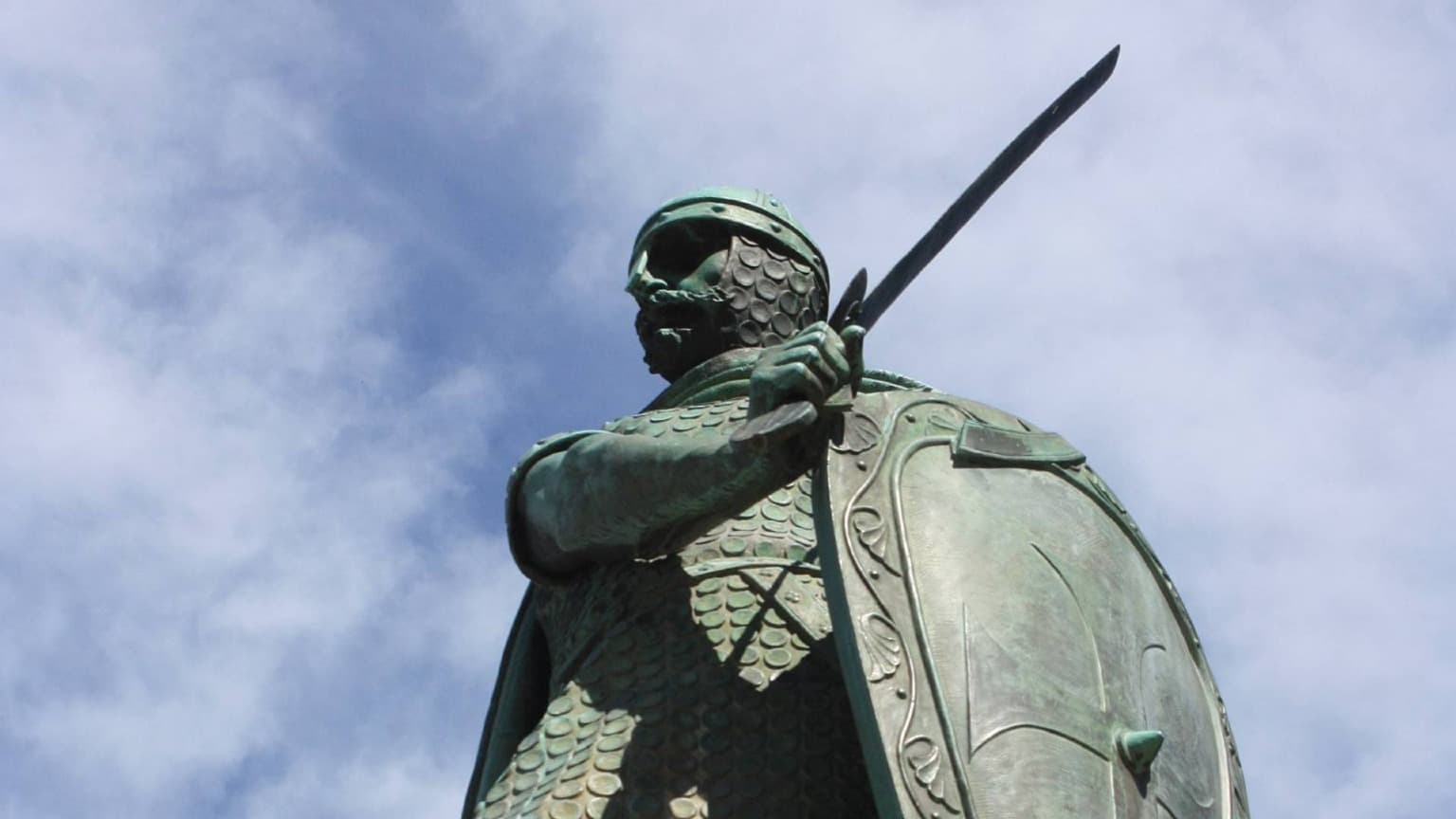
Afonso Henriques became Portugal’s first king in the 12th century, when the name Portucale already had a long history.
The Name Made Its Own Journey
Over the centuries, pronunciation and spelling changed, as happened with so many other words. The c between vowels became a g, and the final e disappeared.
In simplified terms, we can represent this evolution as follows: Portucale → Portugale → Portugal
And What About the Holy Grail?
You may have heard the claim that Portugal means “Port of the Grail”. It is an appealing story, but it has no historical or linguistic foundation. The name Portucale existed several centuries before the first medieval stories about the Holy Grail.
The true origin of the name is fascinating enough without the need for legends.
Come and Discover Where It All Began
Climb up to Porto Cathedral (Morro da Sé), one of Porto’s oldest inhabited areas, or head down to Ribeira and look across the river towards Vila Nova de Gaia.
You’ll be standing where the name of a country was born. It is a story spanning centuries, and one we love sharing on our walking tours of Porto.
👉 Want to explore the places where this story began? Discover Porto Cathedral, Ribeira and other landmarks on our Private Porto Walking Tour, accompanied by a local guide who shares the city’s history and fascinating stories.
👉 Curious about the rest of Portugal? From Porto’s history to the traditions of other regions, there is so much more to explore. Browse our Travel Guides for stories, places and ideas to inspire your next trip.
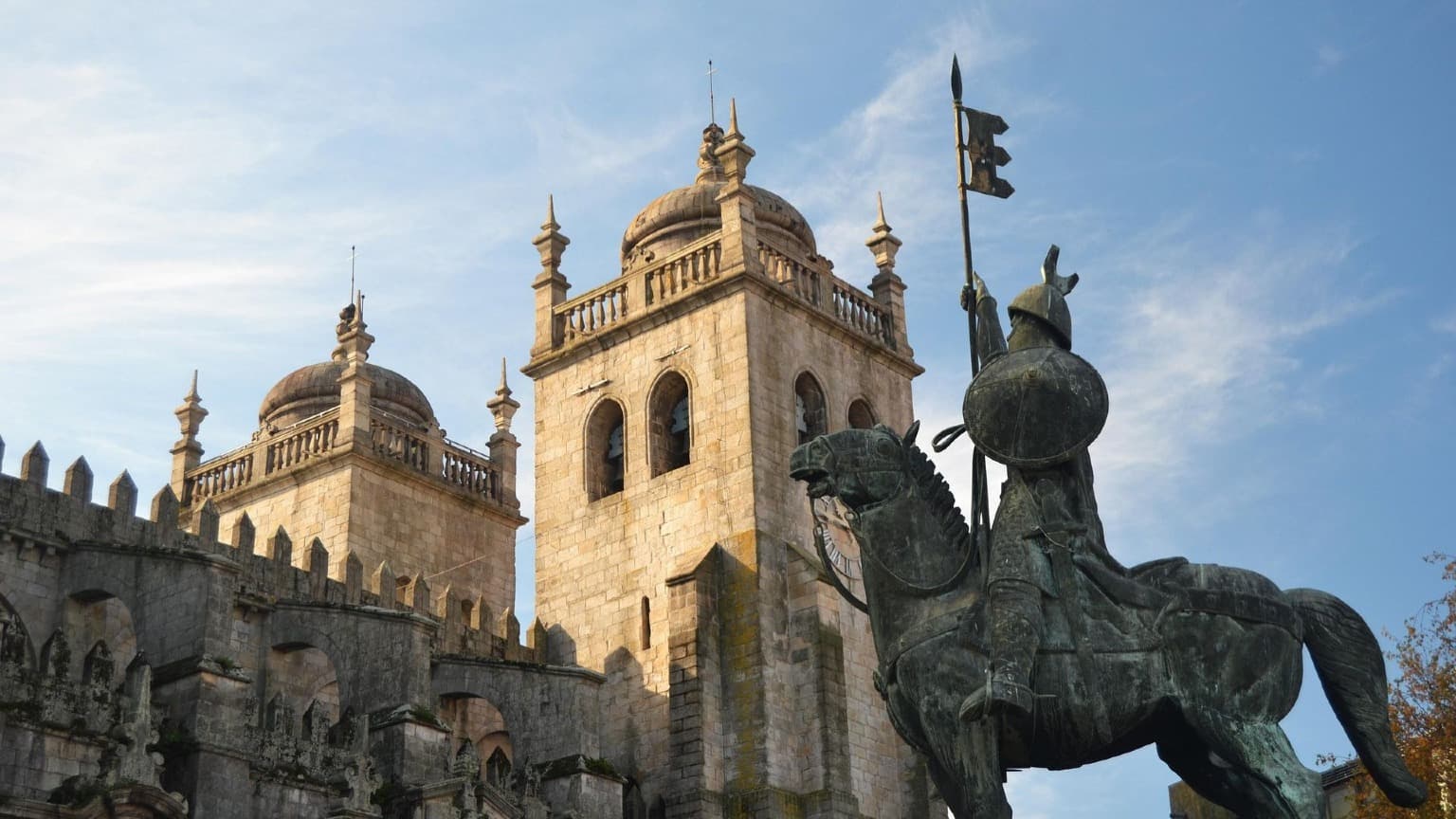
Near Porto Cathedral, the statue of Vímara Peres commemorates the taking of Portucale in 868 and the first County of Portugal.
Frequently Asked Questions
Written by Gonçalo Castanho, founder of Cooltour Oporto and a Porto-based tourism entrepreneur with over 20 years of experience creating immersive and responsible travel experiences across Portugal.