Port and Douro Wines Institute (IVDP)
November 18, 2026
Port and Douro Wines Institute (IVDP): History, Certification and the Douro Valley
The Port and Douro Wines Institute (IVDP) is the Portuguese public institution responsible for certifying, protecting, controlling and promoting Port and Douro wines.
The Port and Douro Wines Institute (IVDP), officially known as the Instituto dos Vinhos do Douro e do Porto, I.P., is the Portuguese public institution responsible for certifying, controlling, protecting and promoting Port and Douro wines. Its institutional history began in 1933 with the creation of the Port Wine Institute (IVP), but the system of protecting the Douro's wines dates back to 1756, when the region was first demarcated.
Behind every certified bottle of Port wine lies a history of trade, changing regulations and generations of winegrowers who helped shape the Douro Valley.
Today, the IVDP continues that work, ensuring that wines bearing the protected names Porto and Douro meet the requirements associated with their origin and quality. Its history connects the vineyards of the Douro Valley with the merchants of Porto and Vila Nova de Gaia.
At a Glance: The IVDP
• Official name: Instituto dos Vinhos do Douro e do Porto, I.P. (IVDP).
• Original institution: Instituto do Vinho do Porto (IVP), founded in 1933.
• Modern IVDP: Established in 2003.
• Main responsibilities: Certification, control, protection and promotion of the Porto and Douro protected designations of origin (PDO) and the Duriense protected geographical indication (PGI).
• Headquarters: Peso da Régua, in the Douro Valley, since 1995.
• Porto delegation: Rua Ferreira Borges, 27, in the historic city centre.
• Visitor experience: The Port and Douro Interactive Learning Centre, with exhibitions, wine certification insights and Port wine tastings.
Before the Institute: Why Port Wine Needed Protection
The history of Port wine regulation begins long before the creation of the institute.
Wine production in the Douro Valley stretches back centuries, with evidence of viticulture during Roman times and further development through the medieval period.
By the 17th century, wines from the Douro were gaining importance in international trade. Porto and Vila Nova de Gaia became essential commercial centres, connecting the vineyards of northern Portugal with European markets, above all Britain.
A customs record from 1678 contains one of the earliest known references to wine identified as vinho do Porto. The Methuen Treaty of 1703 subsequently strengthened commercial relations between Portugal and Britain, helping consolidate the importance of Portuguese wines in that market.
Growing demand also encouraged practices that threatened the reputation of Port wine.
During the first half of the 18th century, wines from outside the Douro were sometimes sold as Port. Historical accounts describe adulteration, including the use of elderberries to intensify colour and the blending of wines from different origins.
These practices created uncertainty for buyers and tensions between producers and merchants. Protecting the geographical origin of the wine became increasingly important.
1756: The Demarcation of the Douro Wine Region
On 10 September 1756, during the reign of King José I and under the political leadership of the Marquis of Pombal, the Companhia Geral da Agricultura das Vinhas do Alto Douro was established.
Its creation introduced a new system of regulation intended to protect the origin, production and commercial reputation of Douro wines.
The first geographical demarcations followed between 1757 and 1761. Stone markers, known as marcos pombalinos, were placed to identify the boundaries of the regulated vineyards.
The system also introduced measures concerning wine quality, production and trade.
The IVDP describes this development as the world's first designation of origin, recognising the pioneering combination of a defined geographical area, specific rules and an institution responsible for enforcing them.
Although the regulations of 1756 differed from today's protected designation-of-origin system, they established principles that remain fundamental to the identity of Port wine.
The Douro's historic wine landscape was later recognised by UNESCO in 2001, when the Alto Douro Wine Region was inscribed on the World Heritage List as a living and evolving cultural landscape.
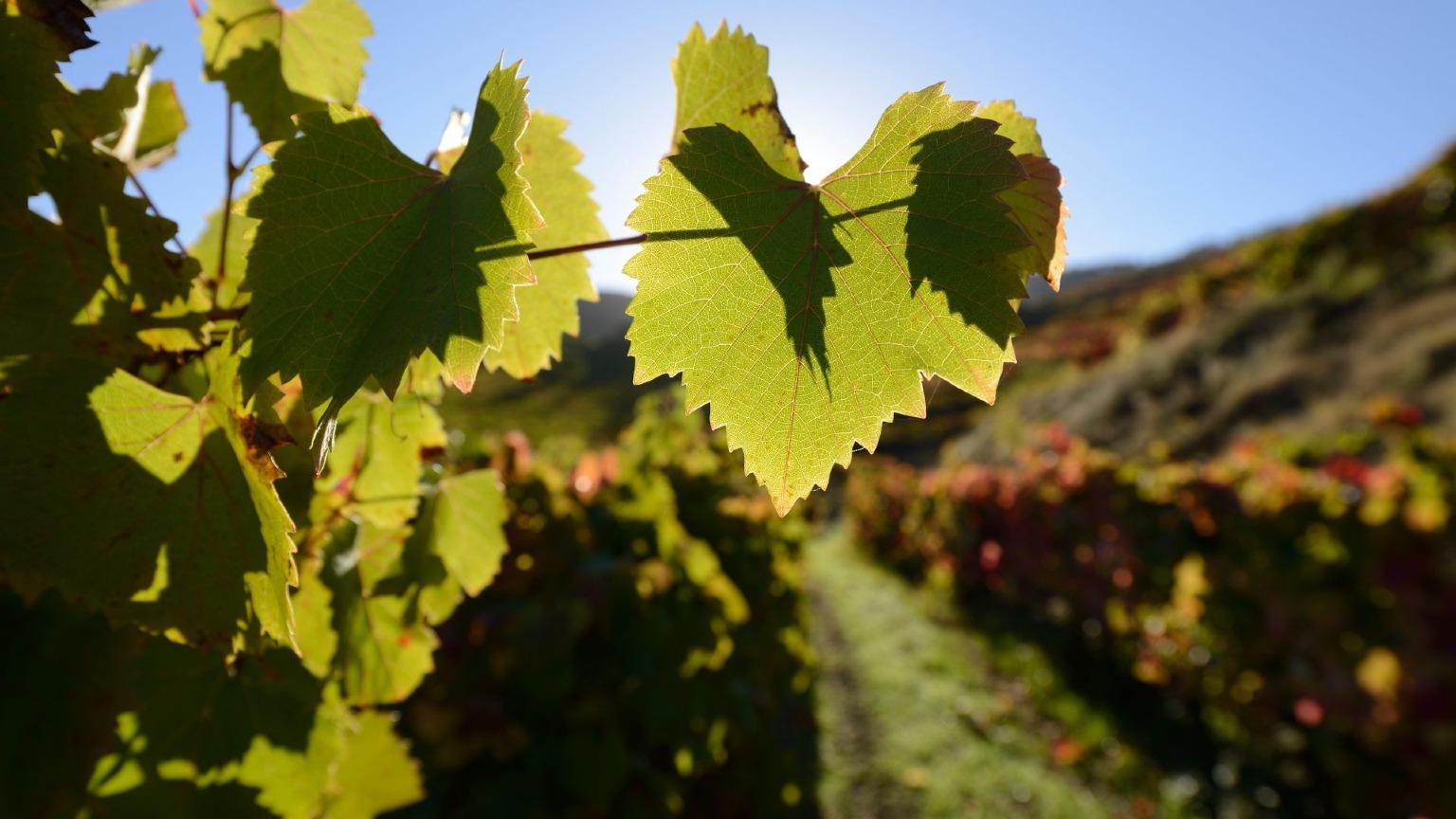
The vineyards of the Douro Valley, where a pioneering system of wine regulation and geographical demarcation was established in 1756.
Political Change, Phylloxera and the Return of Regulation (1820–1926)
The regulatory system created in the 18th century did not remain unchanged.
During the 19th century, political reforms repeatedly altered the powers of the wine institutions, while changing commercial conditions affected the relationship between producers and merchants.
The liberal reforms that followed the revolution of 1820, which began in Porto, gradually dismantled the Pombaline regulatory system. Between 1822 and 1852, the Companhia lost its commercial monopolies and regulatory powers. In 1852, a regulatory commission took over the management of the region. From 1865, the liberalisation of the wine trade left the Douro largely without regulatory controls, creating new challenges that persisted into the early 20th century.
👉 This period of political transformation also saw Porto at the centre of Portugal's Liberal Wars, most notably during the Siege of Porto from 1832 to 1833. The city's resistance during this conflict gave it the title Cidade Invicta, the Unvanquished City. Discover the full story in our article on why Porto is called Cidade Invicta.
Later in the century, the phylloxera epidemic, believed to have first appeared in the Douro in 1863, devastated vineyards across the region, destroying vines, reducing production and affecting communities whose livelihoods depended on wine.
The region eventually recovered through vineyard replanting and changes in cultivation practices, but its economic and institutional challenges continued into the 20th century.
Regulation returned in 1907–1908, when reforms initiated by João Franco's government redefined the boundaries of the Demarcated Douro Region, extending them eastwards into the Douro Superior and reintroducing controls over Port wine production and exports.
In 1926, the establishment of the Vila Nova de Gaia entreposto (wine storage and trading centre) consolidated the city's role as the exclusive location for storing Port wine outside the demarcated region.
1933: The Creation of the Port Wine Institute
By the early 1930s, the Douro wine sector was facing another difficult period.
Falling exports, economic uncertainty and longstanding tensions between winegrowers and merchants led to a reorganisation of the institutions governing Port wine.
In 1932, the Casa do Douro was established to represent the interests of winegrowers.
The following year, the Grémio dos Exportadores do Vinho do Porto was created to represent exporters, alongside the Instituto do Vinho do Porto (IVP), founded in 1933.
The institute was responsible for supervising the sector, controlling the quality and quantity of Port wine and protecting its reputation.
This institutional structure formed part of the corporatist economic system introduced during Portugal's Estado Novo dictatorship.
Although the political framework has since changed, several technical and regulatory developments from this period became important foundations of the modern certification system.
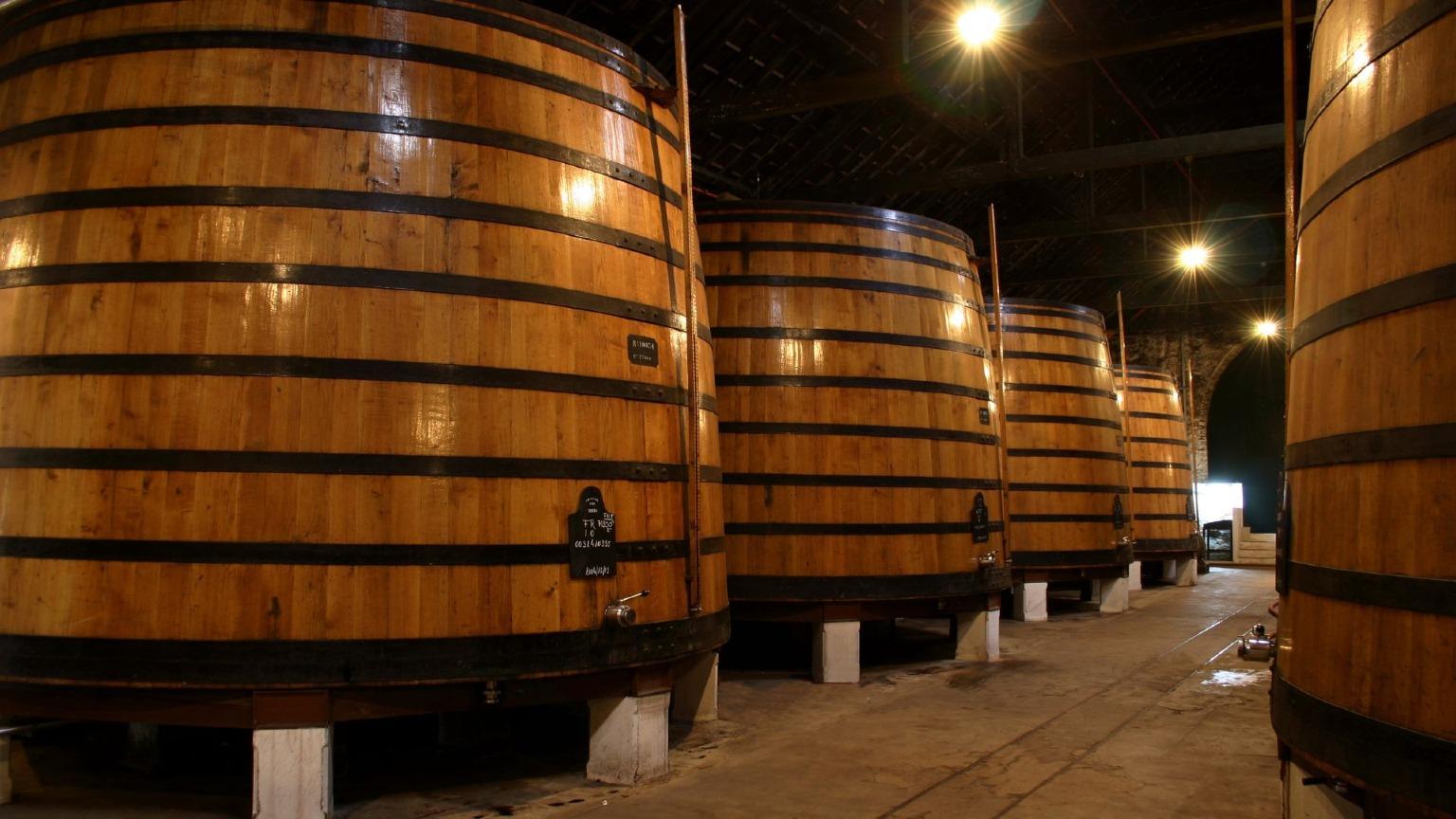
The historic Port wine cellars of Vila Nova de Gaia reflect centuries of wine ageing, trade and commercial relations between the Douro Valley and Porto.
The Tasting Chamber and the Guarantee Seal
In 1934, the institute established the Câmara de Provadores, or Tasting Chamber, bringing specialist sensory evaluation into the formal system of Port wine control.
The chamber's role was to assess wines through tasting, complementing the technical analysis used to determine whether they met the required standards.
Another significant development came in 1941, when regulations established the mandatory use of a guarantee seal for Port wine bottles.
The seal became one of the most recognisable elements of Port wine certification, helping distinguish officially controlled wines from products that could not legitimately use the Porto designation.
Together, these measures strengthened the link between geographical origin, wine quality and consumer confidence.
From the IVP to Today's IVDP
The Port wine industry continued to evolve during the second half of the 20th century.
Portugal's democratic revolution in 1974 brought an end to the Estado Novo system, while the country's accession to the European Economic Community (EEC) in 1986 opened a new phase of economic and regulatory development.
The year 1986 also marked an important turning point for the Douro wine industry. Producers meeting the necessary requirements were authorised to market and export Port wine directly from the Douro, ending Vila Nova de Gaia's exclusive role in the export trade. That same year, the Douro designation of origin was officially recognised.
These changes created new opportunities for independent wine estates, helping shape the diversity of producers and quinta brands that visitors encounter in the Douro Valley today.
In 1995, the Comissão Interprofissional da Região Demarcada do Douro (CIRDD) was created to give representatives of winegrowers and merchants a role in strategic decisions concerning the region.
That same year, the institute's headquarters moved from Porto to Peso da Régua, bringing its central administration closer to the vineyards and producers of the Douro Valley.
A further transformation followed in 2003.
The Instituto do Vinho do Porto merged with the CIRDD, creating the Instituto dos Vinhos do Douro e do Porto (IVDP).
The modern institution assumed broader responsibilities for the certification and protection of the region's wines, reflecting the importance of both fortified and non-fortified wines produced in the Douro.
What Does the IVDP Do Today?
The IVDP's mission is to certify, control, protect and promote wines produced under the Porto and Douro protected designations of origin (PDO) and the Duriense protected geographical indication (PGI).
Its responsibilities extend from vineyard registration and production controls to laboratory testing, sensory evaluation and the protection of geographical names in national and international markets.
Protecting the Names Porto, Douro and Duriense
Not every fortified wine can be called Port wine.
To qualify for the protected designation Porto, a wine must originate in the Demarcated Douro Region and comply with the applicable production and certification rules.
The IVDP oversees three protected geographical designations:
• Porto (PDO): Port wine, the region's internationally renowned fortified wine.
• Douro (PDO): Red, white and rosé wines, as well as sparkling wines and fortified Moscatel do Douro.
• Duriense (PGI): Regional wines produced under a separate set of production and certification requirements.
All three designations are connected to the same geographical territory, but each has its own production requirements.
Port wine is fortified by adding grape spirit during fermentation, interrupting the process and preserving natural grape sugars. It generally has an alcohol content of between 19% and 22%, although certain styles may have a lower alcohol content.
Douro table wines generally undergo fermentation without fortification and express the region's grape varieties and terroir in different ways.
👉 To explore these distinctions further, read our guide to Port wine, including its history, production methods and principal styles.
Vineyard Classification and the Benefício System
One of the less visible aspects of Port wine production is the classification of vineyards.
Proposed in 1947 by agricultural engineer Álvaro Moreira da Fonseca, the método de pontuação (scoring method) evaluates vineyard parcels according to twelve factors: location, altitude, exposure, slope, shelter, soil type, stoniness, grape varieties, vine age, productivity, planting density and vine training system.
Each parcel receives a score and is classified on a scale from A to I. Only vineyards classified from A to F are eligible for the benefício, and vines may be considered for Port wine production from their fifth year after planting.
The benefício determines the quantity of Port wine that may be produced each year, taking into account sales, market prospects and existing wine stocks. This annual allocation is then distributed among eligible vineyard parcels according to their classification.
For winegrowers, these decisions can have important economic consequences.
For visitors looking across the Douro's terraced hillsides, the system offers another perspective on the landscape: each vineyard belongs to a regulated production region where geographical and agricultural characteristics influence the wine it may produce.
Laboratory Analysis and the Câmara de Provadores
Before a wine can be certified, it must satisfy technical and sensory requirements.
The IVDP combines laboratory analysis with evaluation by specialist tasters.
Laboratory testing examines characteristics relevant to wine quality, authenticity and compliance with production regulations.
Chemical analysis is only part of the process. The Câmara de Provadores, established in 1934, evaluates wines through tasting, assessing whether their sensory characteristics correspond to the requirements of their designation and category.
This is especially important for Port wine, whose styles vary considerably.
Ruby, Tawny, Late Bottled Vintage and Vintage Port, for example, have distinct characteristics and ageing requirements.
The certification process must account for those differences while maintaining standards across the region's producers.
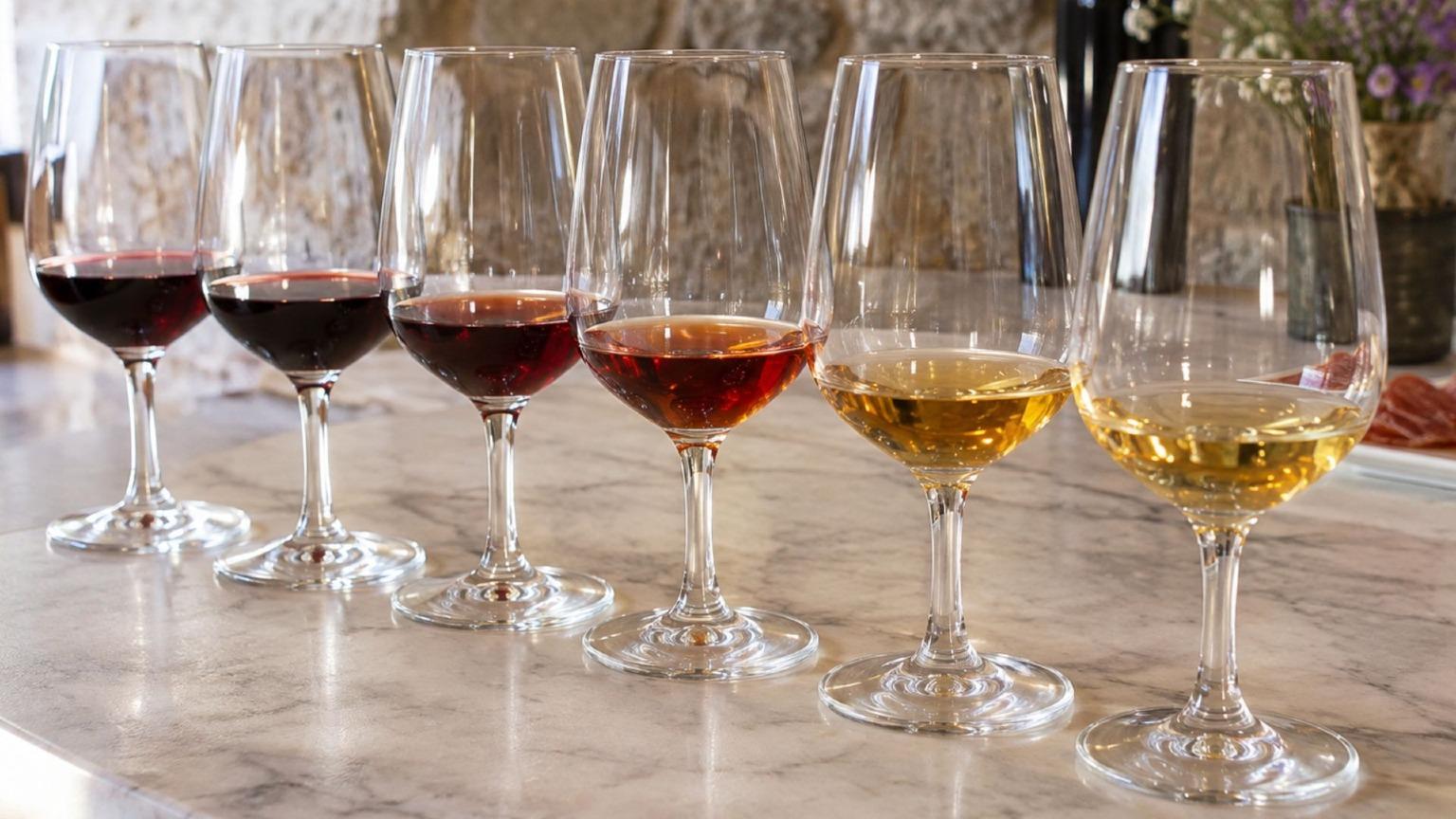
The different colours and sensory characteristics of Ruby, Tawny and White Port wines reflect their production and ageing methods, assessed through the IVDP's certification process.
The Guarantee Seal: A Sign of Authenticity
The official guarantee seal is one of the most visible expressions of the IVDP's work.
Introduced as a mandatory requirement in 1941, it forms part of the system used to certify and protect Port wine.
The seal helps consumers recognise wine that has passed the relevant controls and is authorised to use the protected Porto designation.
Its appearance has evolved over time, but its significance remains closely linked to the authenticity and reputation of Port wine.
When examining a bottle, the seal is a reminder that the wine's identity is supported by a system of regulation developed over generations.
The Port Wine Institute in Porto: History and Visitor Experience
Although the IVDP's headquarters are in Peso da Régua, the institution maintains an important presence in Porto.
Its delegation occupies a neoclassical building at Rua Ferreira Borges, 27, in the city's historic centre, close to the Palácio da Bolsa and the Mercado Ferreira Borges.
Constructed in 1843 for the Banco Comercial do Porto, the building became associated with the Port Wine Institute during the 1930s.
When the IVP was established in 1933, it initially operated from two rooms in the Palácio da Bolsa, made available by the Associação Comercial do Porto.
After acquiring and adapting the former bank building, the institute moved to Rua Ferreira Borges in 1935.
The building has remained connected to the institution ever since, preserving a tangible link between Porto's commercial heritage and the history of Port wine regulation.
Visiting the Port and Douro Interactive Learning Centre
Today, the IVDP's Porto premises also accommodate the Port and Douro Interactive Learning Centre.
The centre introduces visitors to the region's wines through multimedia exhibitions, following the journey from the vineyards of the Douro Valley to the finished bottle.
According to the IVDP's visitor information, the experience includes an introduction to wine certification and a visit to the laboratories and Tasting Chamber, offering insight into how Port and Douro wines are evaluated.
The visit concludes at the Port Wine Bar, where a self-service tasting system allows visitors to choose from a selection of Port wines, including White, Ruby and Tawny styles.
There is also a shop featuring wines from the region.
For travellers interested in Port wine, this provides a different perspective from visiting a producer's cellar in Vila Nova de Gaia.
A cellar visit usually focuses on a particular wine house, its history and its ageing traditions. The IVDP explains the broader system responsible for protecting wines produced throughout the region.
Planning a visit
• Location: Rua Ferreira Borges, 27, Porto.
• Official visitor information: Port and Douro Interactive Learning Centre.
• Contact: lojaporto@ivdp.pt
Opening hours, tour availability and tasting arrangements should be confirmed directly with the institute before visiting.
Why the IVDP Matters to the Douro Valley
The Douro Valley is known for its steep vineyards, distinctive landscapes and centuries-old winemaking traditions.
Its international reputation also depends on maintaining confidence in the wines that carry its name.
The region brings together numerous producers, vineyard parcels, grape varieties and wine styles. Common standards help protect the identity of those wines while allowing individual producers to express their own character.
Through certification, supervision and protection of geographical designations, the IVDP contributes to that shared reputation.
Its work also supports the distinction between wines that genuinely originate in the Douro and products that might otherwise misuse the region's recognised names.
The challenge is to preserve the integrity of the Porto and Douro protected designations of origin and the Duriense protected geographical indication while allowing the wine sector to respond to changing markets, production practices and environmental pressures.
Discovering Port Wine in the Douro Valley
Understanding the role of the IVDP adds another dimension to visiting the Douro.
The regulations explain how a wine's origin and identity are protected. The vineyards and wineries reveal how that wine is actually produced.
In the Douro Valley, visitors can meet winemakers, discover traditional and modern production methods, explore terraced vineyards and taste wines in the landscape where their grapes are grown.
Our Douro Valley travel guide explores the region's history, landscapes and wine traditions in greater detail.
👉 For those who would like to experience the region with a local guide, Cooltour Oporto's Douro Valley Wine Tour from Porto includes visits to two wineries, Port and Douro wine tastings, a traditional Portuguese lunch and a one-hour river cruise from Pinhão.
It is a way to connect the wines with the people, places and traditions that have shaped them.
A Long History of Protecting Origin
The history of the Port Wine Institute is closely connected to the transformation of the Douro Valley, the growth of Porto's wine trade and the efforts made over centuries to protect a product tied to a particular territory.
The regulations introduced in 1756 established an early framework for protecting geographical origin. The institute created in 1933 strengthened the control of Port wine, while the modern IVDP, established in 2003, assumed broader regulatory responsibilities that today encompass the Porto and Douro protected designations of origin and the Duriense protected geographical indication.
Today, the institute continues to safeguard the relationship between these wines, the region where they are produced and the people whose work gives them their identity, helping preserve the reputation of Port and Douro wines around the world.
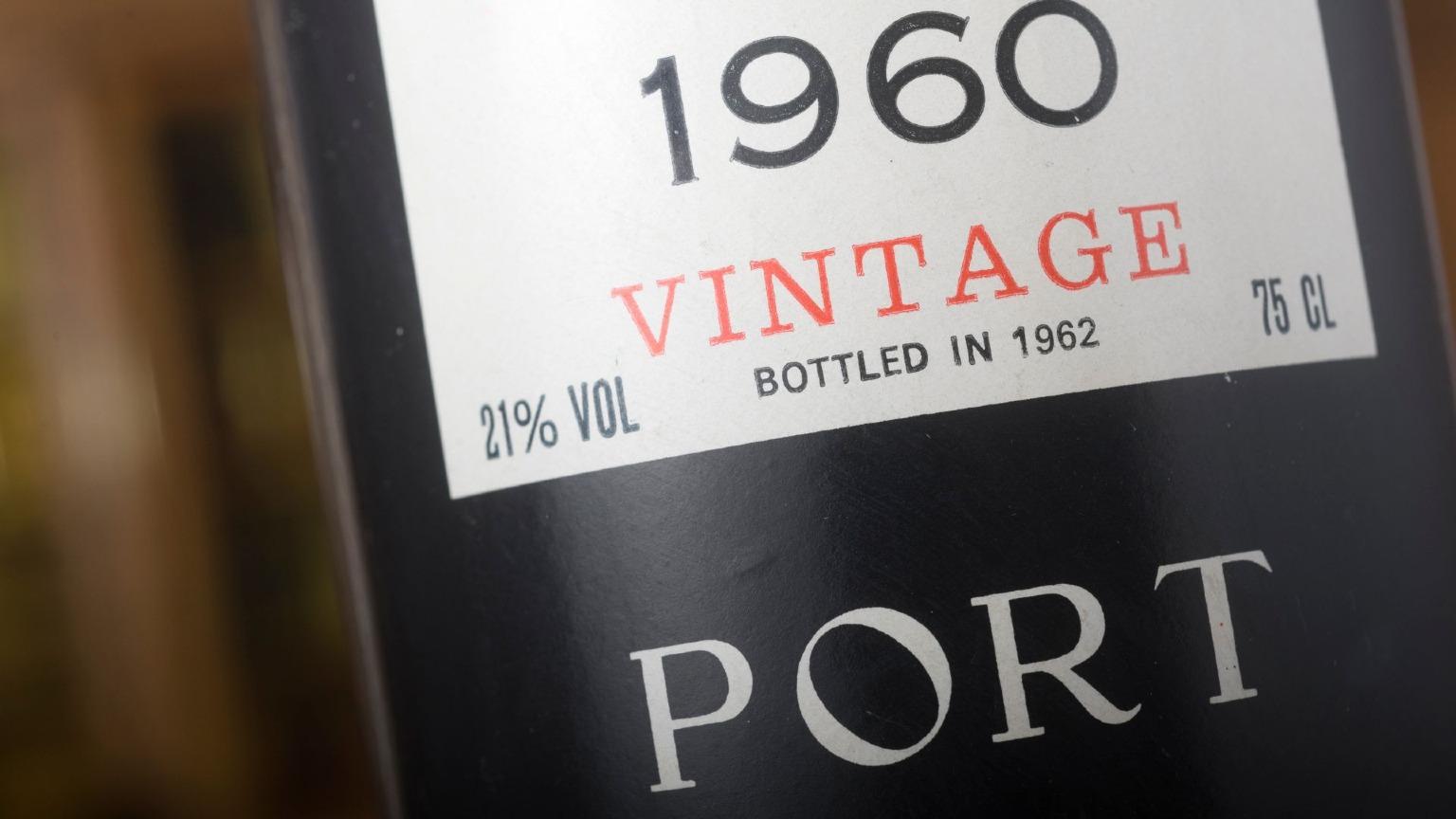
A 1960 Vintage Port, bottled in 1962, illustrating the ageing potential, heritage and enduring reputation of Port wine.
Frequently Asked Questions About the IVDP
Written by Gonçalo Castanho, founder of Cooltour Oporto and a Porto-based tourism entrepreneur with over 20 years of experience creating immersive and responsible travel experiences across Portugal.