Port Wine: Portugal’s Most Famous Fortified Wine
September 29, 2023
Updated March 2026
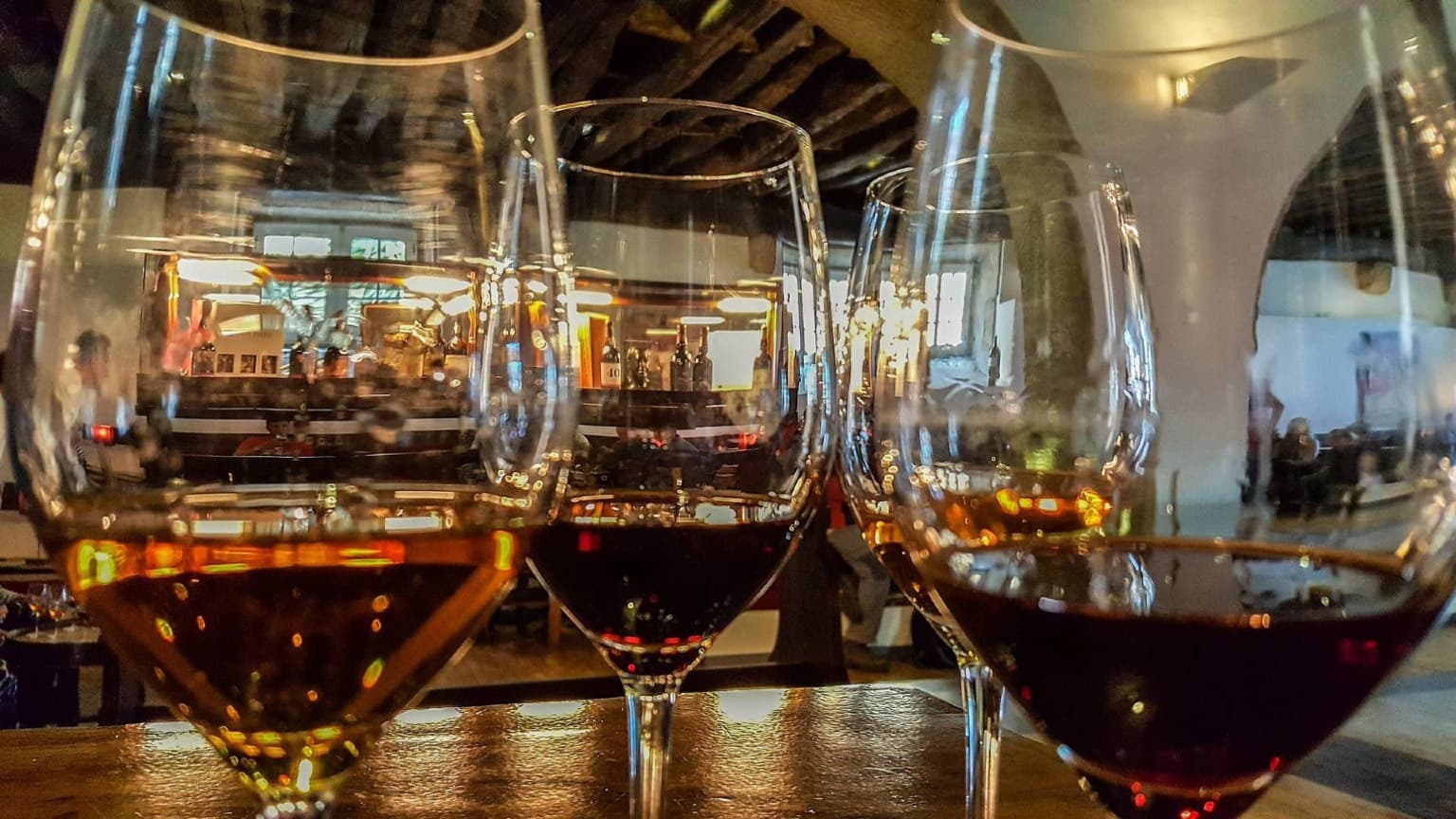
A Port wine tasting showcasing different styles, from white to ruby and tawny
What Is Port Wine? Portugal’s Iconic Fortified Wine Explained
Few wines in the world are as closely associated with a place as Port wine, Portugal’s most famous fortified wine. Produced exclusively in the Douro Valley, one of the world’s oldest demarcated wine regions, Port wine has shaped the culture, landscape, and identity of northern Portugal for centuries.
The Douro Demarcated Region, established in 1756 by the Marquis of Pombal, is widely considered the world’s first officially regulated wine region. Today it is also recognized as a UNESCO World Heritage Site, celebrated for its dramatic terraced vineyards and centuries-old winemaking traditions.
Standing on a terrace above the Douro River at sunset, it becomes easy to understand why this wine became legendary. Vineyards climb the mountainsides in narrow stone terraces built by generations of farmers, creating one of Europe’s most remarkable wine landscapes.
From the historic Port wine cellars of Vila Nova de Gaia to the steep vineyards of the Douro Valley, Port wine continues to captivate wine lovers around the world.
The Origins of Port Wine
The origins of Port wine date back to the 17th century, when English merchants sought ways to stabilize Portuguese wine during long sea voyages.
By adding grape spirit (aguardente vínica) during fermentation, winemakers halted the process early, preserving natural sweetness while increasing alcohol content. This technique created the distinctive fortified wine style that would become known as Port.
Over time, the wine gained enormous popularity in Britain and across Europe, establishing Port wine as one of Portugal’s most famous exports.
The Douro Valley: Birthplace of Port Wine
Port wine is produced exclusively in the Douro Valley, a region of extraordinary natural beauty located in northern Portugal.
Steep terraced vineyards carved into schist mountainsides overlook the winding Douro River, creating one of the most iconic wine landscapes in the world.
Wine production in the region follows traditional practices combined with modern winemaking techniques. Grapes are often harvested by hand due to the steep terrain, preserving the delicate balance between nature, terroir, and craftsmanship.
Travelers interested in exploring this unique landscape can learn more in our guide 👉 Douro Valley Guide: Best Wineries, Villages & Things to Do.
How Port Wine Is Made
The distinctive character of Port wine comes from its fortification process.
During fermentation, winemakers add grape spirit (aguardente) to stop fermentation before all the natural sugar converts into alcohol. This preserves the wine’s sweetness while increasing its alcohol content.
The production process typically includes:
• harvesting grapes from Douro vineyards
• fermentation of the grape must
• fortification with grape spirit
• blending of different wines
• ageing in barrels or bottles depending on the style
This process creates the rich flavors and complexity that define Port wine.
Main Types of Port Wine
Port wine is produced in several styles, each with distinct characteristics.
Ruby Port
Ruby Port is a young, vibrant wine aged for a short period in large barrels. It retains deep red color and fresh flavors of berries and wild red fruits.
Tawny Port
Tawny Port ages longer in wooden barrels, gradually developing nutty aromas, caramel notes, and amber color.
Reserve Port
Reserve Port represents higher-quality Ruby or Tawny wines aged longer before release, offering greater complexity and balance.
White Port
Made from white grape varieties, White Port can range from dry to sweet and is often served chilled or used in cocktails.
Pink Port
A more recent innovation, Pink Port offers a lighter, fruitier profile and is typically enjoyed chilled.
Vintage Port
Vintage Port is considered the most prestigious style. Produced only in exceptional harvest years, it matures primarily in the bottle and can age for decades.
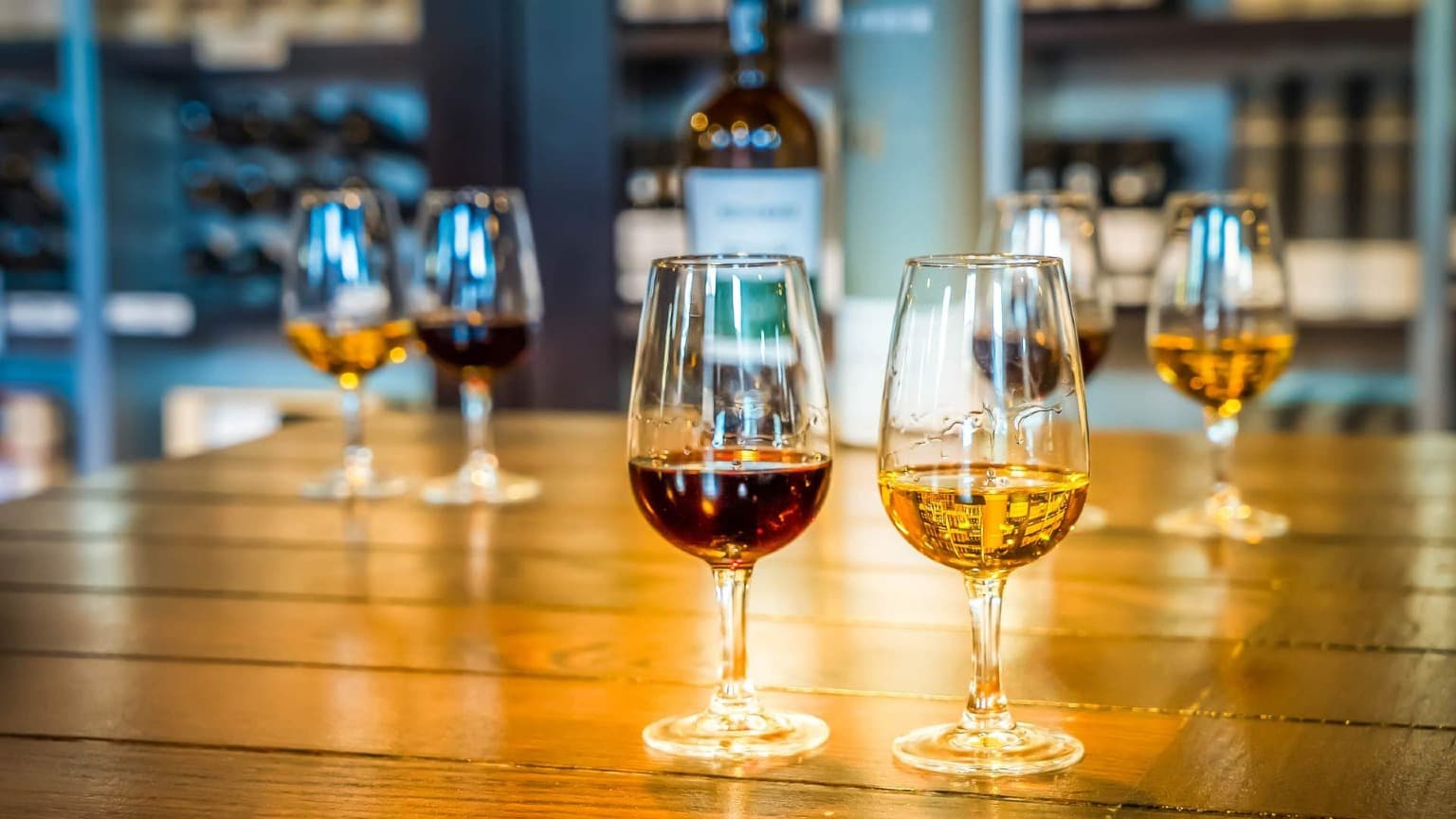
Exploring the diversity of Port wine styles, from lighter to richer expressions
Port Wine Cellars in Vila Nova de Gaia
Although Port wine is produced in the Douro Valley, most historic Port wine cellars are located in Vila Nova de Gaia, across the Douro River from Porto’s historic center. Here, the wine traditionally ages in large wooden barrels before being exported around the world.
These cellars offer guided visits and tastings where visitors can learn about the history, ageing process, and different styles of Port wine.
Some of the most famous Port houses include:
• Graham’s
• Taylor’s
• Sandeman
• Ramos Pinto
• Ferreira
• Poças
If you’re planning to explore the wine lodges of Gaia, our detailed guide 👉 The Complete Porto Wine Cellars Guide introduces the best cellars to visit and what to expect during a Port wine tasting experience.
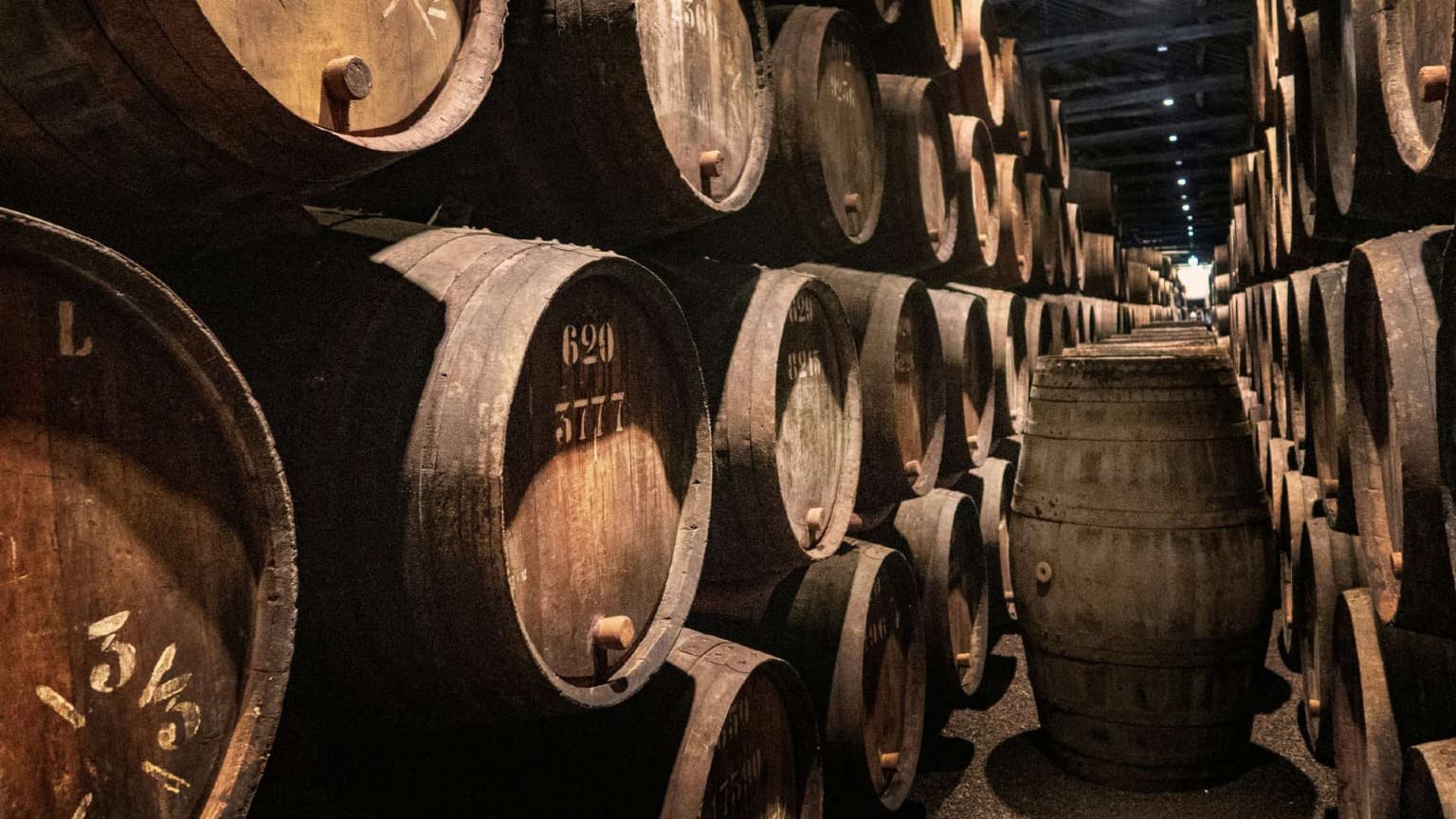
Historic Port wine cellars in Vila Nova de Gaia, where wines age slowly in wooden barrels
Visiting the Douro Valley
For travelers wishing to see where Port wine is actually produced, visiting the Douro Valley is an unforgettable experience.
The region offers:
• historic wine estates (quintas)
• spectacular vineyard landscapes
• traditional wine tastings
• scenic river cruises
• charming villages such as Pinhão and Peso da Régua
Many visitors explore the region on day trips from Porto, combining winery visits, local gastronomy, and breathtaking views of the valley.
Experiences such as the 👉 Douro Valley Wine Tour by Cooltour Oporto provide a deeper introduction to the region’s history, wines, and culture through visits to family-run estates and guided tastings.
Travelers can also compare travel options in our article 👉 Douro Valley from Porto: Guided Tour or Train.

A guided Port wine tasting experience in the Douro Valley, connecting wine, landscape and tradition
Port Wine and the Culture of Northern Portugal
Port wine is far more than a drink — it is part of the cultural identity of northern Portugal.
For centuries, the wine trade has shaped the region’s economy, architecture, and traditions. From the historic Rabelo boats that once transported barrels down the Douro River to the famous wine lodges of Gaia, Port wine tells the story of Portugal’s relationship with wine and international trade.
You can learn more about this history in our article 👉 The Rabelo Boat: History of Port Wine Transport on the Douro River.
Frequently Asked Questions About Port Wine
Written by Gonçalo Castanho, founder of Cooltour Oporto and a Porto-based tourism entrepreneur with over 20 years of experience creating immersive and responsible travel experiences across Portugal.