Douro Valley Guide: Best Wineries, Villages & Things to Do
January 29, 2026
Portugal's Oldest Demarcated Wine Region and a UNESCO World Heritage Site
The Douro Valley is one of the world's great wine regions, a landscape where terraced vineyards descend towards the Douro River, historic wine estates rise across the hillsides, and centuries of winemaking history can be discovered through every glass of Port and Douro wine.
Recognized as a UNESCO World Heritage Site, the Douro is the birthplace of Port wine and one of Portugal's greatest cultural landscapes. From the riverside towns of Pinhão and Peso da Régua to scenic train journeys, river cruises and family-run wineries, travelling through the Douro is a journey through wine, landscape, gastronomy and history.
For travellers visiting from Porto, the Douro Valley is one of Portugal's most rewarding day trips. Winery visits, tastings, regional cuisine and a journey along the river can all be experienced in a single day, while travellers staying in the valley can discover its slower side through vineyard walks, historic villages, sustainable places to stay and experiences on the Douro River.
👉 Visiting the Douro Valley for the first time? Our Douro Valley Small-Group Wine Tour from Porto combines two winery visits and tastings, a traditional Portuguese lunch and a Douro River cruise in a small group of no more than eight travellers, offering a complete introduction to the region in one day.
👉 Planning to explore more of Portugal? Discover our Portugal Travel Guides, where we explore the country region by region, or continue your journey with our complete guides to Porto, Northern Portugal, Central Portugal and Lisbon.
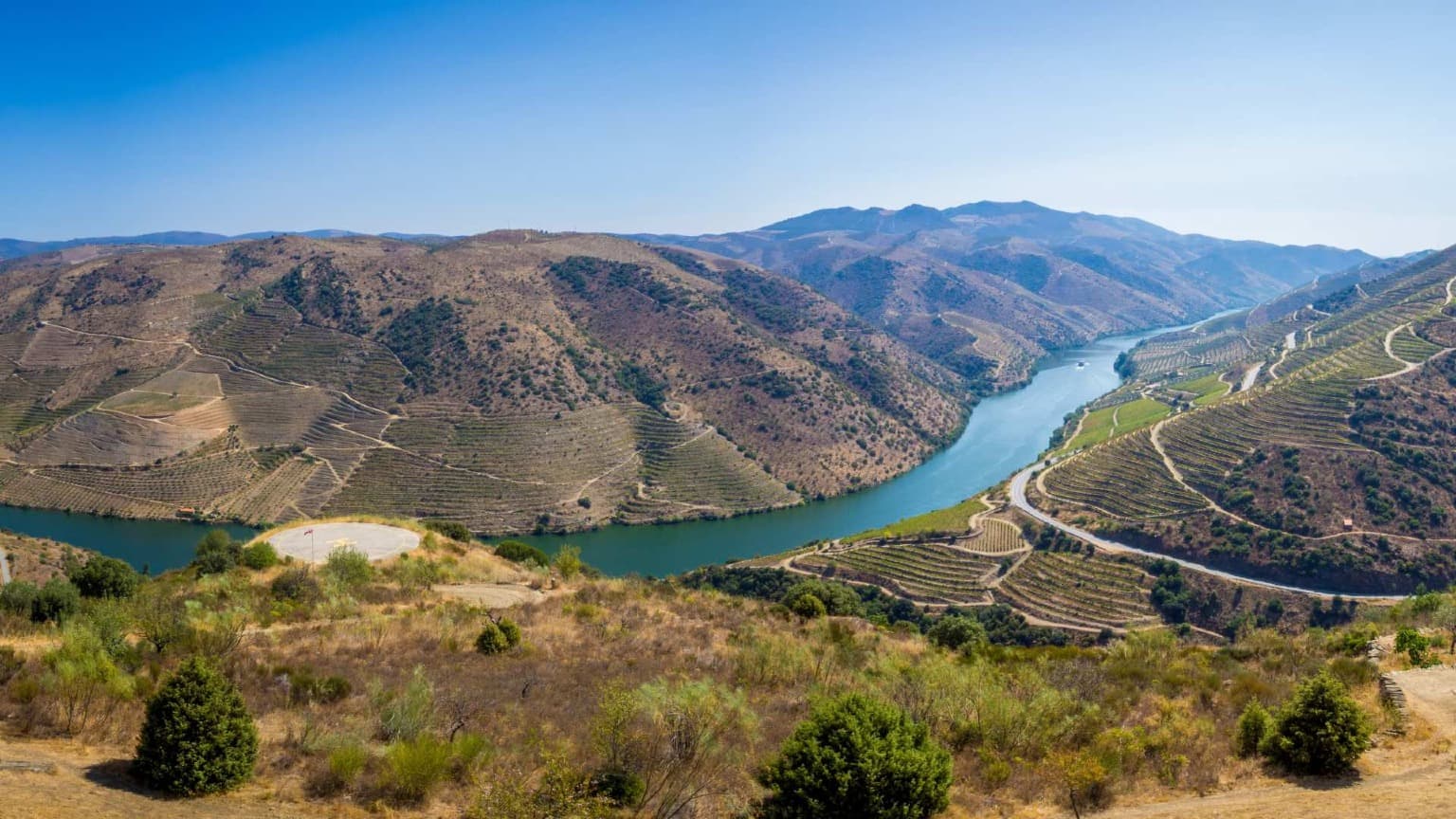
A signature Douro Valley view in the Douro Superior, where the river cuts through dramatic terraces near Vila Nova de Foz Côa.
The Douro Valley at a Glance
The Douro Valley is a UNESCO World Heritage wine region in northern Portugal, famous for terraced vineyards, Port wine estates, scenic river cruises, and historic villages such as Pinhão and Peso da Régua. It can be visited on a day trip from Porto or explored slowly over several days through wine tastings, boat tours, scenic drives, and walking trails.
Douro Valley Quick Facts
• Location: Northern Portugal, 90 min from Porto
• Famous for: Port wine, terraced vineyards, river cruises
• Best visit: April–June, Sept–Oct
• Ideal stay: 1–3 days
• Best access: Guided tour from Porto or car
Highlights of the Douro Valley and Things to Do
Pinhão: Heart of the Wine Country
Nestled along a dramatic bend of the Douro River, Pinhão is the symbolic heart of the Douro wine region. Surrounded by some of the valley’s most prestigious wine estates, this riverside village is the ideal base for wine tastings, scenic boat cruises, and slow exploration of terraced vineyards that define the UNESCO landscape.
Top Things to See in Pinhão
• Pinhão Train Station – One of Portugal’s most iconic railway stations, decorated with 24 hand-painted blue-and-white azulejo panels illustrating grape harvests, river transport, and daily life in the Douro.
• Casal de Loivos Viewpoint – Frequently cited by international media, including the BBC in 2015, as one of the most beautiful viewpoints in the world. From here, sweeping panoramas unfold over Pinhão village, the river bend, and layered vineyard terraces.
💡 Traveler Tip: Visit Pinhão in the late afternoon for golden-hour light over the vineyards, then enjoy a 1–2 hour solar-powered boat tour on the Douro River, available in small-group or private formats for a quiet, eco-friendly experience.
Peso da Régua: Gateway to the Douro
Often referred to as the capital of the Douro Valley, Peso da Régua played a central role in the historical regulation and export of Port wine. Today, it serves as a cultural and logistical gateway into the region, combining wine heritage, river activity, and excellent transport connections.
Top Things to See in Peso da Régua
• Museu do Douro – A modern, well-curated museum that explains the Douro’s viticultural history, demarcation system, traditions, and the human effort behind the terraced landscape.
• São Leonardo da Galafura Viewpoint – One of the most breathtaking viewpoints in the Douro, offering vast panoramas immortalised by Portuguese writer Miguel Torga, who described the valley as “an excess of nature.”
💡 Traveler Tip: While the full train journey from Porto to the Douro is long, the Régua–Pinhão railway stretch is considered one of Europe’s most scenic routes, running closely along the river with uninterrupted vineyard views.
Lamego: Art, Faith & Wine Traditions
Set slightly above the river, Lamego blends religious heritage, Baroque architecture, and local wine traditions. Elegant and atmospheric, it offers a different rhythm from the riverside villages, more monumental, cultural, and deeply rooted in regional identity.
Top Things to See in Lamego
• Sanctuary of Nossa Senhora dos Remédios – One of Portugal’s most impressive Baroque sanctuaries. Climb the grand staircase adorned with azulejos and statues for panoramic views over the town and surrounding countryside.
• Lamego Museum – Located in a 17th-century episcopal palace, the museum houses sacred art, Flemish tapestries, and important regional collections that reveal Lamego’s historical prominence.
💡 Hidden Gem: Taste the Bôla de Lamego, a rich savoury pastry filled with cured meats, a local speciality that pairs beautifully with a glass of sparkling wine or a fresh Douro white.
São João da Pesqueira: Ancient Roots of the Douro Wine Culture
Often considered the cradle of Douro viticulture, São João da Pesqueira is one of the most historically significant towns in the Douro Valley, deeply connected to the region’s wine heritage and traditional rural life.
Top Things to See in São João da Pesqueira
• Historic Town Center – Wander through stone streets, traditional houses, and quiet squares that reflect the town’s long-standing connection to agriculture and wine production.
• Wine Museum – Dedicated to the Douro’s wine culture, this museum presents the region’s history through interactive displays, videos, images, and multimedia storytelling.
• Viewpoints over the Douro Valley – Several elevated viewpoints around the town offer wide panoramas over vineyards, river bends, and the transition toward the Douro Superior. São Salvador do Mundo is the most famous, while viewpoints such as Senhora de Lourdes offer quieter, equally dramatic perspectives.
💡 Traveler Tip: São João da Pesqueira is an excellent base for travelers seeking a quieter, more traditional Douro experience. Combine wine tastings at historic quintas with scenic drives toward Vila Nova de Foz Côa to explore prehistoric rock art sites and wilder Douro landscapes.
Vila Nova de Foz Côa: Prehistoric Art & Wild Douro Landscapes
Set at the eastern edge of the Douro Valley, Vila Nova de Foz Côa reveals one of Portugal’s most extraordinary cultural treasures: an open-air gallery of prehistoric rock art carved along the Côa River. This remote and rugged area blends archaeology, raw landscapes, and deep silence, offering a very different but unforgettable side of the Douro.
Top Things to See in Foz Côa
• Vale do Côa Archaeological Park – A UNESCO World Heritage Site featuring thousands of Paleolithic rock engravings dating back over 20,000 years. Guided visits take you into the valley to see animal figures carved directly into schist rock, making this one of the most important prehistoric art sites in the world.
• Côa Museum – A striking contemporary museum overlooking the valley, designed to contextualise the rock art through immersive exhibits, archaeology, and landscape interpretation. Even without visiting the engravings, the museum alone is worth the stop for its architecture and panoramic views.
💡 Hidden Gem: Walk the Passadiços do Côa (Côa Walkways) for sweeping views over the river canyons and surrounding vineyards, especially beautiful in late afternoon light, when the landscape turns golden and quiet.
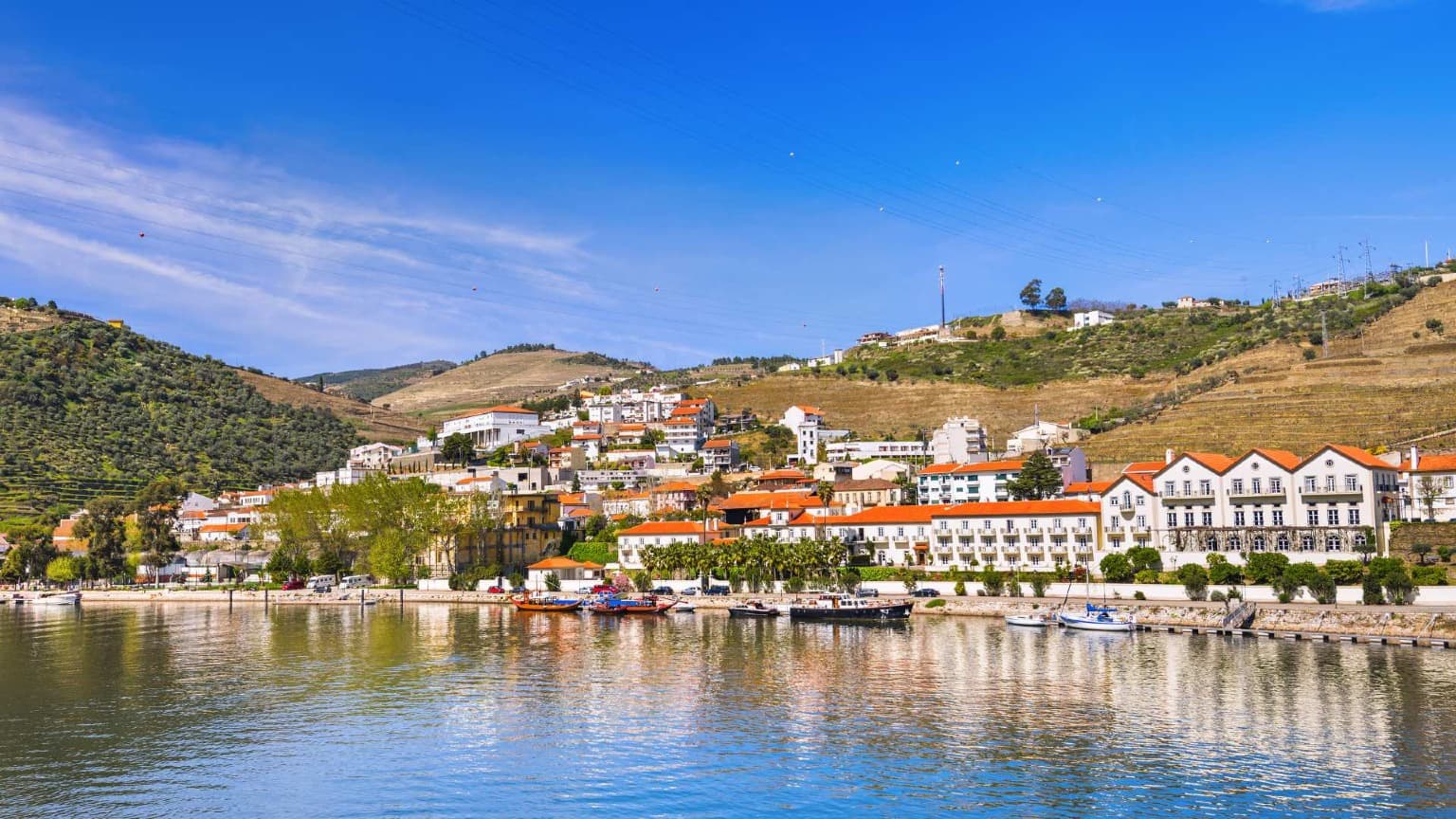
Pinhão, the heart of the Douro wine country, a classic riverside base for tastings, cruises, and vineyard views.
Scenic Drives in the Douro Valley
Exploring the Douro by car is one of the most rewarding ways to experience the region’s dramatic landscapes. Winding roads carve through terraced vineyards, follow the river’s curves, and reveal breathtaking viewpoints at every turn, making the journey itself an essential part of the Douro experience.
• N222 – Régua to Pinhão – Frequently cited as one of the most beautiful roads in the world, the N222 follows the Douro River between Peso da Régua and Pinhão. This iconic stretch offers a constantly changing panorama of steep vineyard terraces, river reflections, and historic wine estates. Driving slowly allows time to appreciate the scale of the landscape and stop at informal viewpoints along the way.
• EM 323 – Sabrosa to Pinhão – Often considered part of the Douro’s most scenic driving circuit, this winding descent connects the highlands of Sabrosa to the river valley. The road cuts through vineyards and olive groves, opening onto wide, layered views over the Douro. Viewpoints near Vale de Mendiz provide some of the most striking perspectives of the valley’s terraced slopes.
• EN222 – São João da Pesqueira to Ervedosa do Douro – One of the most impressive approaches into the heart of the Douro, this lesser-known road reveals the dramatic transition from plateau to vineyard-covered slopes. With minimal traffic and uninterrupted views, it offers an authentic sense of entering the deeper Douro wine country.
• EN102 – São João da Pesqueira to Vila Nova de Foz Côa – A scenic eastward drive linking classic wine villages with the prehistoric landscapes of the Côa Valley. Rolling vineyards gradually give way to open plateaus, making this route ideal for travelers combining wine tourism with archaeology and nature.
• EN221 – Vila Nova de Foz Côa to Freixo de Espada à Cinta – A spectacular route through the Douro Superior, where the landscape becomes wider, wilder, and less cultivated. The road follows river canyons and almond groves, showcasing a raw and untamed side of the Douro far from the central wine estates.
💡 Traveler Tip: Drive these roads in the early morning or late afternoon for softer light and fewer vehicles. If you prefer a more relaxed and sustainable experience, guided small-group or private tours allow you to enjoy the scenery without focusing on navigation.
👉 Prefer to enjoy the scenery without driving narrow mountain roads? Join a small-group or private Douro wine tour from Porto and relax while local experts take care of the logistics.
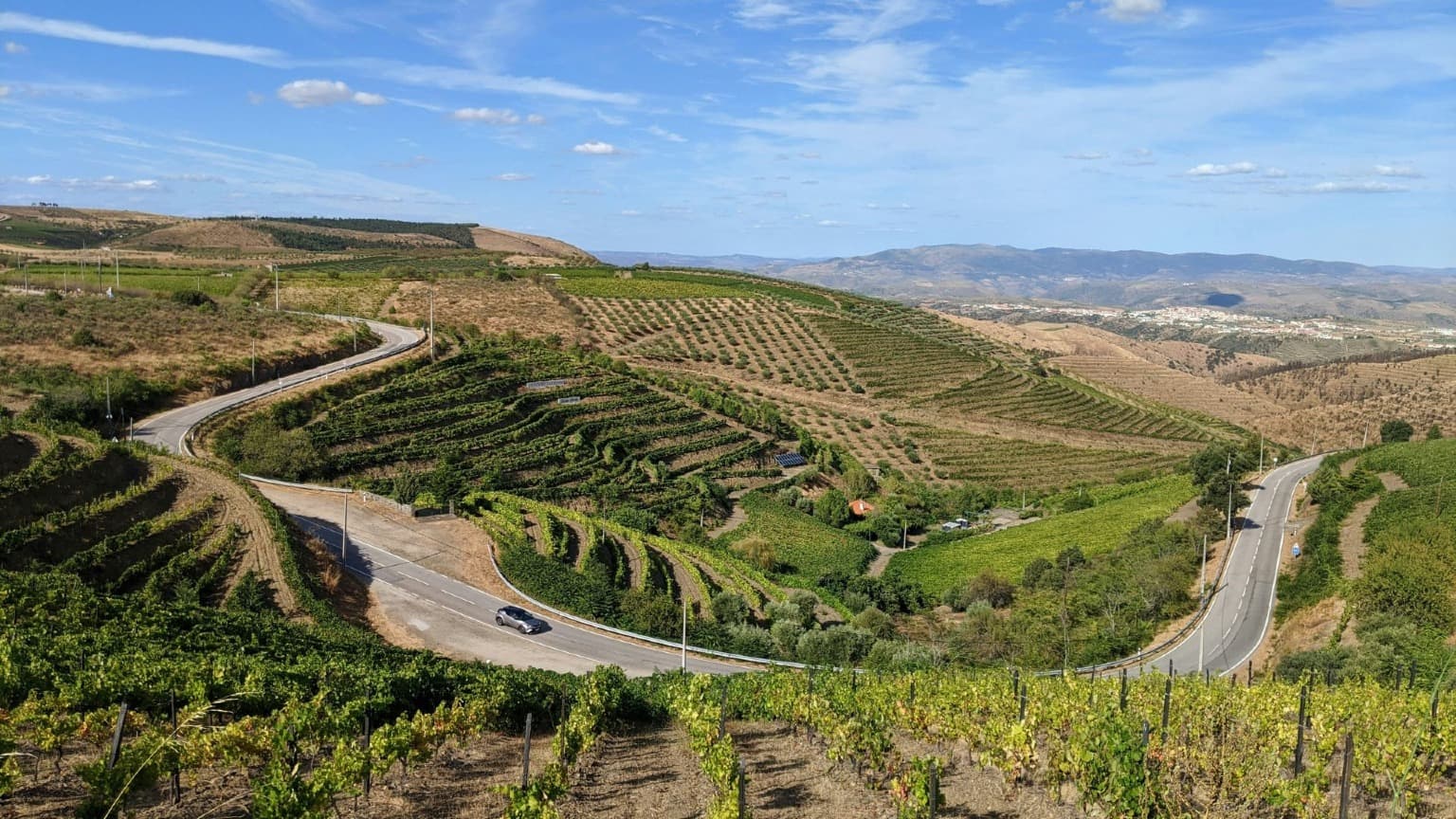
Scenic driving in the Douro: vineyard terraces, wide horizons, and the kind of road that makes the journey part of the experience.
Top 10 Must-Visit Wine Estates in the Douro Valley
If you’re short on time and want the most representative wine experiences, these ten Quintas offer the best combination of scenery, wine quality, accessibility, and visitor experience across the Douro Valley.
1. Quinta do Vallado (Peso da Régua) – Just 5 minutes by car from Peso da Régua, this is one of the Douro’s most prestigious wine estates. Family-owned since the 18th century, Quinta do Vallado blends tradition with modern winemaking and architecture, offering excellent Douro and Port wine tastings. From €35.
2. Quinta de Santa Eufémia (Lamego) – Around 15 minutes by car from Régua, this historic family-run estate is now managed by the 5th generation. Known for high-quality Douro and Port wines, tastings are available by the glass in a relaxed riverside setting.
3. Quinta da Portela de Baixo (Lamego) – A small family winery featuring a modest on-site museum dedicated to Douro and Port wine history. Tastings offer a personal insight into traditional winemaking. From €30.
4. Quinta do Bomfim (Pinhão) – Located just a 5-minute walk from Pinhão Train Station, this historic Port wine estate belongs to the Symington Family. Guided visits and tastings explore the legacy of Port production in the heart of the Douro. From €30.
5. Quinta da Foz (Pinhão) – A boutique estate located at the mouth of the Pinhão River, only 10 minutes on foot from the train station. Known for elegant Douro wines and intimate tastings in a privileged riverside location. From €40.
6. Quinta da Formigosa (Covas do Douro, Sabrosa) – About 15 minutes by car from Pinhão, this small, modern winery offers tastings with beautiful views over the Douro River. A great option for travelers looking for a quieter, boutique experience. From €25.
7. Quinta Nova de Nossa Senhora do Carmo (Gouvães do Douro, Sabrosa) – Around 30 minutes by car from Pinhão, this centuries-old estate is now a renowned boutique winery and wine hotel. Tastings focus on premium Douro wines in an elegant, historic setting. From €60.
8. Quinta do Crasto (Gouvinhas, Sabrosa) – Located between Régua and Pinhão and accessible only by car (around 45 minutes from either town), Quinta do Crasto is one of the Douro’s most iconic estates. Famous for its premium wines and breathtaking river views, it offers structured tastings in a dramatic hilltop location. From €40.
9. Quinta da Gaivosa (Santa Marta de Penaguião) – Approximately 20 minutes by car from Régua, this estate is home to Alves de Sousa wines, one of the Douro’s most respected winemaking families. Pioneers of high-quality Douro wines, now in their 5th generation. From €25.
10. Quinta do Vale Meão (Vila Nova de Foz Côa) – About 15 minutes by car from Vila Nova de Foz Côa, a legendary Douro Superior estate with historic ties to some of Portugal’s most iconic wines, including the origins of Barca Velha. Visits are limited and prices vary upon request.
💡 Traveler Tip: Many of these estates are difficult to combine independently in a single day due to distances, winding roads, and tasting schedules. Guided small-group wine tours from Porto allow you to visit multiple Quintas efficiently, enjoy tastings safely, and gain deeper insight into Douro wine culture.
👉 Want expert guidance on which wineries to visit? Explore our Douro Valley wine tours and experiences, from small-group tours from Porto to private experiences for wine lovers, with carefully selected estates, guided tastings and local insight throughout the day.
🔜 Coming soon on our blog: The 40 Best Wineries to Visit in the Douro Valley, with detailed tasting options, prices, locations, and practical visiting tips.
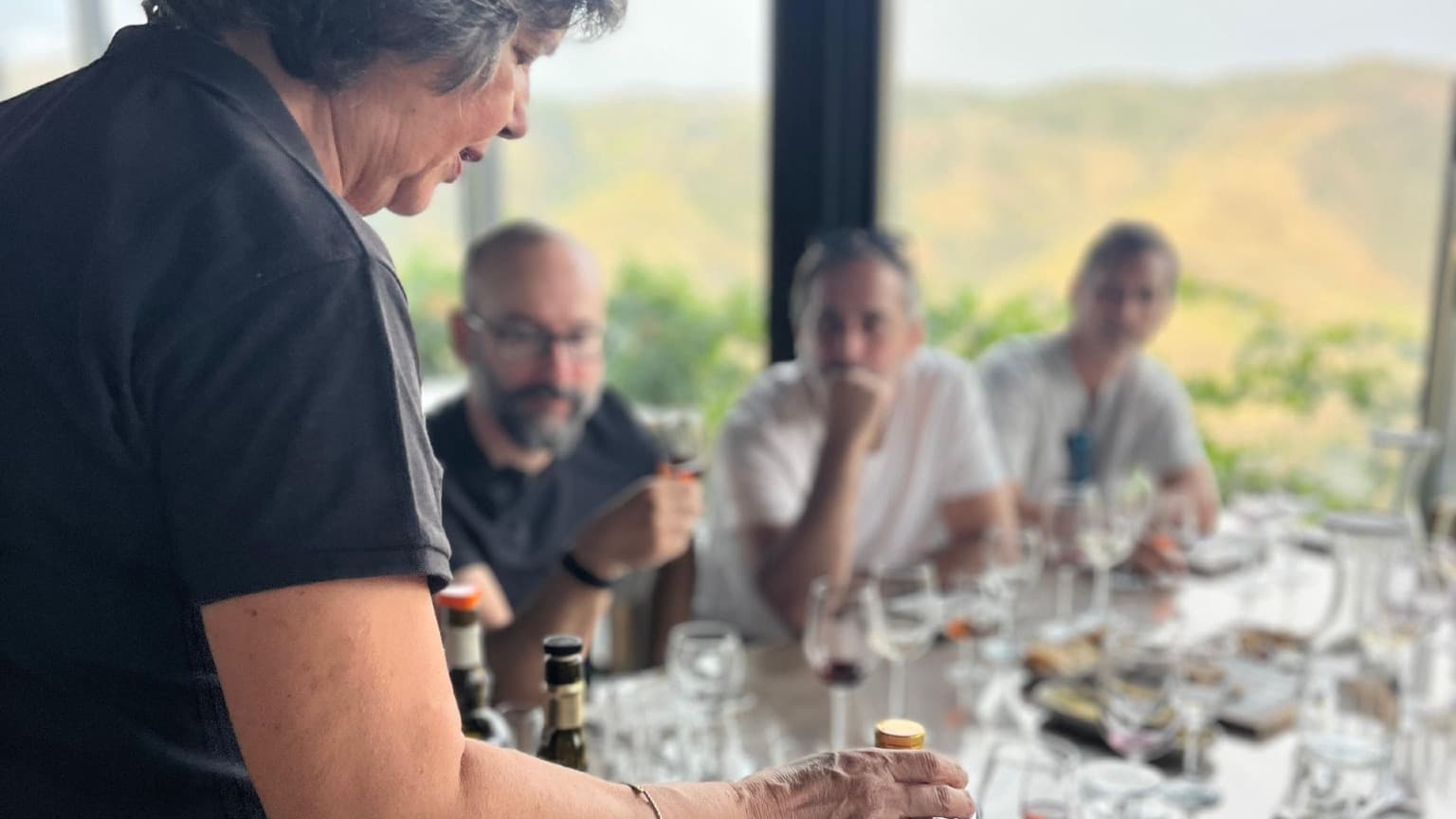
Wine tasting at Quinta de Santa Eufémia, one of the most authentic ways to experience Douro wines beyond the viewpoints.
Best Villages to Visit in the Douro Valley
Beyond the well-known riverside towns, the Douro Valley is dotted with historic wine villages where manor houses, olive groves, and centuries-old vineyards define everyday life. These quieter stops reveal the region’s rural soul and are perfect for slow exploration, local tastings, and scenic walks.
• Barcos Village (Tabuaço) – One of the oldest villages in the Douro Valley, Barcos features valuable medieval heritage, including manor houses, ancient streets, and traditional wine-growing estates. Surrounded by vineyards and olive groves, it also offers several scenic walking routes connecting rural paths and viewpoints.
• Provesende (Sabrosa) – A beautifully preserved hilltop village with noble manor houses, cobbled streets, and sweeping vineyard views, often considered one of the Douro’s most elegant settlements. Its elevated location makes it ideal for panoramic walks and a quiet stroll through historic wine estates.
• Favaios (Alijó) – Famous for its Moscatel wine and traditional stone bread ovens, offering an authentic glimpse into Douro winemaking traditions. Visitors can explore local wineries and enjoy tastings that highlight the village’s long-standing wine culture.
• Ervedosa do Douro (São João da Pesqueira) – A peaceful village surrounded by vineyards, ideal as a starting point for hiking trails and private tastings at small, family-run estates. Its calm atmosphere and rural setting make it perfect for travelers seeking a slower pace in the Douro.
• Trevões (São João da Pesqueira) – A traditional Douro wine village with Roman origins, known for its granite houses, narrow streets, and strong viticultural heritage. Surrounded by terraced vineyards and olive groves, it offers a genuine rural atmosphere and scenic walking paths through the countryside.
💡 Hidden Gem: Walk a section of the Douro Wine Trail, following old farm paths that link villages, vineyards, and viewpoints, one of the most rewarding ways to experience the landscape at a human pace.
👉 Want to explore the quieter side of the Douro? Discover our curated experiences for travellers staying in the Douro Valley, from vineyard walks and traditional villages to local wine tastings and slower ways of experiencing the landscape.
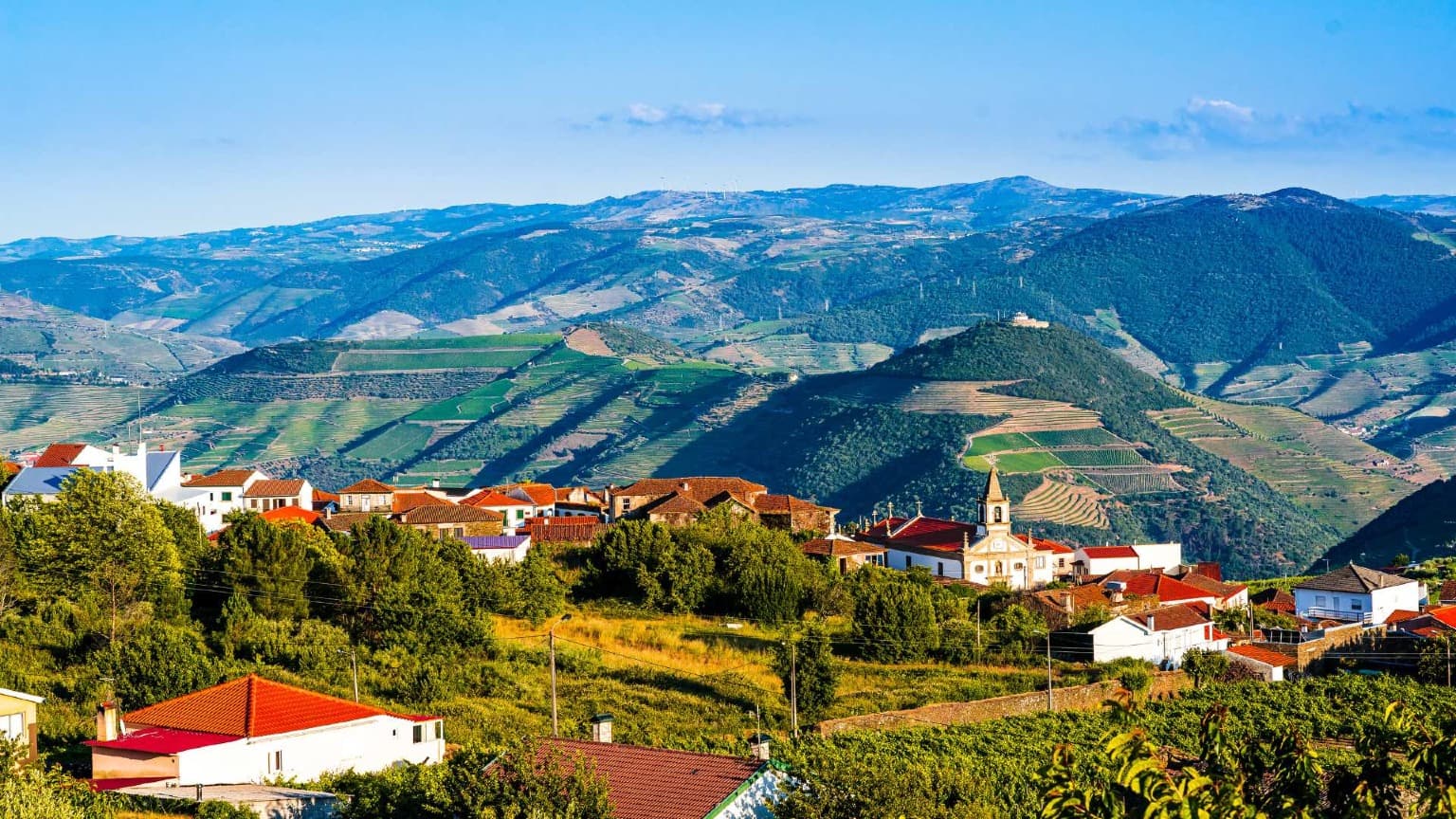
Provesende, a hilltop Douro village where manor houses and vineyard views define the rhythm of rural life.
Gastronomy of the Douro Valley
The Douro table is rich, comforting, and deeply connected to the land, designed to be enjoyed slowly and perfectly paired with the region’s wines:
• Posta Mirandesa (DOP) – Thick-cut grilled beef steak from Mirandesa cattle, a northern Portuguese specialty widely served in the Douro, especially in the Douro Superior.
• Cabrito Assado – Roasted kid goat with potatoes, garlic, and herbs, a festive and traditional dish across the Douro and northern Portugal.
• Bacalhau à Gomes de Sá – One of Portugal’s most iconic codfish dishes, originally from Porto and commonly found on Douro restaurant menus.
• Alheira de Mirandela (DOP) – Smoked sausage made with meat and bread, typical of Trás-os-Montes and frequently featured in Douro regional cuisine.
• Traditional desserts – Look for bolo de amêndoa, pão-de-ló, and regional convent sweets served in villages and wine estates.
💡 Traveler Tip: Pair local dishes with full-bodied Douro reds, elegant whites from higher altitudes, or a glass of 10-year-old Tawny Port enjoyed with river views.
Top 14 Restaurants in the Douro Valley
After exploring the wines, landscapes, and traditional flavors of the Douro Valley, many visitors ask where to eat in the region. From Michelin-starred fine dining to family-run regional restaurants, here is a curated selection of the best restaurants in the Douro Valley, celebrating local produce, wine culture, and authentic Portuguese cuisine.
• Dona Amélia (Castelo de Paiva) – A classic Portuguese restaurant known for comforting regional dishes, generous portions, and a welcoming, family-style atmosphere.
• Douro Excellence (Lamego) – A great value-for-money restaurant in the center of Lamego, offering well-executed Portuguese cuisine in a relaxed and welcoming environment.
• GA.RE. (Vila Real) – A modern wine restaurant where GA.RE. stands for Garrafeira e Restaurante, combining an excellent wine cellar with creative takes on traditional Portuguese dishes.
• Tasca da Quinta (Peso da Régua) – A relaxed spot combining Portuguese cuisine and tapas, ideal for sharing traditional flavors paired with local wines in a casual atmosphere.
• Aneto & Table (Peso da Régua) – A modern and creative restaurant offering contemporary interpretations of Portuguese cuisine, with a focus on quality ingredients and refined presentation.
• Castas e Pratos (Peso da Régua) – A wine-driven restaurant highlighting Douro grape varieties and regional flavors, perfect for pairing local dishes with curated wine selections.
• Schistó – Quinta da Vacaria (Vilarinho dos Freires, Peso da Régua) – An intimate fine dining restaurant located in the historic main house of Quinta da Vacaria, limited to just 14 seats for a truly exclusive and luxurious gastronomic experience.
• DOC by Chef Rui Paula (Folgosa, Armamar) – Michelin-starred fine dining overlooking the Douro River, where Chef Rui Paula elevates regional ingredients into contemporary Portuguese haute cuisine.
• Regional Fonte Nova (Armamar) – Traditional Portuguese cuisine served with authenticity, highlighting local recipes and ingredients from the Douro and Beira Alta regions.
• Quinta do Crasto Restaurant (Gouvinhas, Sabrosa) – A wine-focused restaurant set within one of the Douro’s most prestigious estates, offering elegant dishes designed to pair with Quinta do Crasto wines and stunning vineyard views.
• Bonfim 1896 by Pedro Lemos (Pinhão) – A refined gastronomic experience at Quinta do Bomfim, led by Michelin-starred Chef Pedro Lemos, pairing Douro flavors with an elegant riverside setting.
• Cantina de Ventozelo (Ervedosa do Douro) – A relaxed yet refined restaurant set within Quinta de Ventozelo, focusing on seasonal dishes inspired by traditional Douro recipes and local produce.
• Ernestus (Pereiros, São João da Pesqueira) – A regional restaurant with a strong local identity, serving honest Douro cuisine in a warm and traditional setting.
• A Tasquinha (Mogadouro) – Located in the Douro Superior near the Spanish border, this regional restaurant offers authentic Portuguese dishes based on seasonality and local products.
💡 Traveler’s Tip: Many Douro Valley restaurants are located within wine estates or small villages with limited seating. Booking ahead is highly recommended, especially during harvest season, weekends, and holidays.
Hidden Gems of the Douro Valley
Beyond iconic viewpoints such as Casal de Loivos or São Leonardo da Galafura, and well-known wine villages like Provesende and Favaios, the Douro Valley hides a collection of lesser-known places that reveal a quieter, deeper side of the region, perfect for travelers seeking authenticity and off-the-beaten-path experiences.
• Tarouca and Távora-Varosa – Just 18 minutes by car from Lamego, Tarouca lies in the neighbouring Távora–Varosa wine region, renowned for its sparkling wines, including the prestigious Caves Murganheira. The area is rich in medieval heritage, with highlights such as the Monastery of São João de Tarouca, Monastery of Santa Maria de Salzedas, and the beautifully preserved medieval bridge and village of Ucanha.
• Freixo de Espada à Cinta – A historic riverside town in the Douro Superior, Freixo de Espada à Cinta is known for its medieval walls, Manueline architecture, and centuries-old tradition of silk production, one of the few places in Portugal where this craft survived. Its position along the Douro River and near the Spanish border gives it a distinct identity, blending wine culture, agriculture, and frontier history.
• Miradouro do Penedo Durão (Freixo de Espada à Cinta) – Located near the Spanish border and the Saucelle Dam, this dramatic viewpoint sits around 550 metres above the Douro River. From here, you’ll enjoy sweeping views over deep river canyons, rugged cliffs, and one of the most striking natural landscapes in the entire Douro region.
• Miradouro do Castrilhouço (Miranda do Douro) – One of the most impressive viewpoints in the International Douro Natural Park, offering jaw-dropping perspectives over dramatic river canyons, steep cliffs, and untouched wilderness. A must for nature lovers and photographers.
• Miradouro do Ujo (Alijó) – A quiet, lesser-known viewpoint overlooking the Vale do Tua, showcasing terraced vineyards, winding river lines, and a more remote side of the Douro landscape, ideal for those seeking silence and wide horizons.
💡 Traveler Tip: Stay overnight in a local Quinta; many estates are now eco-certified and offer farm-to-table meals, solar energy, vineyard walks, and immersive wine experiences that allow you to enjoy the Douro beyond day trips.
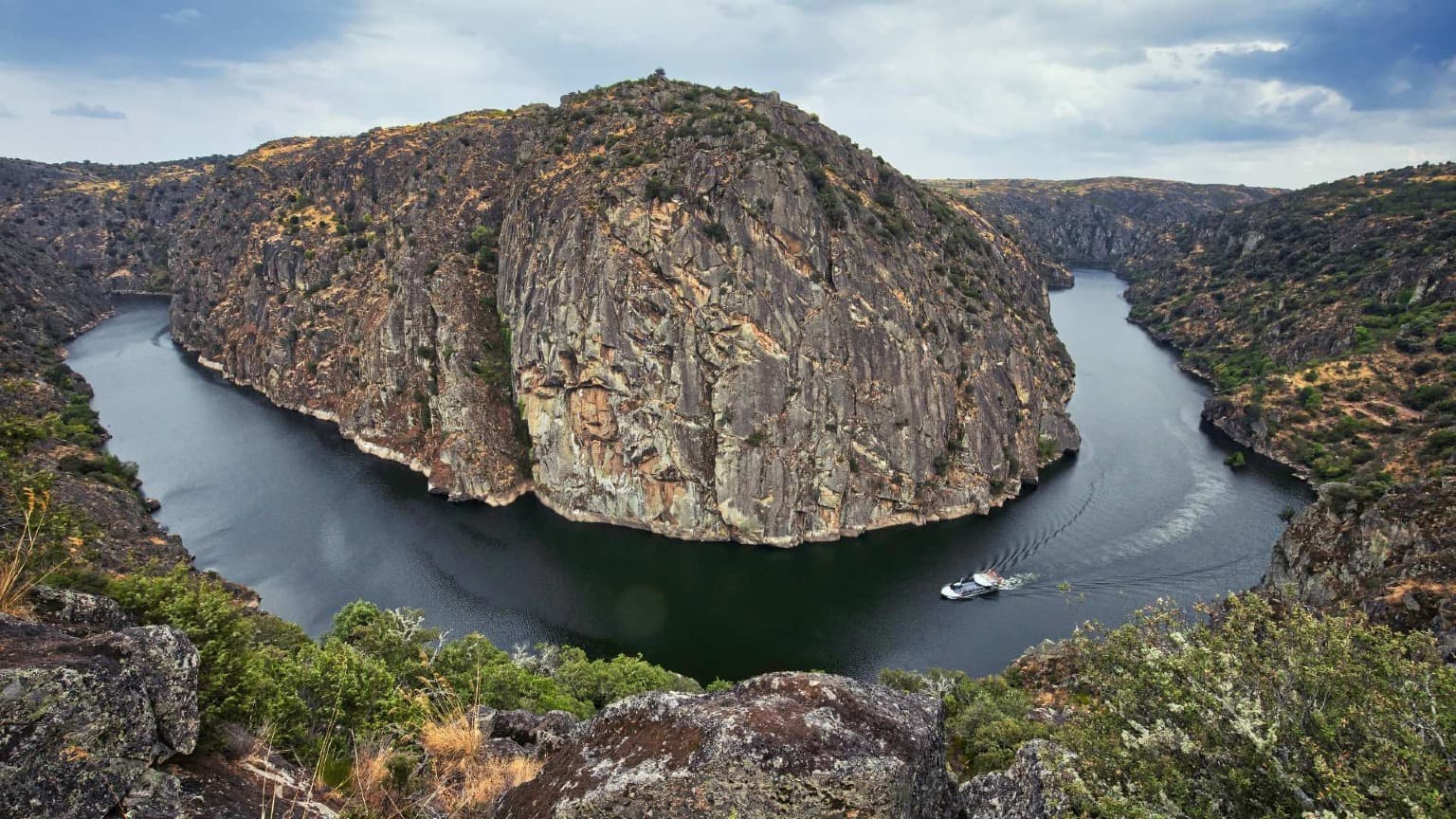
A wild side of the Douro: deep river canyons and dramatic cliffs in the Douro International near Miranda do Douro.
The Douro Valley for Sustainable Travelers
Sustainability runs deep in the Douro.
Many estates are now certified organic and practice low-intervention winemaking, replanting native vegetation and protecting biodiversity.
Solar-powered boat tours, electric vehicles, and small-group wine experiences make it possible to explore responsibly, without compromising comfort or authenticity.
💡 Traveler Tip: Choose off-season travel (March–May or September–November) for fewer crowds and an authentic glimpse into harvest traditions.
Plan Your Trip to the Douro Valley
• Best time to visit: Spring (March–May) brings wildflowers, fresh greenery, and mild temperatures, ideal for hiking, scenic drives, and quieter wine tastings. Autumn (September–October) is harvest season (vindimas), offering vibrant vineyard colours, grape harvesting, and a lively atmosphere at wineries. Summer is hot but popular for river cruises, while winter is quiet and atmospheric.
• Getting there: The Douro Valley is around 90 minutes to 2 hours from Porto by car (depending on where you’re going in the valley). By train, allow 2–3 hours to Peso da Régua or Pinhão, with the Régua–Pinhão stretch considered one of Europe’s most scenic railway routes.
• Getting around: Renting a car offers the most flexibility to explore viewpoints, villages, and scenic roads like the N222. Alternatively, guided small-group or private tours are ideal for enjoying wine tastings, boat cruises, and winding roads without driving, a more relaxed and often more sustainable option.
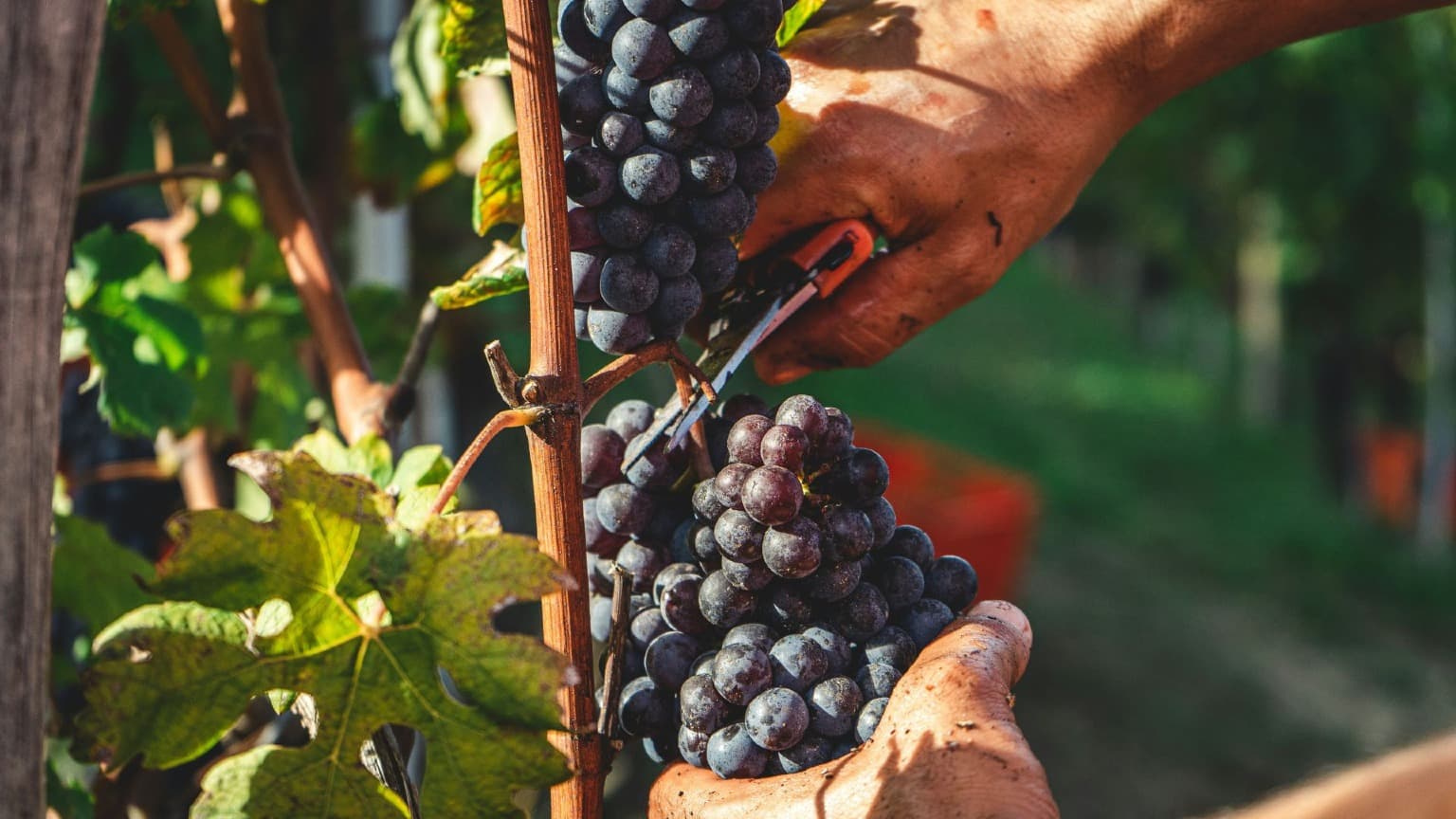
Vindimas in the Douro: late August to mid-September is peak harvest season, with vineyards buzzing from morning to sunset.
Explore the Douro Valley from Porto with Award-Winning Local Experts
For travellers visiting from Porto, Cooltour Oporto's Douro Valley Wine Tour offers a complete introduction to the region in one day. Travel in a small group of no more than eight guests, visit two wine estates with tastings, enjoy a traditional Portuguese lunch and experience the Douro from the river on a scenic cruise.
Cooltour Oporto has been creating experiences in the region since 2012 and has received international recognition for its tours and approach to wine tourism, including:
• 2025 Arival Award for Best of Europe in Culinary Tours & Experiences
• 2024 Viator Experience Award
• 2020 Tripadvisor Travelers' Choice Best of the Best
• 2018 Best of Wine Tourism by Great Wine Capitals
👉 Ready to discover the Douro from Porto? Check availability and book our Douro Valley Wine Tour from Porto, or explore our complete collection of Douro Valley tours from Porto, from our Three-Winery Tour to private wine and culinary experiences designed for travellers looking for a more personalised or in-depth journey through the region.
Staying in the Douro Valley?
The Douro deserves more than a day if you have the time. Travellers staying in Pinhão, Peso da Régua or elsewhere in the valley can explore the region at a slower pace through experiences selected from our network of trusted local partners.
Cruise quietly along the Douro on a solar-powered boat, walk between vineyards and traditional villages, enjoy a picnic overlooking the valley, or visit individual wine estates for more focused tastings. These experiences offer a different perspective on the Douro and are particularly suited to travellers who want to explore beyond the classic day trip from Porto.
👉 Staying overnight? Discover our Best Eco Hotels and Green Wine Estates in the Douro Valley, with carefully selected places to stay for experiencing the region at a slower pace.
👉 Already staying in the region? Explore our curated collection of Douro Valley tours and experiences, including wine tastings, solar boat cruises, vineyard walks and hiking experiences across the valley.
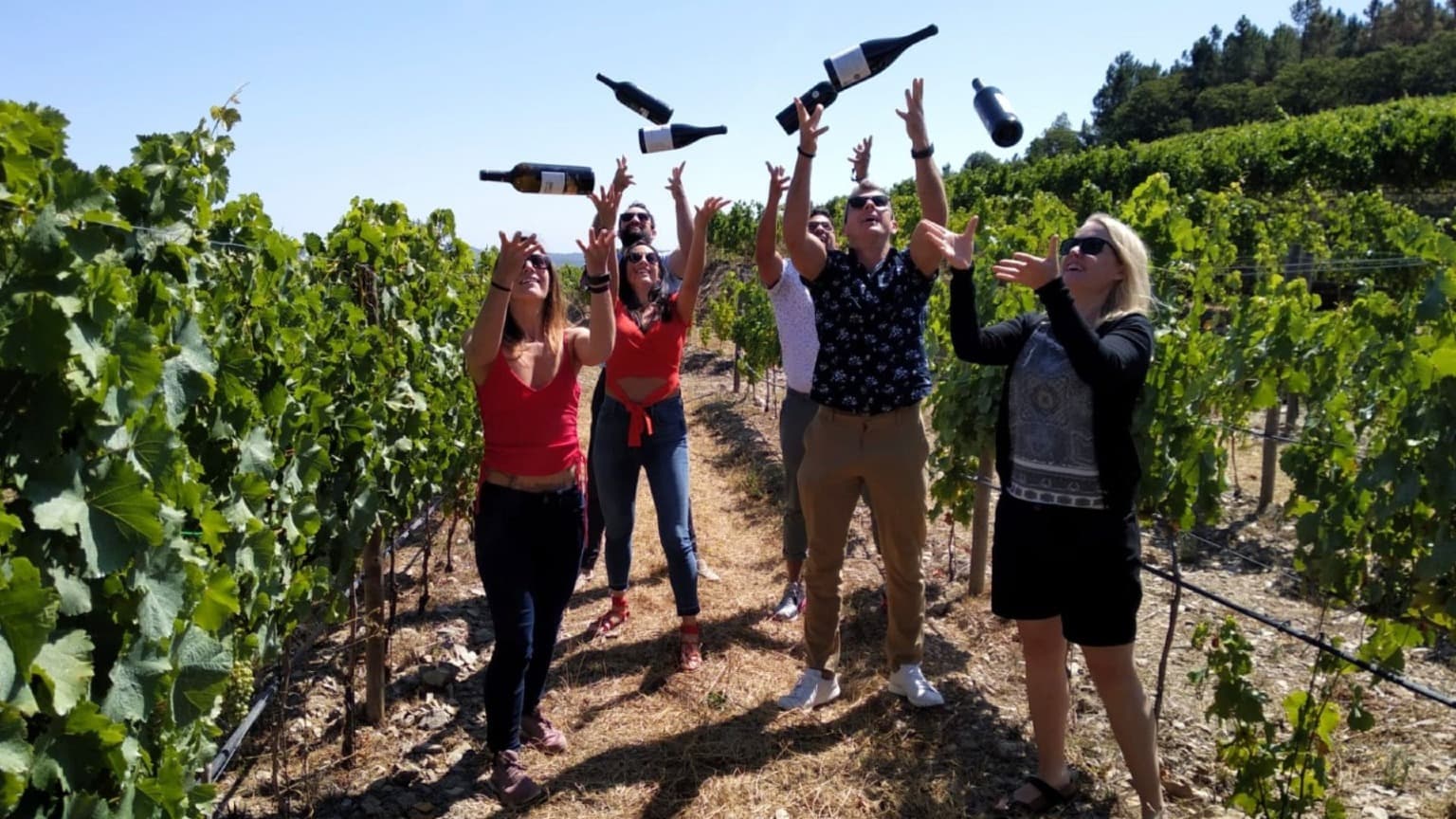
Explore the Douro from Porto with a small group — vineyards, tastings, river cruise, and a traditional lunch in one award-winning day.
FAQ: Visiting the Douro Valley
Written by Gonçalo Castanho, founder of Cooltour Oporto and a Porto-based tourism entrepreneur with over 20 years of experience creating immersive and responsible travel experiences across Portugal.