Bacalhau in Portugal: History, Traditions & the National Dish
June 30, 2026
Portugal consumes more bacalhau per person than any other country in the world. Despite having a population of just over 10 million people, the country accounts for approximately 20% of global bacalhau consumption.
This is remarkable because codfish does not naturally exist in Portuguese waters.
Yet few foods are more closely associated with Portuguese identity than bacalhau. From Christmas Eve dinners and Easter celebrations to family lunches and traditional restaurants, codfish occupies a unique place in Portuguese culture. It has inspired generations of fishermen, sailors, cooks, writers, and entrepreneurs, becoming far more than a simple ingredient.
To understand bacalhau is to understand part of Portugal itself.
👉 Planning a food-focused trip to Portugal? Check our guide to the best restaurants to eat bacalhau in Portugal , featuring traditional taverns, regional specialties, and some of the country's most celebrated codfish restaurants.
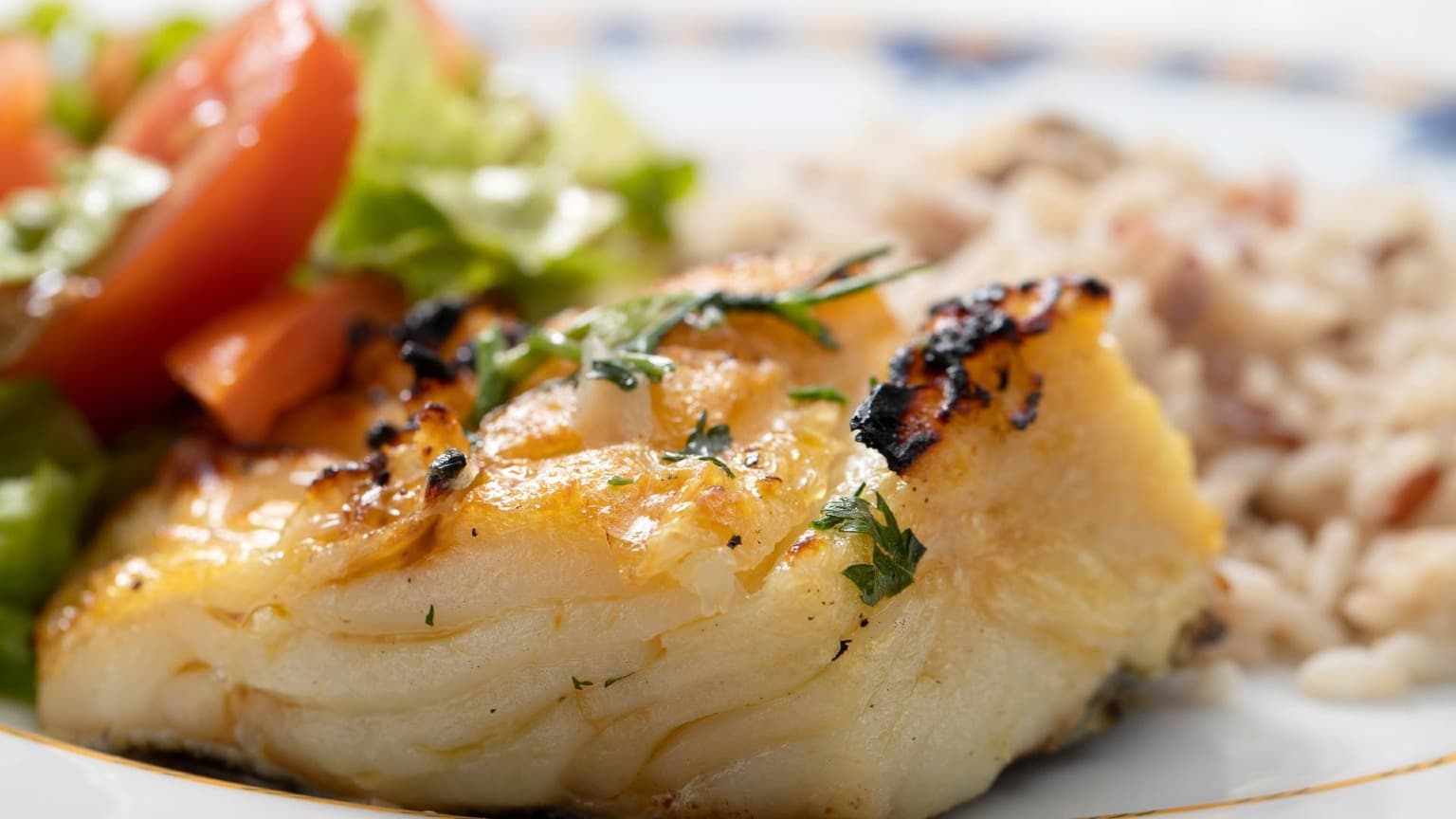
Bacalhau is Portugal's national dish, celebrated in hundreds of traditional recipes and at family tables across the country.
In this article:
• What is Bacalhau?
• Why Portugal Imports Cod
• Vikings
• Basques
• Portuguese Discoveries
• White Fleet
• Christmas Traditions
• Famous Recipes
• Museums
• FAQ
What Is Bacalhau?
The word bacalhau is commonly used in Portugal to describe salted and dried codfish, but not all codfish are the same.
The most prized species is the Atlantic Cod (Gadus morhua), found in the cold waters of Norway, Iceland, Greenland, and the North Atlantic. It is renowned for its large flakes, delicate texture, and rich flavor, making it the preferred choice for traditional Portuguese recipes.
Another recognized species is Pacific Cod (Gadus macrocephalus), which comes from the North Pacific. Although it is also sold as bacalhau, it tends to be whiter and slightly more fibrous than Atlantic cod.
Several related species are also found in international markets, including paloco, saithe, and ling. While these belong to the broader cod family or closely related groups, Portuguese consumers generally consider Atlantic Cod the benchmark for quality.
Today, when Portuguese people talk about bacalhau, they are almost always referring to salted and dried Atlantic cod.
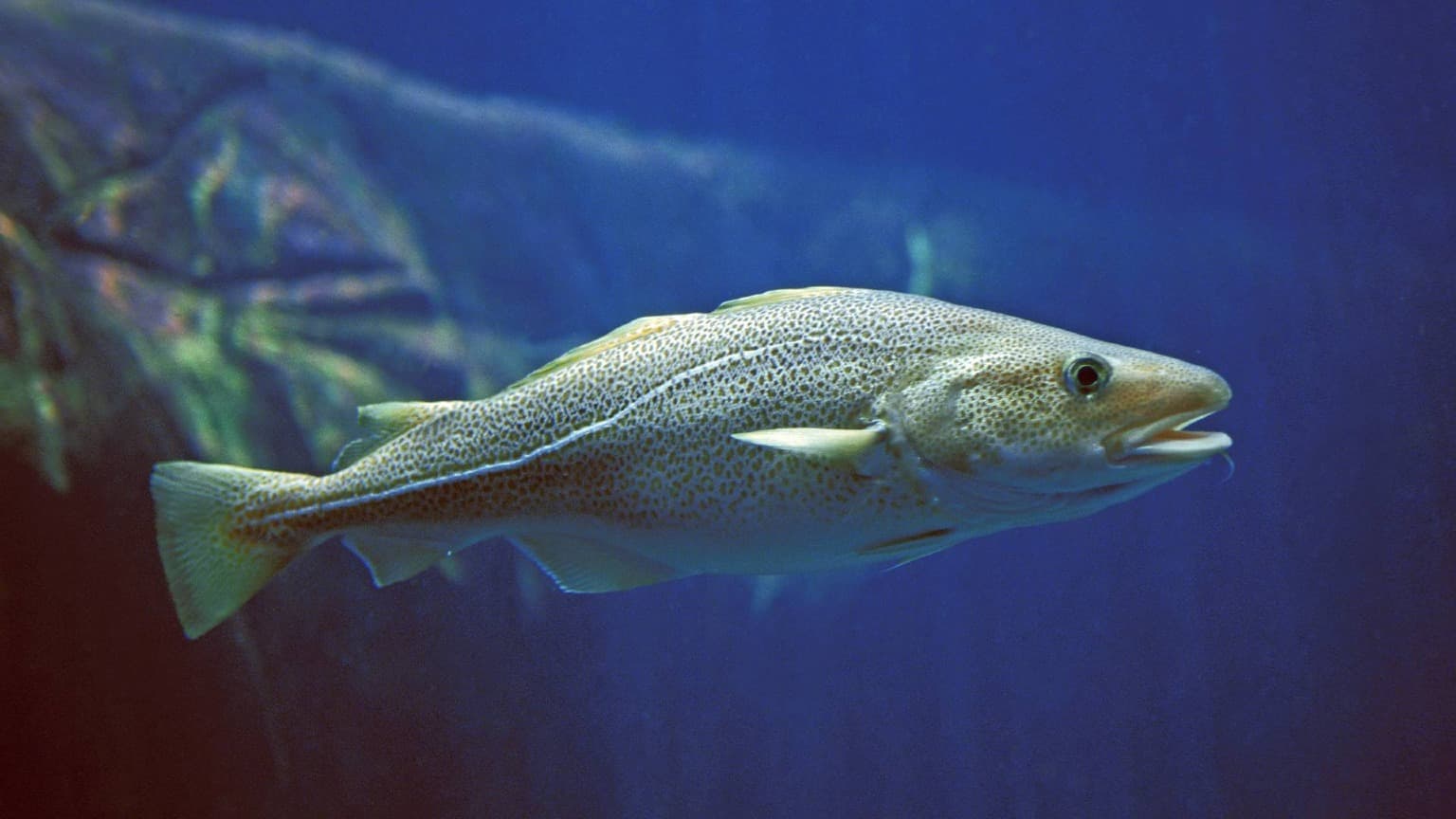
The Atlantic cod (Gadus morhua), found in the cold waters of the North Atlantic, is the species most prized for producing traditional Portuguese bacalhau.
Why Portugal Imports Bacalhau from Norway
Although bacalhau is considered Portugal's national dish, most of the cod consumed in the country is caught far to the north.
Today, Norway is Portugal's principal supplier of Atlantic cod, followed by Iceland. The cold, nutrient-rich waters of the North Atlantic produce some of the world's highest-quality cod, prized for its firm texture, large flakes, and exceptional flavor.
After being caught, the fish is traditionally salted and dried before being exported to Portugal, where it is transformed into hundreds of regional recipes.
This centuries-old trade relationship between Portugal and Norway continues today, making Norwegian cod an essential part of Portuguese gastronomy. It is one of Europe's most successful and enduring culinary partnerships.
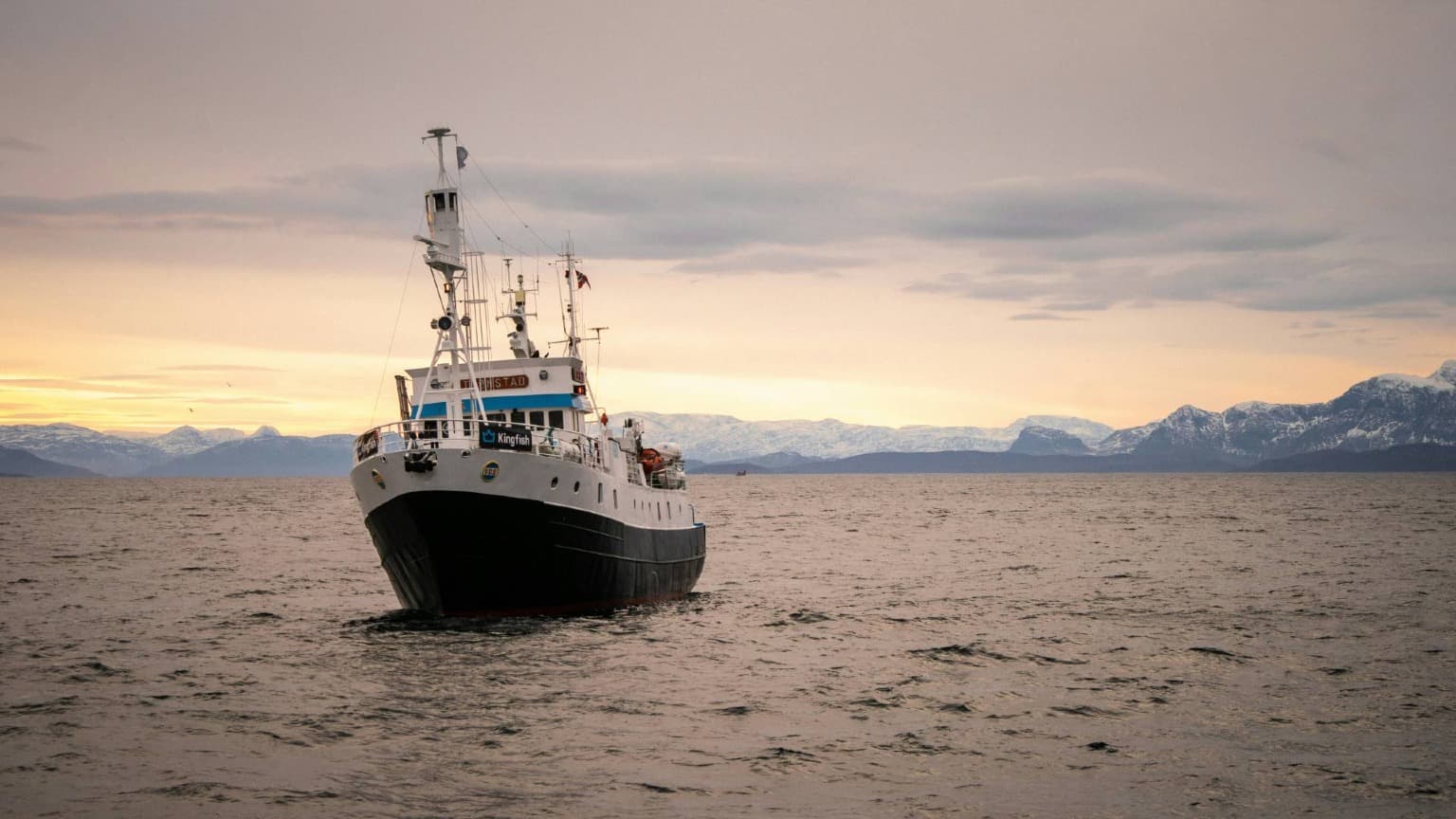
Today, much of the bacalhau enjoyed in Portugal begins its journey in the cold waters of Norway, the country's principal supplier of Atlantic cod.
The Vikings: The First Cod Traders
The story of bacalhau begins long before Portugal became a nation.
Historians believe the Vikings were among the first Europeans to systematically fish and preserve cod. Without access to large quantities of salt, they dried fish naturally in the cold northern air until it became hard enough to survive long ocean voyages.
Archaeological evidence suggests that codfish was already being traded across Northern Europe more than a thousand years ago. Genetic studies of cod bones discovered in the ancient Viking trading port of Haithabu revealed that fish caught near Norway's Lofoten Islands were transported over 1,500 kilometers into the Baltic region.
Long before modern trade routes existed, codfish was already connecting distant cultures across Europe.
The Basques and the Salt Revolution
If the Vikings discovered cod, the Basques transformed it.
Living between present-day Spain and France, Basque fishermen perfected techniques for salting and drying codfish, dramatically extending its shelf life. Historical records indicate that by around the year 1000 they were already trading salted cod throughout Europe.
This innovation changed everything.
Salted cod could survive months at sea without refrigeration, making it one of the most practical foods for sailors, merchants, and explorers. The preservation method would later become fundamental to Portugal's maritime expansion.
How Bacalhau Arrived in Portugal
Portugal's relationship with bacalhau began through trade.
As early as the 14th century, Portuguese merchants exchanged salt for codfish with northern European nations. Portuguese salt was highly prized, while cod provided a nutritious food source that could be stored for long periods without spoiling.
Over time, Portuguese sailors became increasingly involved in cod fisheries themselves.
By the 15th and 16th centuries, Portuguese navigators were exploring the North Atlantic and reaching the waters around Newfoundland and Labrador in present-day Canada. These fishing grounds contained some of the world's richest cod stocks and would become central to Portugal's fishing economy for centuries.
Bacalhau and the Portuguese Discoveries
By the 15th century, Portugal had become one of Europe's great maritime powers.
As ships sailed farther from home, preserving food became essential. Salted cod proved ideal: it was nutritious, relatively lightweight, and could withstand months at sea without refrigeration.
As Portuguese explorers sailed to Africa, Asia, and South America, bacalhau became a staple food aboard their ships. The fish helped sustain crews during some of the most ambitious maritime expeditions in history.
This period firmly established codfish as part of Portuguese daily life and helped shape the country's culinary identity.
The White Fleet and the Epic Cod Campaigns
For generations, Portuguese cod fishing was known as the Faina Maior (the Great Fishery).
Each year, fleets of Portuguese vessels sailed to Newfoundland and Greenland in search of cod. These campaigns became one of the country's defining maritime traditions.
Known collectively as the White Fleet because of their distinctive white-painted hulls, these vessels became one of the most recognizable symbols of Portuguese maritime life during the twentieth century.
Among the most famous was the Creoula, launched in 1937. During its career, the ship completed 37 cod fishing campaigns in the North Atlantic before being converted into a Portuguese Navy training vessel, where it continues to serve today.
The cod fleets helped shape entire coastal communities and generations of Portuguese fishermen.
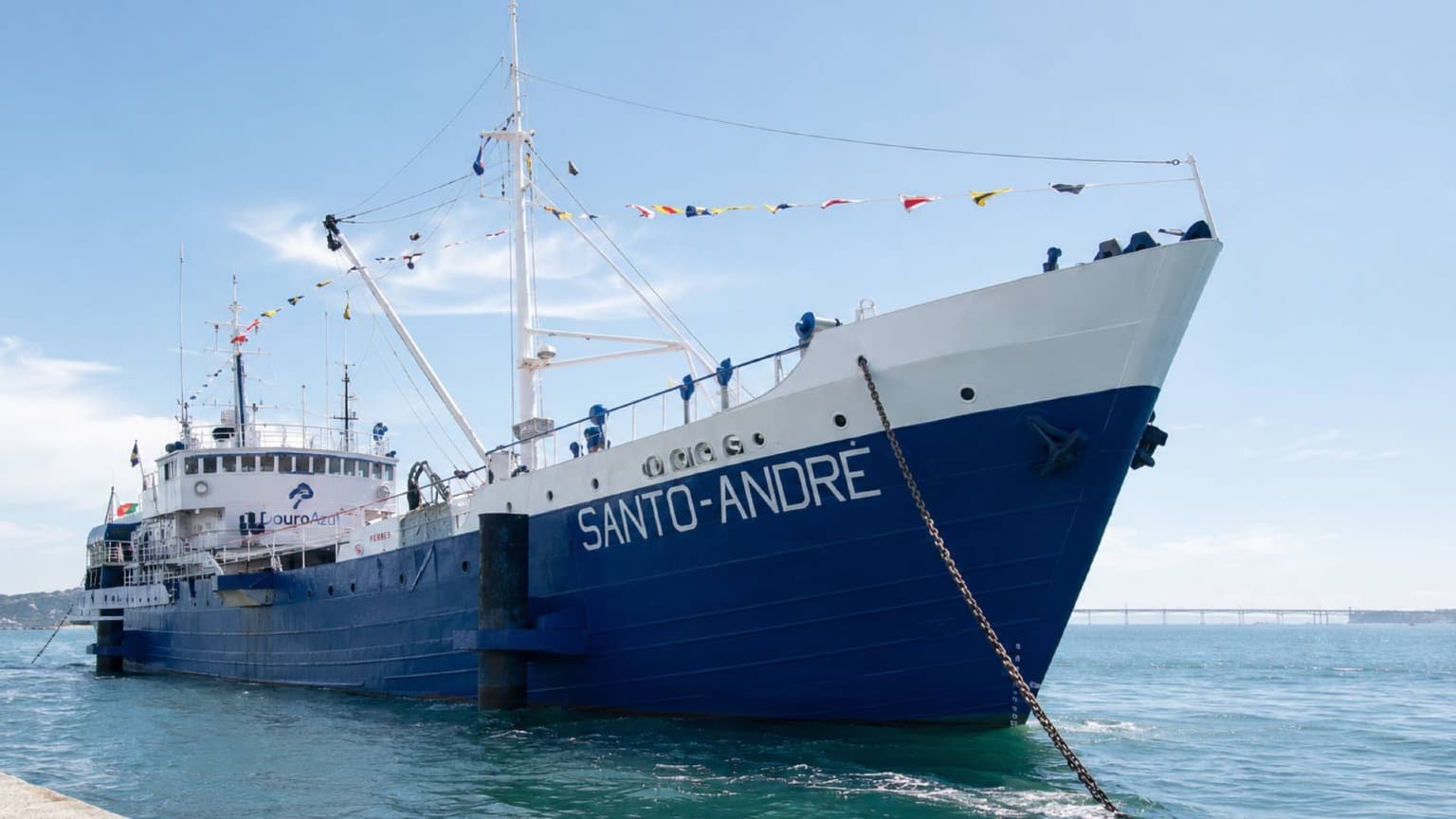
The Santo André is one of the last surviving ships of Portugal's historic White Fleet and today operates as a museum ship in Ílhavo.
Fishing From a Dóri: One of Portugal's Hardest Jobs
Few professions in Portuguese history were as demanding as cod fishing from a dóri.
A dóri was a small wooden boat operated by a single fisherman. Every morning, dozens of these tiny vessels were lowered from the larger cod ships into the freezing waters of the North Atlantic.
Alone at sea, fishermen battled storms, dense fog, strong currents, freezing temperatures, and drifting icebergs. Using only hand lines, they caught cod one fish at a time before rowing back to the mother ship.
Many never returned.
Those who did often came home months later after enduring some of the harshest fishing conditions in the world.
Today, the image of the lone dóri fisherman remains one of the most powerful symbols of Portugal's maritime heritage.
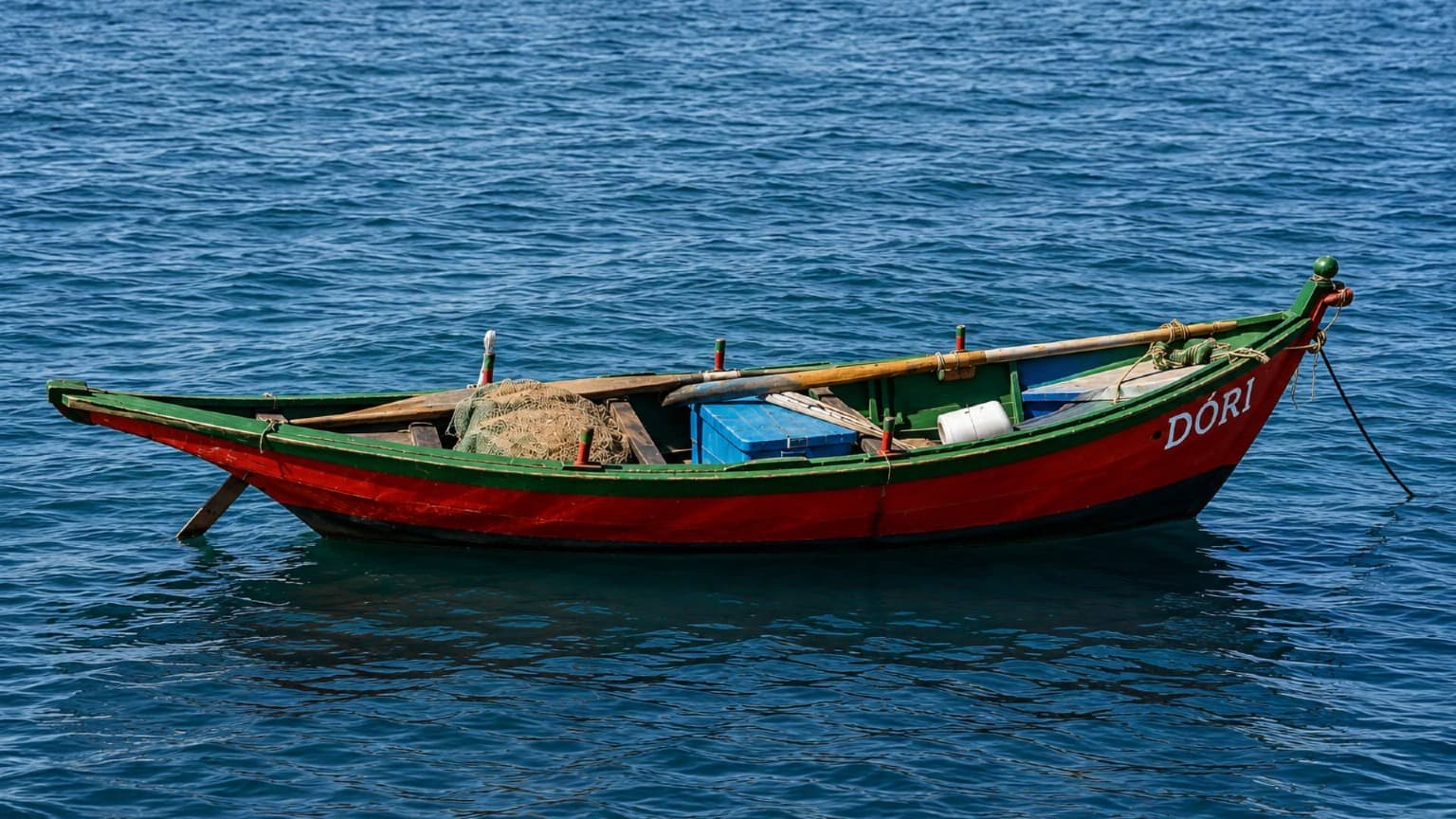
Each dóri carried a single fisherman who spent long hours catching cod by hand in the freezing waters of the North Atlantic.
Bacalhau and the Estado Novo
During the Estado Novo dictatorship (1933–1974), codfish became more than food.
The government regarded bacalhau as a strategic national resource and invested heavily in expanding the Portuguese cod fleet. Prices, labor, financing, and imports were closely regulated as part of a broader policy of economic self-sufficiency.
A major fleet renewal program increased the number of cod fishing vessels from 34 ships in 1934 to 77 by 1958. By the mid-twentieth century, Portuguese fleets supplied the majority of the country's cod consumption.
The regime also promoted the cod fisherman as a symbol of sacrifice, resilience, and national pride, linking the modern fishing campaigns with Portugal's maritime legacy and the spirit of the Age of Discoveries. The fishermen who volunteered for the cod fleet were exempt from military service, illustrating how strategically important the fleet was.
Why Is Bacalhau Called "The Faithful Friend"?
Perhaps no nickname captures Portugal's relationship with codfish better than O Fiel Amigo (The Faithful Friend).
For centuries, bacalhau was affordable, nutritious, easy to preserve, and available throughout the year. Unlike fresh fish, which depended on local catches and seasonality, codfish could reach inland communities and remain accessible to both rich and poor.
The expression "fiel amigo" appeared in Portuguese popular culture more than two centuries ago and remains widely used today. Historians generally attribute the nickname to codfish's reliability and its enduring presence at Portuguese tables.
Few foods have accompanied Portuguese families so faithfully through history.
Why Portuguese People Eat So Much Bacalhau
Portugal is the world's largest consumer of bacalhau per capita.
Although the country has a population of just over 10 million people, it accounts for approximately 20% of global bacalhau consumption. Every year, Portuguese consumers eat around 60,000 tonnes of codfish, averaging roughly 16 kilograms per person.
Few foods occupy such an important place in a nation's identity.
For many Portuguese families, bacalhau is not simply an ingredient but a tradition passed down through generations.
Several factors explain this extraordinary popularity:
• Centuries of maritime history
• Catholic religious traditions
• The remarkable versatility of codfish
• Strong family recipes passed from one generation to the next
• The influence of Portuguese communities around the world
Today, bacalhau remains one of the defining symbols of Portuguese gastronomy, connecting Portugal's past with its present.
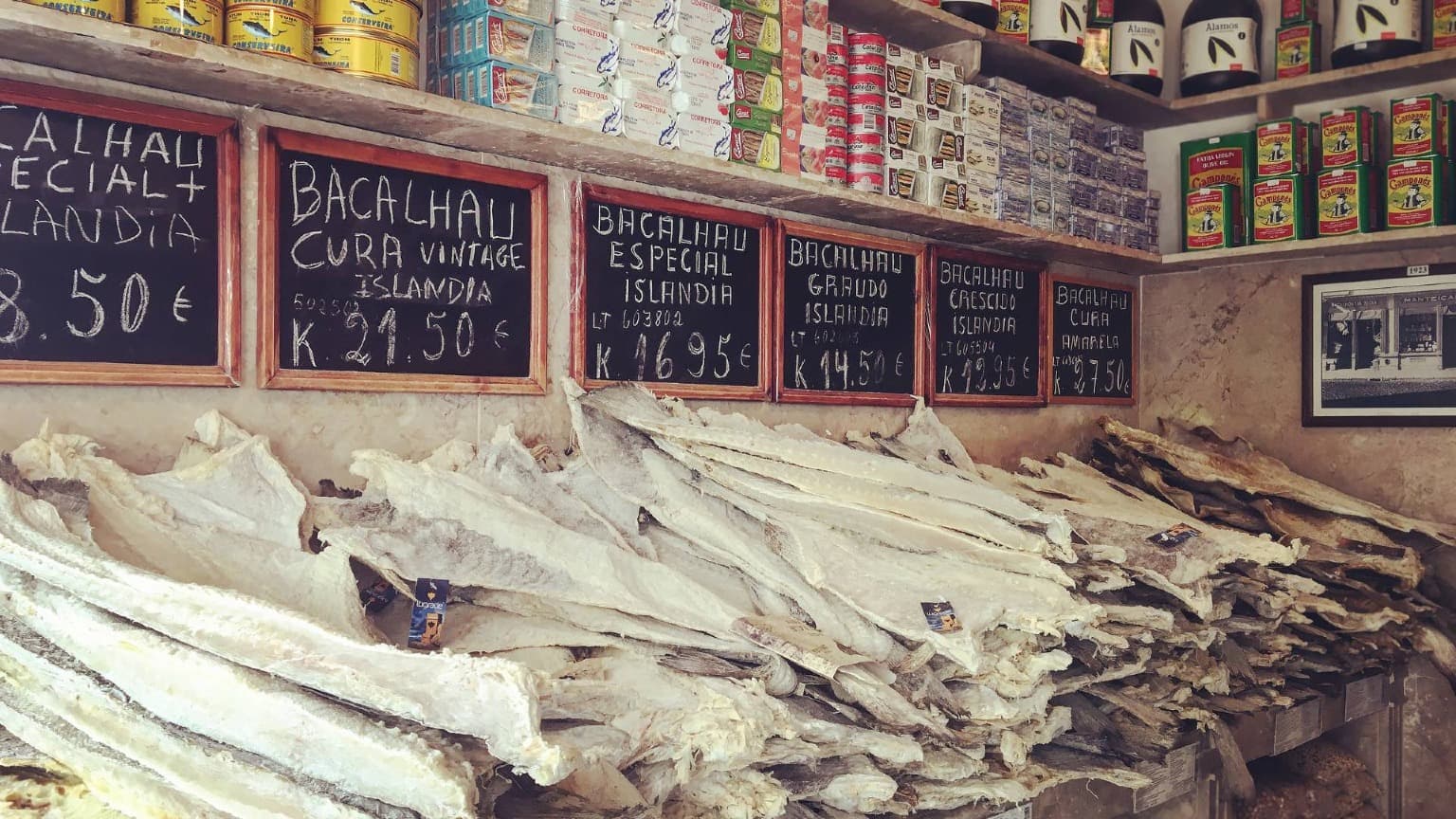
Salted bacalhau has been sold in Portuguese markets for centuries and remains a staple of the country's food culture.
Bacalhau at Christmas and Easter
Christmas Eve
For many Portuguese families, Christmas Eve dinner without bacalhau would be unthinkable.
This tradition dates back centuries and is closely linked to Catholic fasting practices. On the evening of December 24, before the celebration of Midnight Mass, meat was traditionally avoided. Bacalhau became the perfect alternative because it was affordable, widely available, nutritious, and easy to preserve throughout the year.
The traditional Christmas meal, known as Consoada, usually features boiled bacalhau served with potatoes, cabbage, carrots, eggs, and generous amounts of Portuguese olive oil. Families gather around the table before exchanging gifts, making bacalhau an essential part of one of Portugal's most cherished celebrations.
Although modern Christmas menus have become more diverse, millions of Portuguese families still consider bacalhau the centerpiece of Christmas Eve.
Easter
Bacalhau also plays an important role during Easter.
The Catholic observance of Lent, particularly Good Friday, encouraged abstinence from meat, making fish the preferred choice for many households. As codfish was widely available and could be stored for months, it naturally became one of Portugal's most important Easter dishes.
Today, many families continue this tradition by serving roasted or baked bacalhau during Holy Week, reinforcing its connection with Portugal's religious and cultural heritage.
How Bacalhau Is Prepared Before Cooking
Unlike fresh fish, traditional bacalhau cannot be cooked straight from the package.
Because it has been preserved in salt, it must first be rehydrated and desalted, a process that Portuguese families simply call demolhar o bacalhau.
The cod is placed in cold water, ideally with the skin facing upwards, and kept in the refrigerator for 24 to 72 hours, depending on the thickness of the fillets. During this period, the water should be changed every 8 to 12 hours to gradually remove excess salt while restoring the fish's natural texture.
Thicker loins require longer soaking than thinner pieces.
Proper soaking transforms the hard, dried cod into tender, flaky fish ready for cooking. Most Portuguese cooks consider this preparation just as important as the recipe itself, as it directly influences the final texture and flavor of the dish.
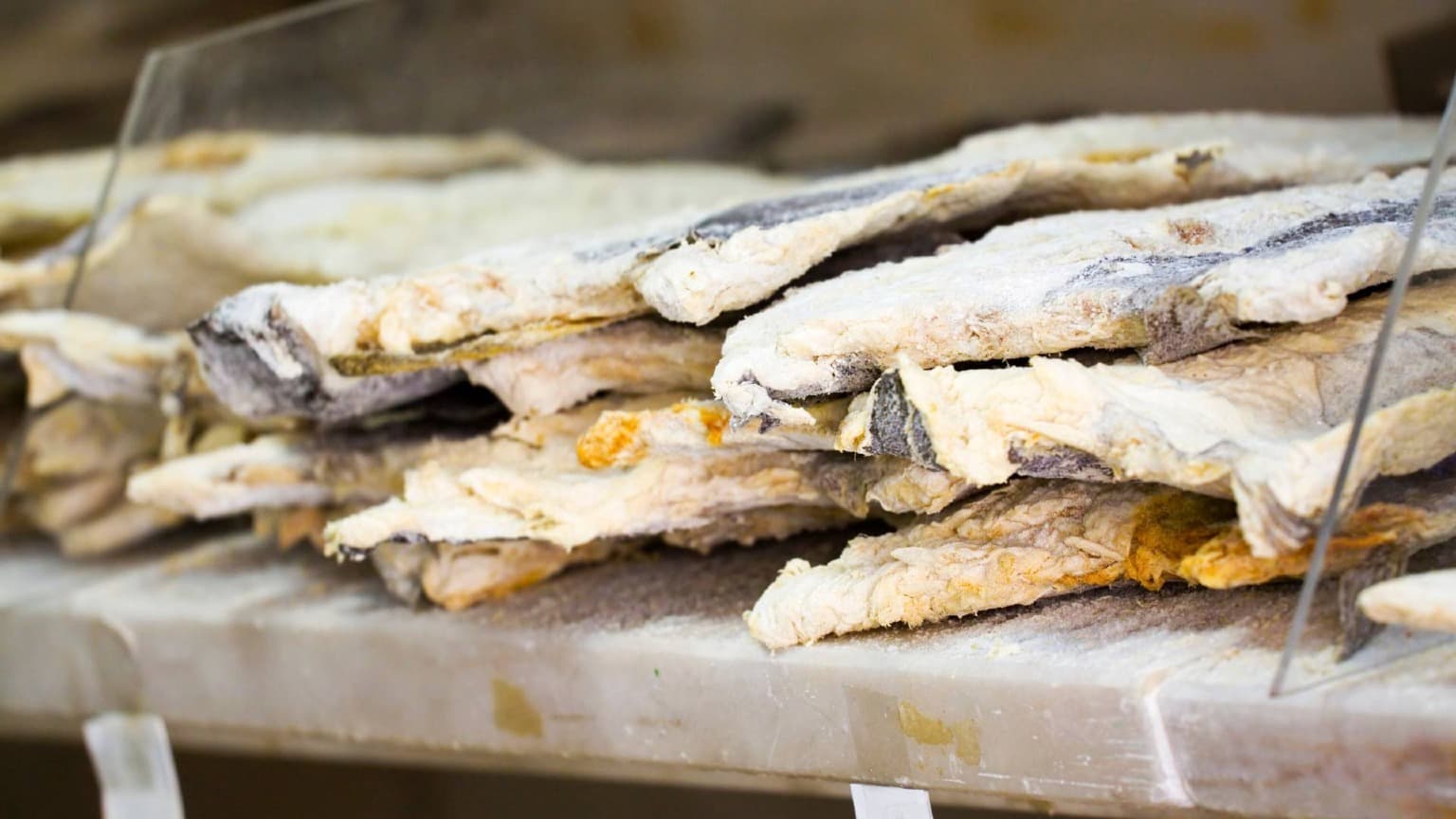
Before it reaches Portuguese kitchens, bacalhau is traditionally salted and dried, then soaked in water for up to three days before cooking.
Portugal's Most Famous Bacalhau Recipes
Portugal is famous for the saying that there are "1001 ways to cook bacalhau."
The expression doesn't literally mean there are exactly 1,001 recipes. Instead, it celebrates the extraordinary versatility of codfish and the countless regional and family variations that have developed over centuries.
While every Portuguese family has its own favorite recipe, a few dishes have become true national classics.
Bacalhau à Gomes de Sá
Created in Porto during the late nineteenth century by José Luís Gomes de Sá, the son of a codfish merchant, this elegant recipe combines shredded bacalhau with onions, thinly sliced potatoes, olive oil, boiled eggs, parsley, and olives.
It remains one of Porto's most iconic culinary creations and is widely served throughout Portugal.
Bacalhau à Zé do Pipo
Another dish born in Porto, Bacalhau à Zé do Pipo was created in 1940 by chef and restaurateur José Valentim, better known as Zé do Pipo.
The recipe combines fried codfish with mashed potatoes, mayonnaise, onions, and a golden gratinated topping. Today, it is one of the country's most recognizable comfort dishes.
Bacalhau à Brás
Originating in Lisbon's Bairro Alto district, Bacalhau à Brás mixes shredded codfish with finely cut fried potatoes, onions, scrambled eggs, parsley, and black olives.
Simple, comforting, and full of flavor, it has become one of Portugal's most internationally recognized dishes.
Bacalhau à Lagareiro
Perhaps the most visually striking of all Portuguese codfish recipes, Bacalhau à Lagareiro features roasted codfish served with smashed potatoes (batatas a murro), garlic, and generous amounts of extra virgin olive oil.
Although its exact origins remain uncertain, it is particularly associated with Northern Portugal and is now enjoyed across the country.
Bacalhau à Braga (or Bacalhau à Narcisa)
Originally created in Braga in 1930, this recipe features lightly fried codfish served with golden fried potatoes, sautéed onions, garlic, and peppers in olive oil.
The dish was first prepared at the historic Bacalhau à Narcisa restaurant and later became widely known as Bacalhau à Braga, making it one of Portugal's best-loved regional specialties.
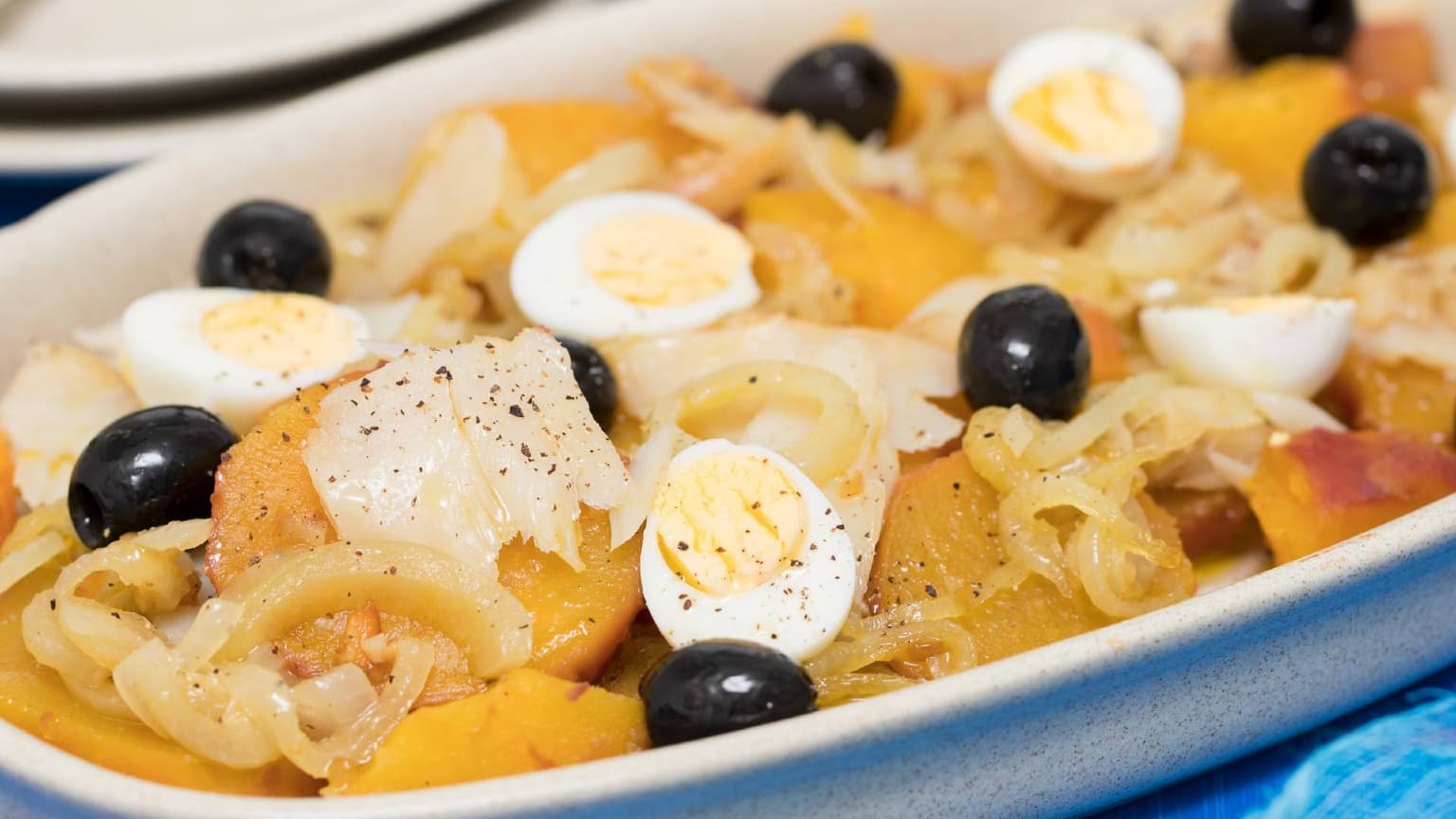
Bacalhau à Gomes de Sá, created in Porto during the 19th century, remains one of Portugal's most iconic codfish recipes.
Where to Learn More About Portugal's Codfish Heritage
Portugal's relationship with bacalhau extends far beyond the dining table.
Several museums preserve the remarkable story of the fishermen, ships, and communities that helped make codfish part of Portuguese identity.
Maritime Museum of Ílhavo
Located near Aveiro, the Maritime Museum of Ílhavo is considered Portugal's leading museum dedicated to the history of cod fishing.
Its exhibitions explore the history of the White Fleet, life aboard the fishing vessels, the famous dóri fishermen, and the cultural importance of bacalhau throughout Portuguese history.
Santo André Museum Ship
Moored beside the museum, the Santo André is one of Portugal's last surviving cod fishing trawlers.
Visitors can walk through the bridge, cabins, engine room, fish holds, and working areas to experience life aboard a traditional cod fishing vessel.
Gil Eannes Hospital Ship
Docked in Viana do Castelo, the Gil Eannes served as a floating hospital between 1955 and 1973, providing medical care and logistical support to Portuguese cod fishing fleets operating near Newfoundland and Greenland.
Today it is one of Portugal's most fascinating maritime museums and offers a unique insight into the human side of the cod fishing industry.
Together, these museums preserve not only Portugal's cod fishing history but also the lives of the men who crossed the North Atlantic in search of one of the country's defining foods.
Where to Eat Bacalhau in Portugal
Learning about bacalhau is one thing.
Sitting down at a Portuguese table and sharing a traditional codfish dish is something entirely different.
Whether you're visiting Porto, Lisbon, Braga, the Douro Valley, Madeira, or the Azores, tasting bacalhau is one of the best ways to experience Portugal's culinary identity.
Looking for restaurant recommendations? Read our guide to the best bacalhau restaurants in Portugal , where you'll discover traditional taverns, Michelin-recommended restaurants, family-run institutions, and modern interpretations of Portugal's national dish.
👉 If you're beginning your journey in Porto, join Cooltour Oporto's Porto Food Tour, where local stories, traditional recipes, and authentic Portuguese flavors come together in one unforgettable culinary experience.
👉 Looking to discover more regional flavors? Explore our food experiences across Portugal, from Porto and Lisbon to the Douro Valley, the Algarve, Madeira, and the Azores.
Discover Portugal Through Its Gastronomy
Bacalhau tells the story of Portugal like few other foods can.
It connects Viking traders, Basque fishermen, Portuguese explorers, North Atlantic cod fleets, religious traditions, family recipes, and modern restaurants in a single culinary journey that spans more than five centuries.
Whether you're enjoying Bacalhau à Gomes de Sá in Porto, Bacalhau à Brás in Lisbon, or a perfectly roasted loin in the Minho countryside, every dish reflects a small part of Portugal's history.
As you travel across the country, tasting bacalhau is far more than trying another local specialty. It's discovering one of the traditions that continues to unite generations of Portuguese people.
👉 Planning to explore Portugal beyond its cuisine? Discover our Portugal Travel Guides, covering Porto, Lisbon, Northern Portugal, the Douro Valley, the Algarve, Madeira, the Azores, and more to help you plan an unforgettable journey through Portugal.
Frequently Asked Questions
Written by Gonçalo Castanho, founder of Cooltour Oporto and a Porto-based tourism entrepreneur with over 20 years of experience creating immersive and responsible travel experiences across Portugal.