Vinho de Talha: Alentejo’s Ancient Amphora Wine Tradition
February 9, 2026
In Alentejo, wine is not only made but also lived. Vinho de Talha is one of Europe’s oldest continuous winemaking traditions, preserved in southern Portugal for more than 2,000 years. Fermented in large clay vessels known as talhas, this ancient method has never disappeared from local life, remaining part of homes, tabernas, and seasonal rituals across the region.
More than a wine style, Vinho de Talha is a cultural expression shaped by time, community, and a deep relationship between land and people.
👉 For travellers curious to explore beyond wine, our complete Alentejo Travel Guide covers the region’s villages, landscapes, gastronomy, and cultural heritage, providing essential context for understanding where Vinho de Talha comes from.
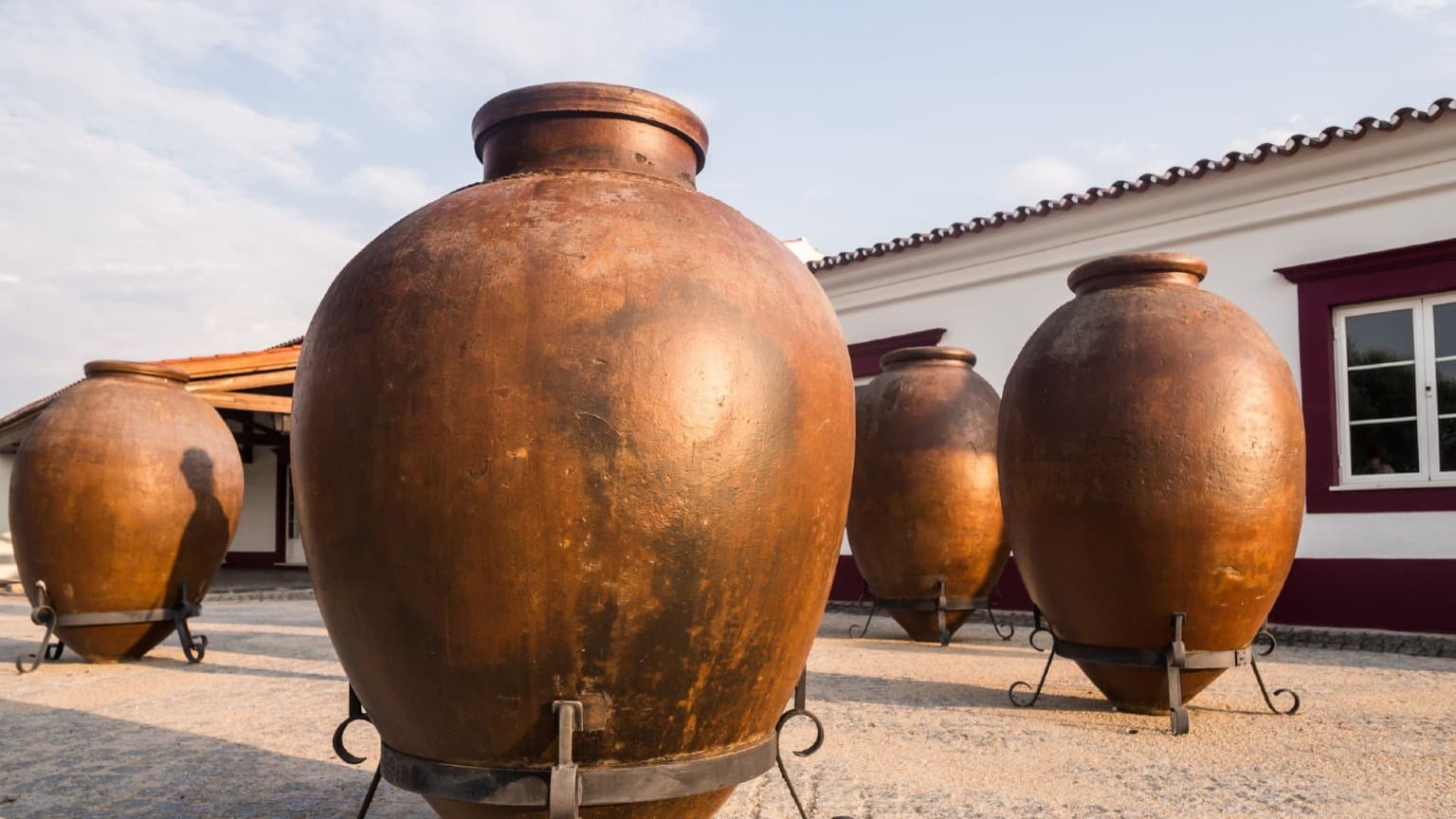
Clay amphorae used for vinho de talha wine production in traditional Alentejo wineries
The Ancient Alentejo Wine Tradition Still Alive Today
Portugal has many wine stories, but few are as old, raw, and deeply rooted in everyday life as Vinho de Talha. Rather than a defined wine style, it is a living tradition that connects present-day Alentejo with practices introduced during Roman times.
In a world dominated by stainless steel tanks, temperature control, and laboratory precision, Vinho de Talha stands apart. It embraces simplicity, accepts variation, and reflects the rhythms of rural life rather than industrial consistency.
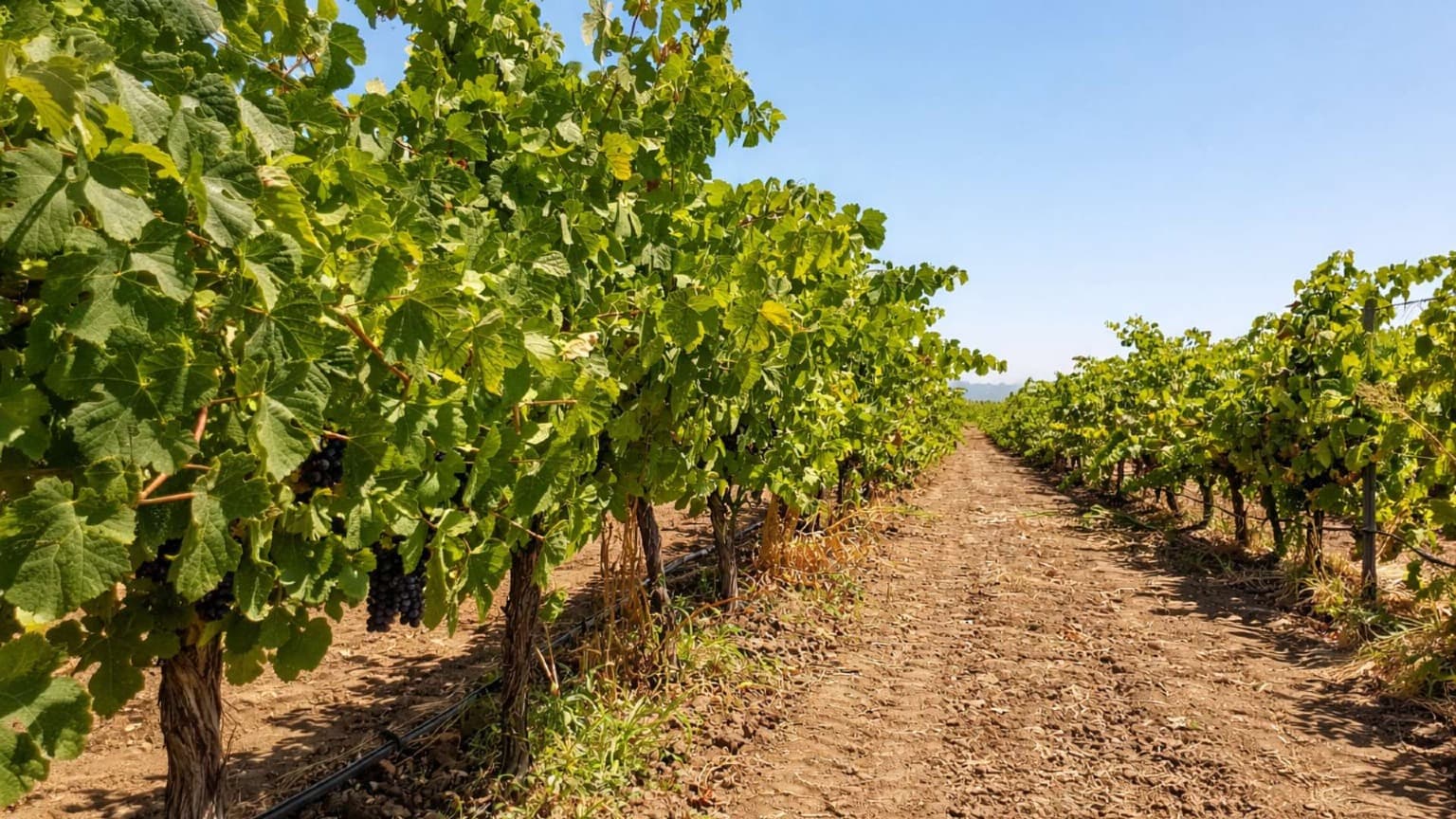
Traditional vineyards in the Alentejo wine region where vinho de talha is produced
What Is Vinho de Talha?
Vinho de Talha is a wine tradition rooted in Alentejo’s Roman past and preserved through uninterrupted local practice.
These clay vessels are not decorative objects or historical replicas, but functional tools still used in everyday winemaking. Grapes are crushed and placed directly into the talha, where fermentation begins naturally. Skins, seeds, and sometimes stems remain in contact with the wine, shaping its texture, structure, and personality.
The result is never a polished or uniform wine. Each talha produces something slightly different — expressive, earthy, and unmistakably tied to its place of origin.
A Winemaking Technique with Roman Roots
The origins of Vinho de Talha trace back to Roman settlement in the Iberian Peninsula, when clay amphorae were the primary vessels for fermenting, storing, and transporting wine.
While most European regions eventually abandoned amphora winemaking in favor of barrels and later industrial tanks, the Alentejo never fully let it go. The knowledge survived quietly, passed down through families and villages, long after it disappeared elsewhere.
Today, Vinho de Talha remains one of the rare examples of an ancient Roman amphora-based system still in continuous use.
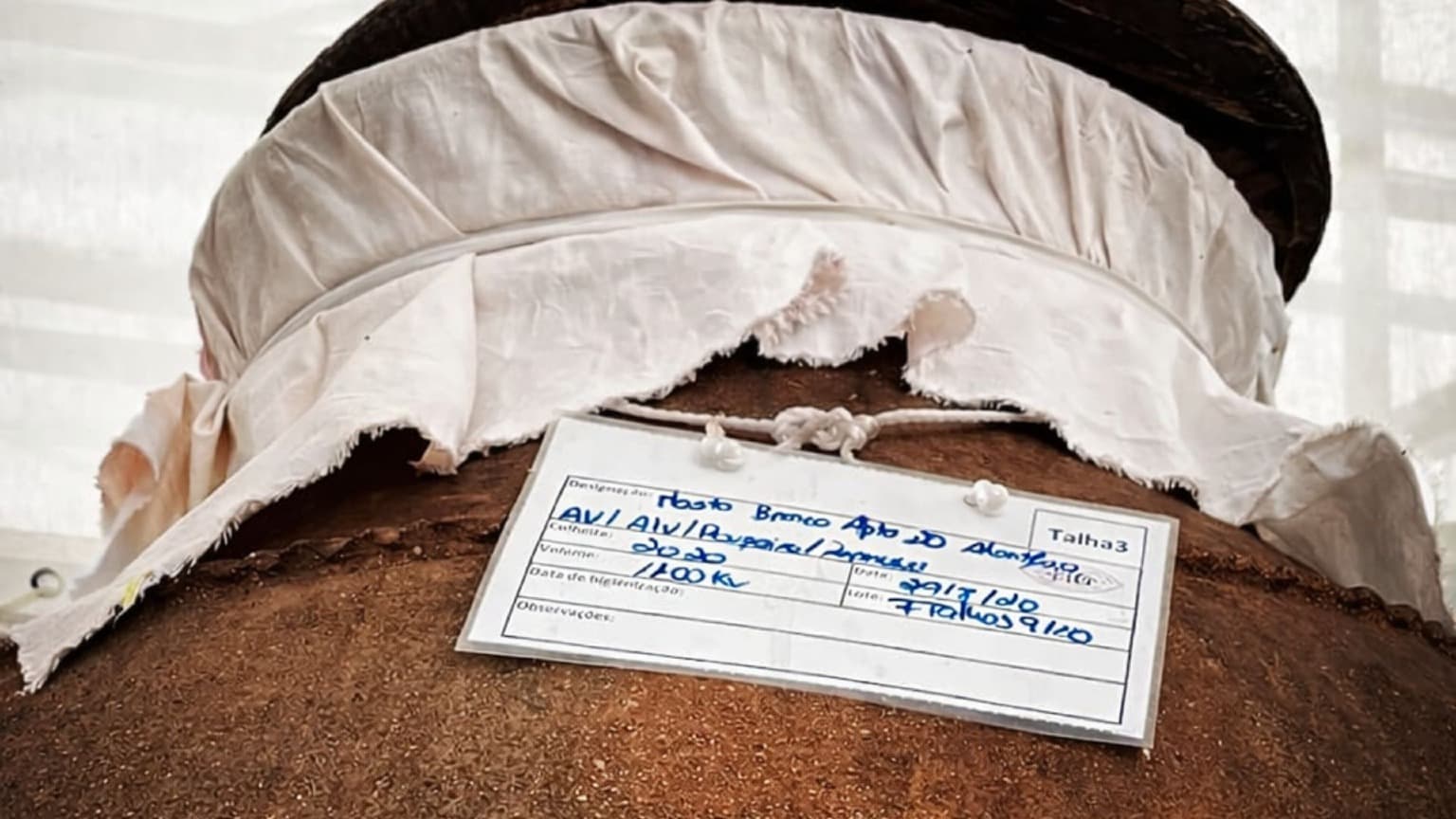
Clay talhas used for vinho de talha wine at Herdade Grande in Vidigueira Alentejo
How Vinho de Talha Is Made: Simply and Slowly
At its core, the process has changed very little:
• Grapes are harvested and crushed
• The must is placed inside the clay talha (amphora-style vessel)
• Fermentation starts naturally, without additives
• During fermentation, grape skins rise and are manually pushed back down
• After fermentation, solids settle at the bottom, acting as a natural filter
There is no rush, no technological shortcut, and very little manipulation. Time, gravity, and human hands do most of the work.
This slow, physical process is why no two talhas — and no two Vinho de Talha wines — are ever exactly the same.
Why Does Vinho de Talha Taste Different?
The clay vessel itself plays a central role in shaping the wine.
Like ancient amphorae, talhas are slightly porous, allowing gentle oxygen exchange during fermentation and ageing. This softens the wine while preserving freshness. Extended skin contact adds texture and savory depth, often resulting in herbal, earthy, or subtly wild aromas.
Vinho de Talha is rarely about precision. It is about balance, authenticity, and expression over control.
São Martinho and the Opening of the Talhas
Every year on November 11, the Alentejo celebrates São Martinho, the traditional moment when the talhas are opened and the new wine is tasted for the first time.
Across villages and towns, tabernas fill with locals sharing glasses of Vinho de Talha alongside roasted chestnuts, cured pork, local cheeses, and simple seasonal dishes.
This is not a staged festival or tourist reenactment. It is a living social ritual — and one of the most authentic moments to experience Alentejo culture.
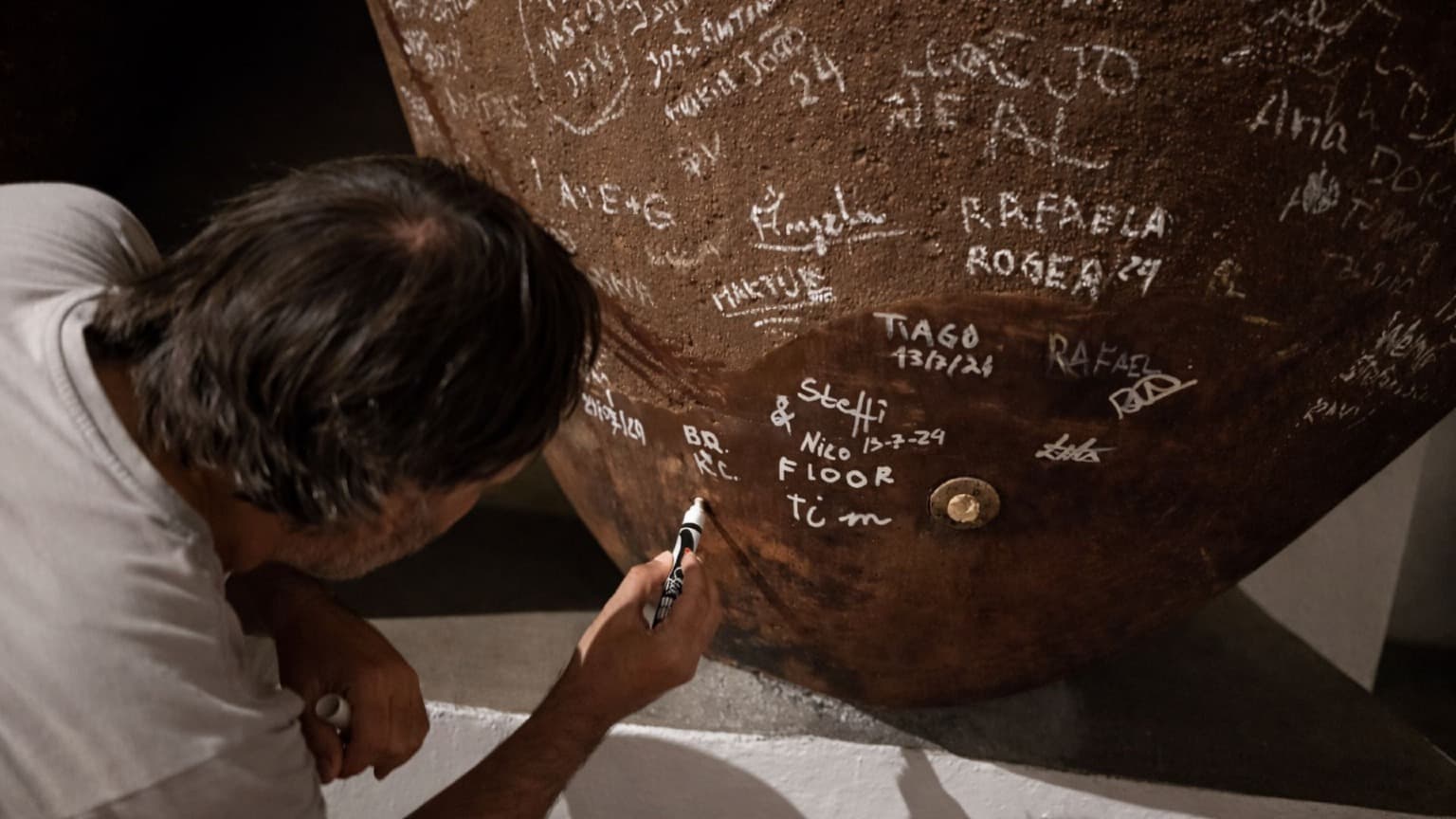
Winery visit showcasing traditional vinho de talha production in Alentejo Portugal
Where Vinho de Talha Lives Today
You can still find Vinho de Talha in:
• Family homes producing wine for personal consumption
• Traditional tabernas serving wine directly from the talha
• Small producers blending ancient amphora methods with modern knowledge
• Historic wineries that never abandoned clay fermentation
While interest in amphora and low-intervention wines has brought renewed attention, Vinho de Talha remains proudly local and unmistakably Alentejano.
Where to Experience Authentic Vinho de Talha in Alentejo
While Vinho de Talha is deeply rooted in homes and tabernas, a small number of places open their doors to visitors, offering rare insight into this ancient amphora wine tradition. These five stops are among the most meaningful to understand how talha wine lives today.
• Adega José de Sousa (Reguengos de Monsaraz, Alto Alentejo)
Often described as the largest and most important talha winery in Portugal, Adega José de Sousa preserves an extraordinary cellar with over 100 clay amphorae, some more than 200 years old. Still operating commercially since 1878, the winery produces renowned wines such as J de José de Sousa and José de Sousa Mayor. Visiting the cellar is an immersive experience, where monumental talhas, Roman inspiration, and archaeological elements coexist under one roof.
• Cella Vinaria Antiqua (Vila de Frades, Baixo Alentejo)
Located in the heart of Vila de Frades, Cella Vinaria Antiqua is a restored 19th-century cellar that functions both as an adega-museum and working talha winery. Managed by the Honrado family, it offers a rare blend of history, wine production, and taberna culture. Tastings are simple and authentic, often poured directly from the talha, making it one of the most atmospheric places to encounter traditional amphora wine.
• Centro Interpretativo do Vinho de Talha (Vila de Frades, Baixo Alentejo)
Opened on São Martinho in 2020, this interpretative center provides the most complete cultural introduction to Vinho de Talha. Through immersive exhibitions, soundscapes, aromas, and augmented reality, visitors follow the full cycle of talha wine — from Roman origins and vineyard work to fermentation, tabernas, and communal rituals. It is an essential stop to understand the intangible heritage behind the wine.
• Casa das Talhas (Vidigueira, Baixo Alentejo)
Operated by the Adega Cooperativa da Vidigueira, Cuba e Alvito, Casa das Talhas is dedicated to showcasing the roots and evolution of talha wine. Experiences range from simple tastings to full cultural programs that combine amphora wines, historic visits, traditional gastronomy, and live cante alentejano. It is one of the best places to connect wine, identity, and contemporary Alentejo life.
• Herdade do Rocim (Cuba, Baixo Alentejo)
Herdade do Rocim blends modern winemaking with a strong commitment to talha traditions. Visitors can explore its amphora cellar, learn about ancient fermentation methods, and visit the nearby Roman ruins of São Cucufate. The estate is also known for its annual opening of the talhas during São Martinho and for hosting international amphora wine gatherings, positioning Vinho de Talha within a global context.
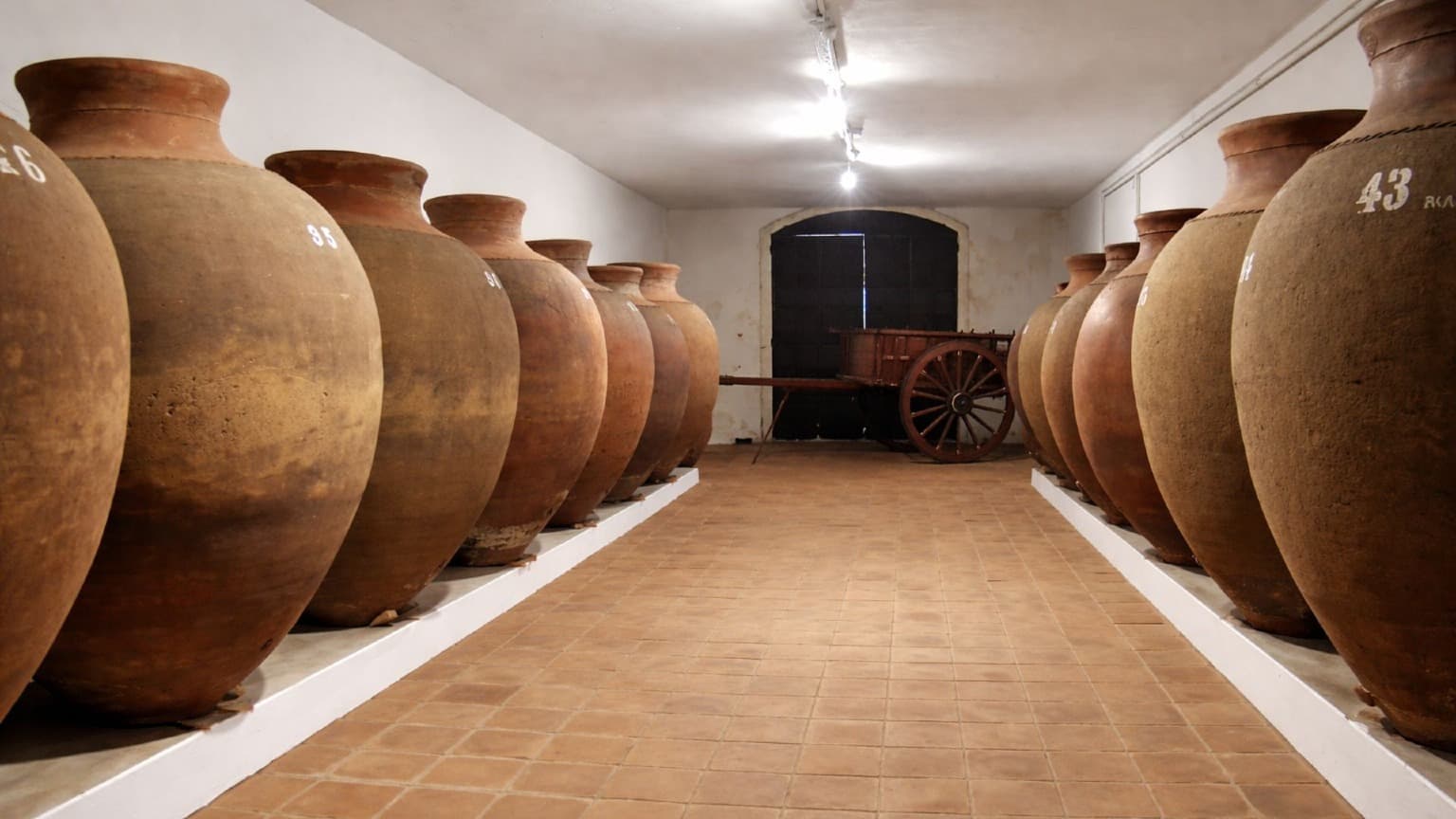
Wine cellar with clay amphorae at Adega José de Sousa showcasing vinho de talha tradition in Alentejo
Why Vinho de Talha Matters When Travelling in Portugal
To taste Vinho de Talha is to experience a different rhythm of life — shaped by seasons, shared labour, and community.
For travellers seeking more than landmarks, it offers something rare: a direct, tangible link between history, landscape, and daily culture. This is not wine as a trend, but wine as continuity.
It invites you to slow down, sit at the table, and drink something that truly belongs where it is made.
👉 To experience this tradition at a slower pace, our curated guide to eco-friendly stays in Alentejo highlights rural wine estates, countryside lodgings, and sustainable accommodations closely connected to local life and vineyards.
Frequently Asked Questions about Vinho de Talha
Written by Gonçalo Castanho, founder of Cooltour Oporto and a Porto-based tourism entrepreneur with over 20 years of experience creating immersive and responsible travel experiences across Portugal.