Discover Alentejo: White Villages, Wine Country & Wild Coast
December 3, 2025
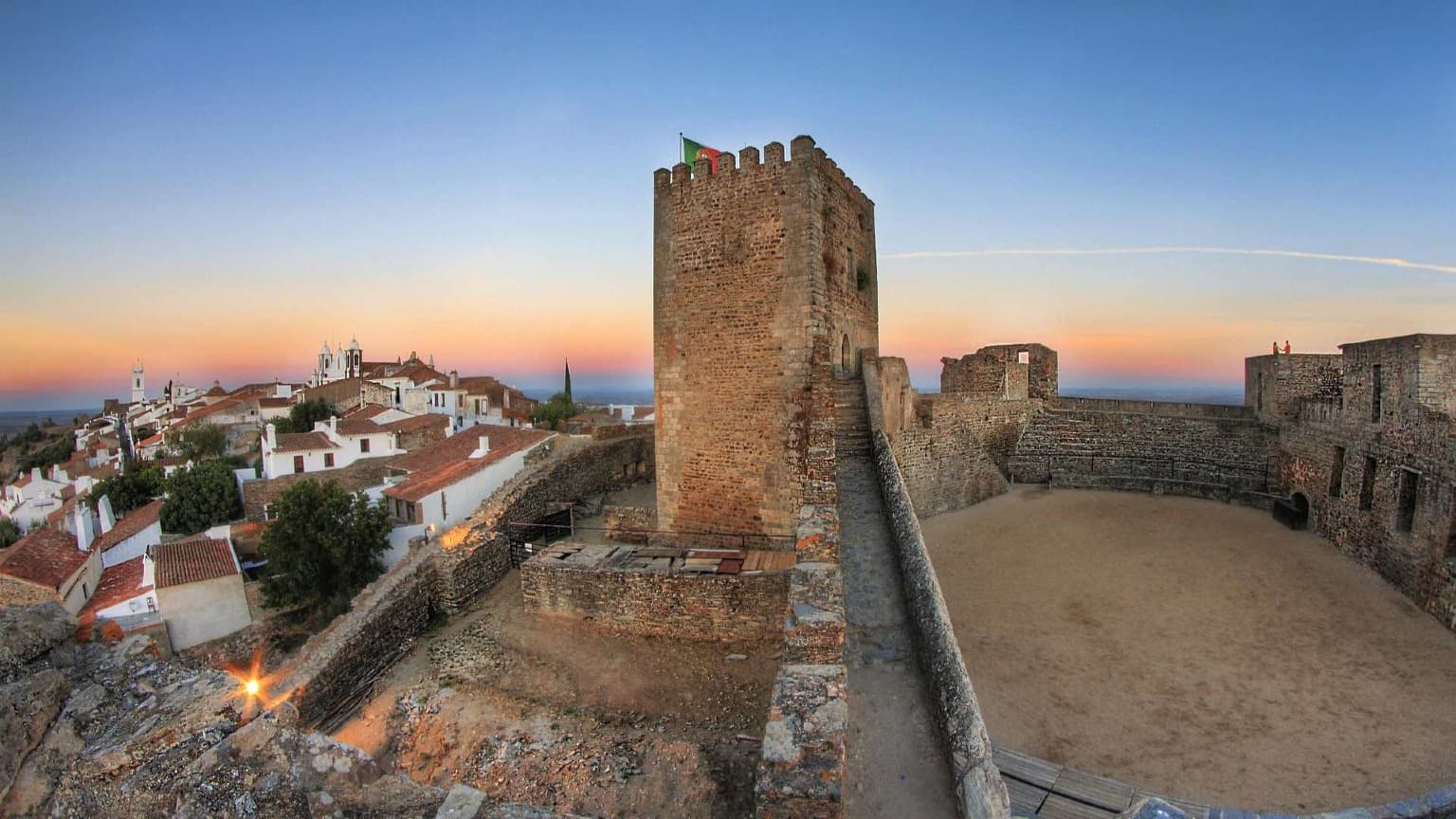
Monsaraz at sunset: cobbled alleys, sweeping lake views and one of Alentejo’s most atmospheric medieval castles.
The Alentejo is Portugal’s slow-travel heartland, a vast region of golden plains, cork-oak forests, olive groves, medieval hilltop towns and Atlantic cliffs stretching from the Tejo River to the Algarve. Known for its quiet beauty, rural heritage and deep cultural roots, the Alentejo invites travelers to slow down, savour its flavours and experience Portugal at its most authentic.
From wandering the UNESCO streets of Évora to stargazing above Lake Alqueva, from exploring whitewashed villages like Monsaraz and Marvão to hiking along the wild Costa Vicentina, the Alentejo blends history, nature and gastronomy in a way that feels both timeless and deeply grounding.
👉 If you haven’t booked your stay yet, discover our selection of the Best Eco Hotels & Sustainable Stays in Alentejo, featuring carefully selected rural retreats, wine estates, boutique lodges and off-grid hideaways across the region.
Whether you're planning a cultural escape, a wine journey, a road trip through historic villages or a few quiet days surrounded by nature, the Alentejo rewards travelers who give the region time to reveal itself.
👉 Planning to explore more of Portugal? Discover our Portugal Travel Guides, where we explore the country region by region, or continue your journey with our complete guides to Lisbon, Setúbal, Central Portugal and the Algarve.
Highlights of the Alentejo & Best Things to Do
Évora: UNESCO History at Every Corner
The jewel of the Alentejo and a UNESCO World Heritage city, Évora is one of Portugal’s most captivating historic centers, a place where Roman temples, medieval walls, whitewashed houses and Gothic monuments coexist in harmony. Often called an open-air museum, the city is a perfect blend of cultural heritage, architectural beauty and Alentejo authenticity.
Its compact size makes it ideal for slow wandering: stroll through narrow cobbled streets, discover centuries-old churches, enjoy relaxed terraces, and taste traditional dishes in family-run taverns, all surrounded by the region’s warm, golden light.
Top Things to See in Évora
• Roman Temple of Évora (Temple of Diana) – A remarkably well-preserved Roman monument from the 1st century AD, standing proudly at the city’s highest point and offering one of Évora’s most iconic photo spots.
• Sé Cathedral & Rooftop Viewpoint – The largest medieval cathedral in Portugal. Visit the interior, cloisters, and rooftop terrace for sweeping views over Évora’s terracotta rooftops, distant plains and the vast Alentejo horizon.
• Chapel of Bones (Capela dos Ossos) – A 16th-century chapel built using thousands of human bones and skulls, designed by Franciscan monks to reflect the era’s spiritual reflections on life and mortality. A striking and unforgettable landmark.
• Évora Aqueduct (Aqueduto da Água de Prata) – A Renaissance engineering masterpiece stretching for miles beyond the city. Inside the old town, houses, shops and cafés are ingeniously built between its arches, a unique sight blending architecture and daily life.
• University of Évora (1559) – Portugal’s second-oldest university, founded in 1559, with a beautifully preserved 16th-century cloistered campus. Explore azulejo-lined classrooms, baroque halls and the historic academic courtyard that reflects centuries of scholarly tradition.
👉 Want to discover Évora beyond its monuments? Explore the city with a local guide on our Private Évora Walking Tour, uncovering its UNESCO-listed heritage, local stories and hidden corners along the way.
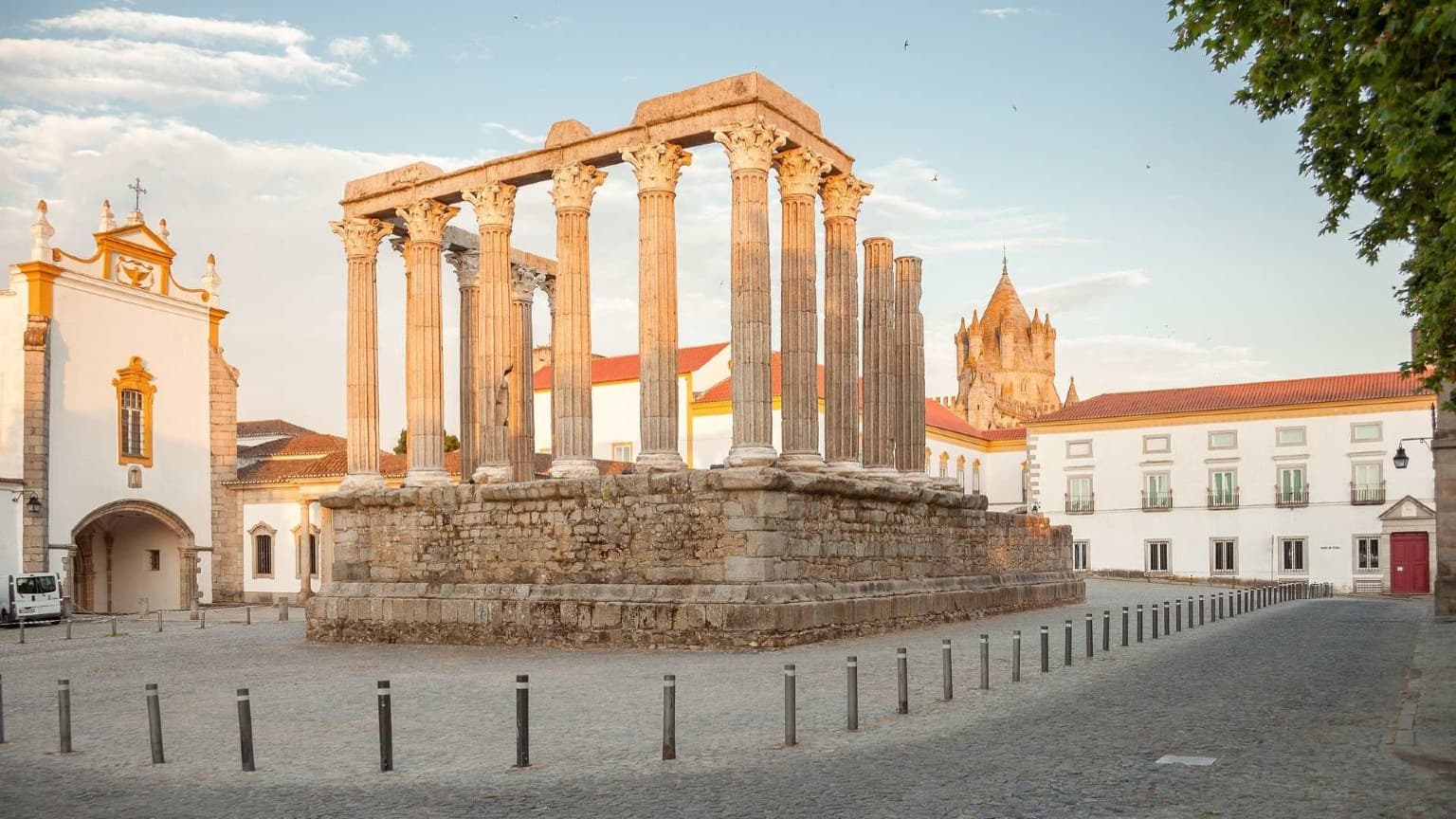
The Roman Temple of Évora: Portugal’s best-preserved Roman monument and a UNESCO city landmark.
Monsaraz & Alqueva: Medieval Walls, Lake Views & Star-Filled Skies
Rising above the Alentejo plains, Monsaraz is one of Portugal’s most atmospheric hilltop villages, a whitewashed medieval fortress where time moves slowly and the horizon stretches endlessly over vineyards and the great Alqueva Lake. Its cobbled lanes, granite walls, and sweeping viewpoints make it one of the region’s most unforgettable stops.
Top Things to See in Monsaraz & Alqueva
• Monsaraz Castle – A perfectly preserved fortress offering panoramic views across the plains and Alqueva, Europe’s largest artificial lake.
• Alqueva Dark Sky Reserve – The world’s first Starlight Tourism Destination, famous for crystal-clear night skies and astronomy experiences.
• Cromeleque do Xerez – A unique 5,000-year-old stone circle located just outside the village, one of Alentejo’s most intriguing megalithic sites.
💡 Hidden Gem: Stay until sunset, the village walls overlook one of the most striking golden-hour panoramas in Portugal, with the lake glowing in deep oranges and soft blues.
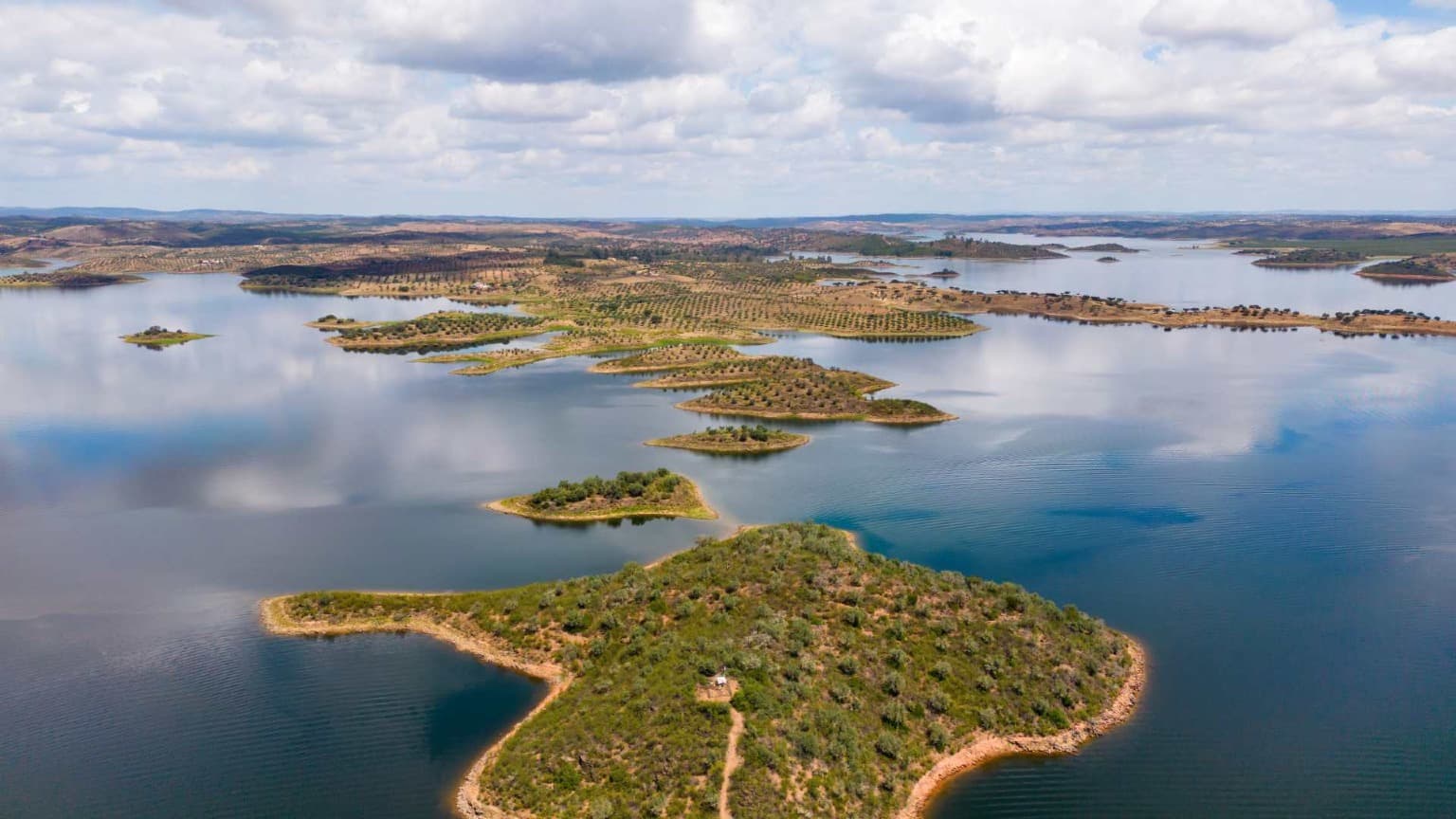
Alqueva Lake: Europe’s largest artificial lake, known for starlit skies and serene landscapes.
Marvão & Castelo de Vide: Hilltop Fortresses on the Spanish Border
Set high in the Serra de São Mamede mountains, Marvão and Castelo de Vide are two of Portugal’s most dramatic medieval villages, stone fortresses suspended above valleys, oak forests, and the distant Spanish plains. This remote northern corner of Alentejo is a paradise for history lovers, hikers, and anyone seeking quiet landscapes with remarkable heritage.
Top Things to See in Marvão & Castelo de Vide
• Marvão Castle – A spectacular granite fortress clinging to a narrow ridge, offering some of the widest panoramic views in Portugal.
• Castelo de Vide – Wander through the beautifully preserved Jewish Quarter, medieval lanes, and one of the best-kept synagogues on the Iberian Peninsula.
• Serra de São Mamede Natural Park – Cool, forested landscapes perfect for peaceful hikes, birdwatching, and exploring rural villages hidden among the hills.
💡 Hidden Gem: Visit in spring, the mountain slopes explode with wildflowers, turning the entire region into a colourful natural amphitheatre.
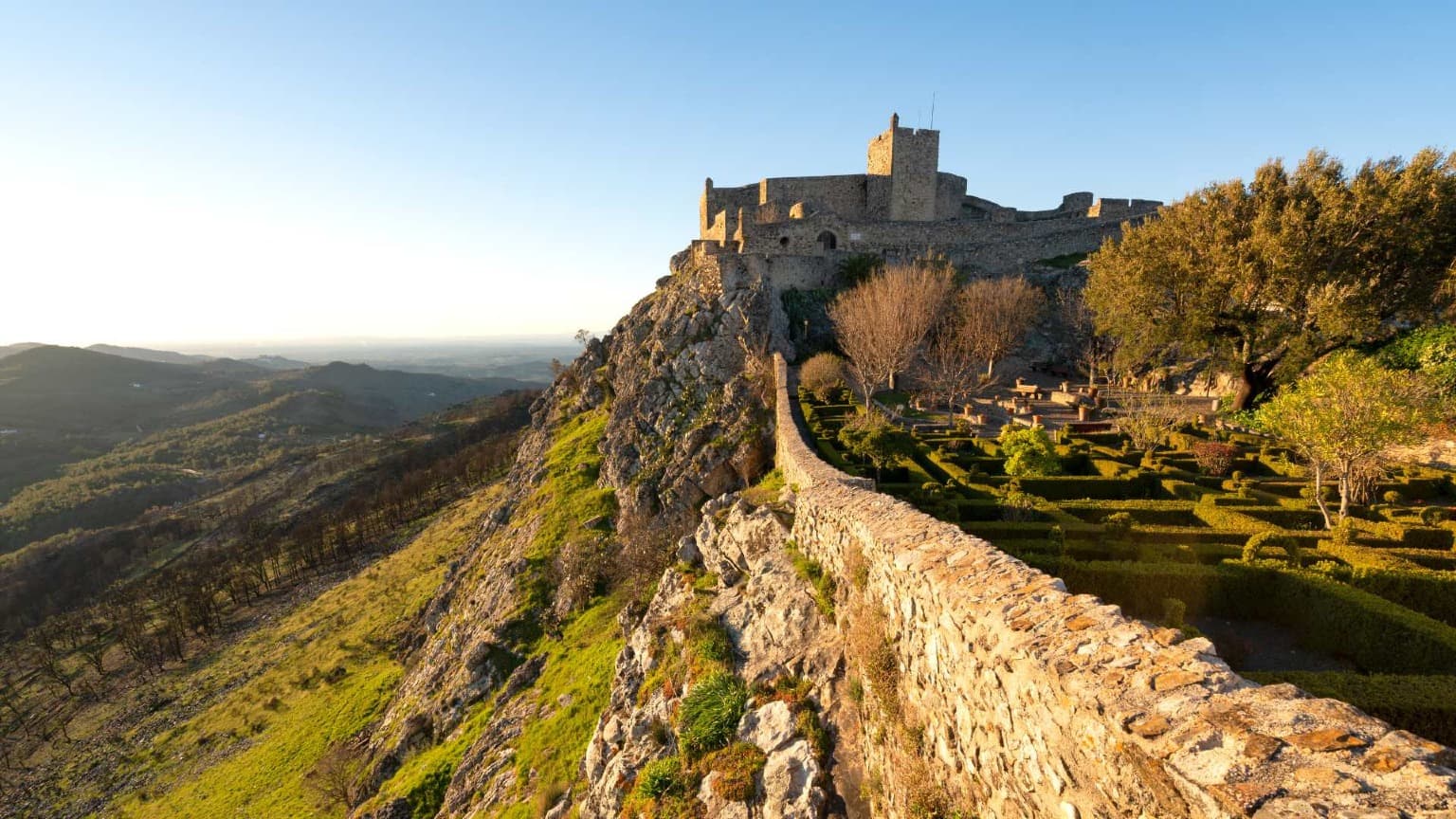
Marvão Castle: one of Portugal’s most spectacular hilltop fortresses, perched above the Serra de São Mamede.
Vila Viçosa & Estremoz: The Marble Capitals of the Alentejo
In the heart of the Alentejo interior, Vila Viçosa and Estremoz stand out as two of Portugal’s most refined towns, shaped by royal heritage, Renaissance architecture, and the gleaming marble that has defined the region for centuries. Known as part of the “Marble Triangle,” these towns blend history, craftsmanship, and understated elegance.
Top Things to See in Vila Viçosa & Estremoz
• Paço Ducal de Vila Viçosa – A grand Renaissance palace and former seat of the Bragança dynasty, featuring lavish rooms, museums, and marble façades.
• Estremoz Castle & Saturday Market – Explore medieval walls, artisan ceramics, antiques, and regional products in one of Alentejo’s most iconic markets.
• Marble Quarries – Visit the striking open-air quarries that created the region’s signature “white mountains,” still used in architecture across Portugal.
💡 Hidden Gem: Experience a marble-aged wine tasting, an innovative local technique where wines mature in marble tanks, blending tradition with modern craftsmanship.
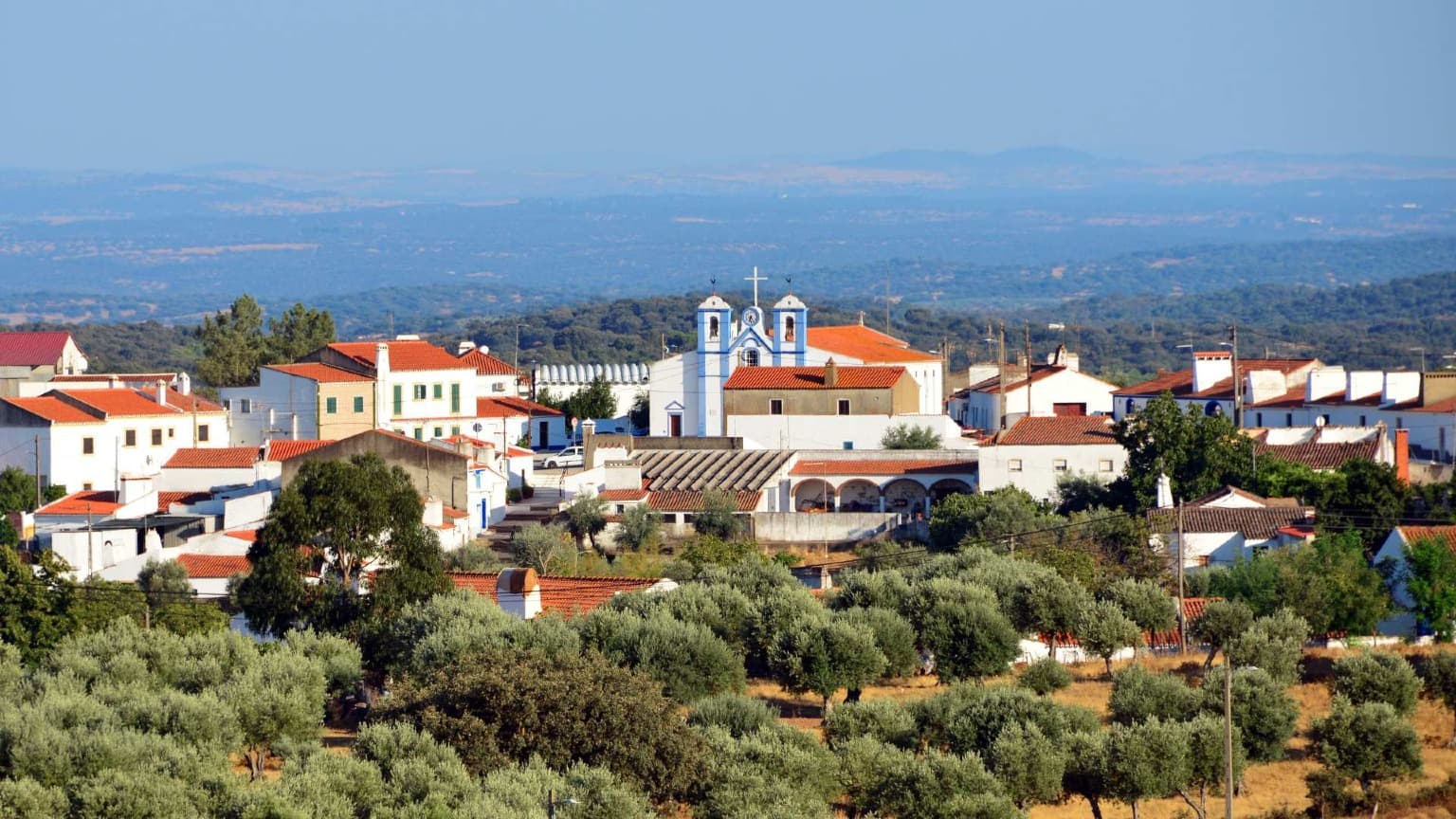
Vila Viçosa: Renaissance palaces, marble façades and one of the most elegant towns in the Alentejo interior.
Costa Vicentina: Portugal’s Wild Atlantic Southwest
Stretching along the Alentejo’s rugged coastline, the Costa Vicentina is one of Europe’s last truly unspoiled shores, a protected paradise of cliffs, turquoise coves, fishing villages, and pristine hiking trails. Ideal for beach lovers, photographers, surfers, and slow travelers, this dramatic coastal region feels both remote and deeply authentic.
Top Coastal Highlights
• Porto Covo – Whitewashed charm, turquoise coves, and access to scenic fisherman paths along the Atlantic.
• Vila Nova de Milfontes – Golden beaches along the Mira River, perfect for swimming, kayaking, and family-friendly days by the water.
• Zambujeira do Mar – A clifftop village with breathtaking ocean views and some of the region’s most unforgettable sunsets.
💡 Traveler Tip: Walk a section of the Rota Vicentina, one of Europe’s best coastal trails, linking Alentejo and Algarve through dunes, cliffs, and wild Atlantic scenery.
Looking to go further down the coast?
The Costa Vicentina continues seamlessly into the Algarve, where dramatic cliffs, sheltered coves and iconic beaches await. You’ll find a full selection of the southern highlights: from Arrifana to Sagres and the golden sands of Lagos, in our Algarve Travel Guide on Cooltour Oporto’s Travel Guides page.
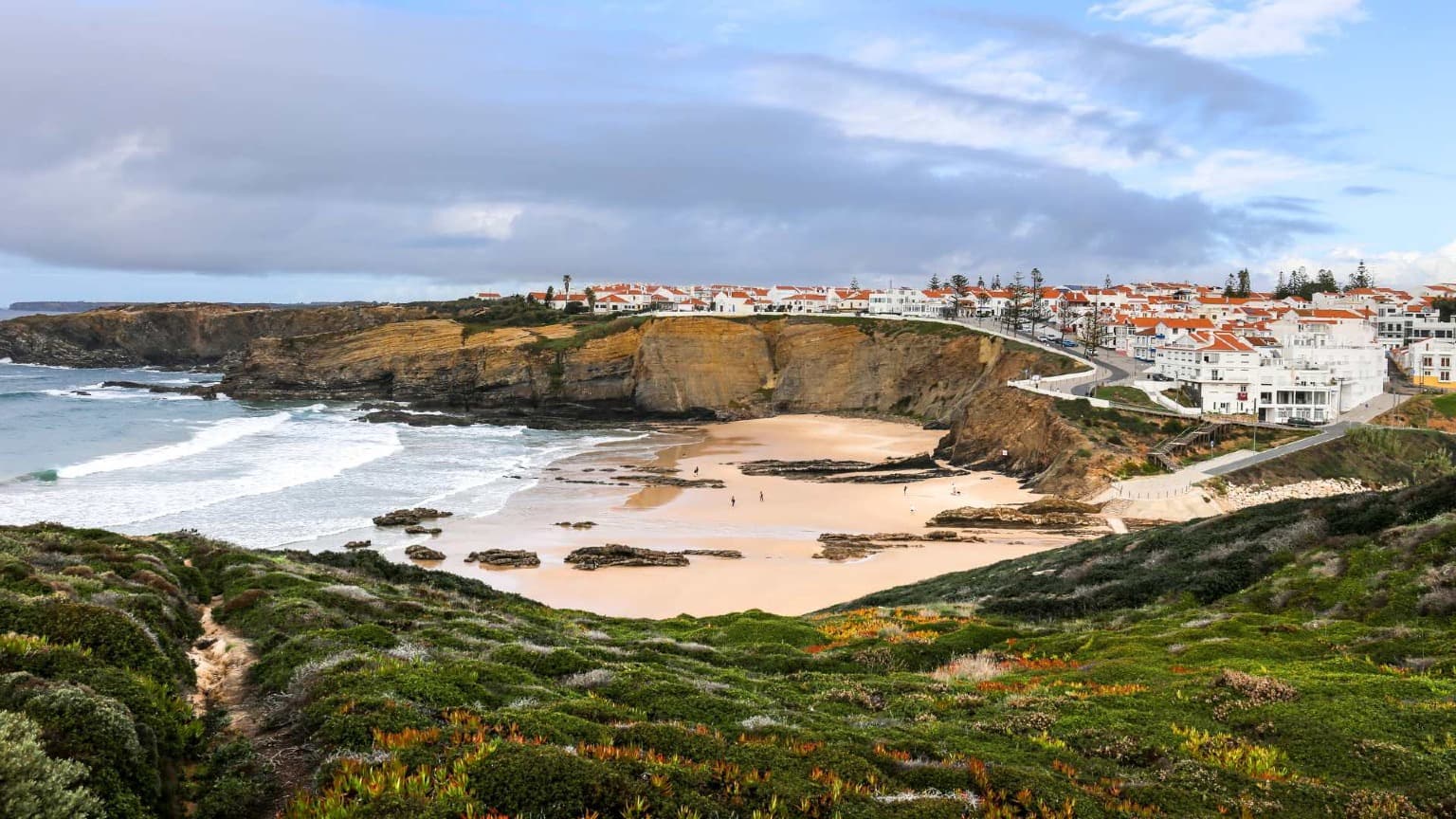
Zambujeira do Mar: dramatic cliffs, turquoise waters and one of the most iconic views of the Costa Vicentina.
Gastronomy of the Alentejo
Alentejo cuisine is rustic, bold, and deeply tied to local ingredients.
Signature dishes
• Carne de Porco à Alentejana – A classic combination of marinated pork, clams, garlic, white wine and fresh coriander, blending land and sea flavours.
• Açorda Alentejana – Bread soup with garlic, coriander, olive oil and poached egg.
• Migas Alentejanas – Rustic bread dish with olive oil and garlic, traditionally served with pork or lamb.
• Ensopado de Borrego – Slow-cooked lamb stew rich in herbs and regional flavours.
• Porco Preto – Black pork specialties prepared from griddle-seared cuts to slow-roasted dishes.
• Presunto do Alentejo – Dry-cured ham from Alentejo’s black pigs, prized for its intense flavour and delicate, silky texture.
• Queijo de Nisa & Serpa – Intense sheep cheeses with creamy to semi-soft textures.
• Vinho do Alentejo – Renowned for its red blends and fresh whites from top wine regions such as Estremoz, Borba, Reguengos, Évora and Vidigueira.
💡 Traveler Tip: Choose rural taverns and family-run wineries for the most authentic experience.
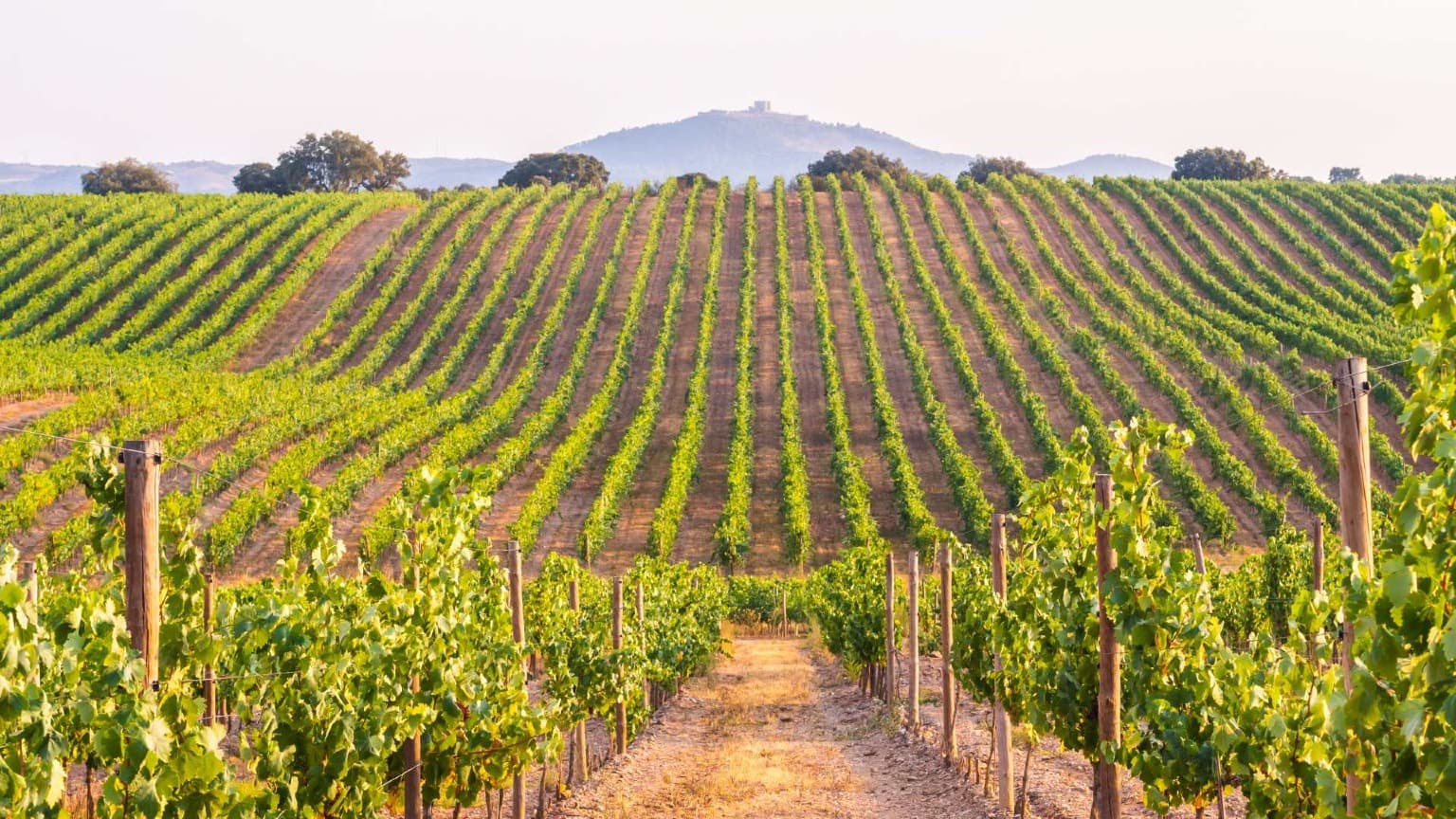
Vila Santa vineyards: the rolling terroir of João Portugal Ramos, one of the Alentejo’s leading wine estates.
Top 26 Alentejo Restaurants
Where Tradition, Ingredients & Regional Identity Lead Every Dish
From vast golden plains to forested hills and dramatic Atlantic cliffs, the Alentejo is one of Portugal’s great gastronomic strongholds. Slow-cooked recipes, olive oil-rich dishes, black pork specialties, artisan cheeses, and robust wines define a cuisine that is simple yet deeply expressive.
This curated list of the Top 26 Alentejo Restaurants highlights the very best the region has to offer, from rustic taverns and family-run eateries to modern fine dining concepts inside vineyards, estates, and medieval villages.
This restaurant's best of lists are organised by region (West, Central, East) and then from north to south, mirroring how a traveller would naturally explore the Alentejo.
West Alentejo – Coastal & Vicentine Coast
• Tasca do Celso (Vila Nova de Milfontes) – Rustic favourite renowned for exceptionally fresh fish and authentic regional cooking.
• Yabalulu (Vila Nova de Milfontes) – Beachfront, bohemian restaurant offering Mediterranean and vegetarian dishes with a relaxed vibe.
• Destilaria do Ferrador (São Luís, Odemira) – Traditional Alentejo flavours elevated by high-quality ingredients in a charming village setting.
• Marisqueira Costa Alentejana (Zambujeira do Mar) – Iconic seafood house famous for its daily catch and Atlantic flavours.
• Herdade do Touril (Zambujeira do Mar) – Farm-to-table gastronomy inspired by coastal produce inside the Vicentine Coast Natural Park.
East Alentejo – Alto & Baixo Alentejo & Border Region
• A Confraria (Castelo de Vide) – Welcoming, rustic tavern serving hearty Alentejo classics.
• Ninho D’Águias (Marvão) – Traditional restaurant inside Marvão Castle with panoramic views and refined regional dishes.
• FAO (Marvão) – Contemporary Mediterranean fine dining focused on seasonal, local ingredients.
• Mil Homens (Portagem, Marvão) – Historic spot serving authentic Portuguese and Alentejo comfort food.
• Solar do Forcado (Portalegre) – Traditional restaurant in the old centre offering reliable regional specialities.
• Acontece (Elvas) – Multi-floor modern concept with rooftop terrace and Mediterranean-Portuguese cuisine.
• Taberna do Adro (Vila Fernando, Elvas) – Small, family-run gem offering high-quality home-style Alentejo dishes.
• Mercearia Gadanha (Estremoz) – Gourmet shop and intimate dining room serving creative dishes using regional products.
• Legacy Winery – Herdade das Servas (Estremoz) – Elegant food-and-wine experience for lovers of refined Alentejo gastronomy.
• Herdade do Esporão (Reguengos de Monsaraz) – Michelin-starred estate restaurant offering seasonal, modern cuisine.
• Sahida (Reguengos de Monsaraz) – Restaurant-bar inside Monsaraz Castle with stunning views and excellent wines.
• Alentejo (Mértola) – Traditional eatery with simple décor serving honest regional food in a historic riverside town.
Central Alentejo – Heartland & Wine Country
• Poda (Montemor-o-Novo, Évora) – Contemporary restaurant showcasing high-quality Portuguese cuisine inspired by local produce.
• Taberna Típica Quarta-feira (Évora) – Small, cosy tavern offering traditional flavours in an intimate setting.
• Vinho e Noz (Évora) – Rustic Évora classic serving quality regional dishes with warm hospitality.
• O Templo (Évora) – Budget-friendly tavern known for traditional Alentejo cooking.
• Quinta do Quetzal (Vidigueira, Évora) – Vineyard restaurant with refined, contemporary cuisine by Chef João Mourato.
• Adega Ribafreixo Wines (Vidigueira, Évora) – Restaurant overlooking estate vineyards, pairing traditional dishes with Ribafreixo wines.
• Dom Dinis (Beja) – Near Beja’s Castle, known for excellent meat dishes and timeless recipes.
• Campo do Caroço (Albernoa, Beja) – Home-style restaurant serving classic Alentejo comfort food.
• Herdade Malhadinha Nova (Albernoa, Beja) – Sustainable fine dining experience blending contemporary cuisine with rural heritage.
Hidden Gems of the Alentejo
• Cromeleque dos Almendres (Évora) – One of Europe’s largest and oldest megalithic circles, older than Stonehenge and surrounded by peaceful cork-oak landscapes.
• Mértola – A riverfront village where Roman, Moorish and Christian heritage blend seamlessly; perfect for slow walks through medieval streets.
• Serra de São Mamede Natural Park – A forested mountain reserve in the northern Alentejo, ideal for quiet hikes, birdwatching and panoramic viewpoints.
• Alvito & Cuba – Two small towns offering whitewashed alleys, Manueline architecture and a glimpse of everyday Alentejo life away from tourist routes.
💡 Traveler Tip: The Alentejo’s most authentic corners are spread across small villages and rural roads. Renting a car is the best way to explore its hidden gems at your own pace.
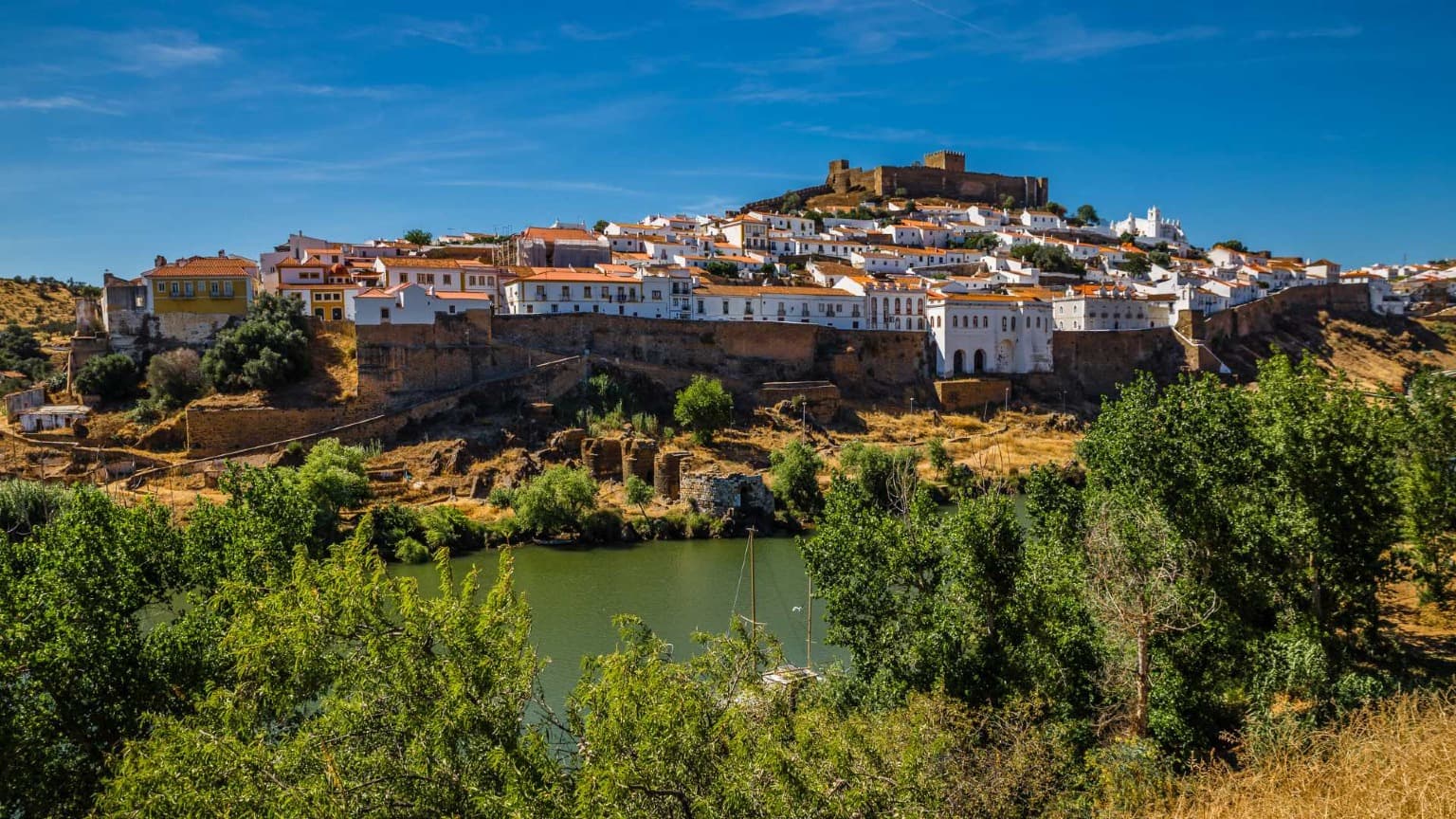
Mértola: a historic riverside village where Roman, Moorish and medieval heritage meet.
Plan Your Alentejo Experience
From the UNESCO-listed streets of Évora and the vineyards of Reguengos to the hilltop village of Monsaraz, the vast landscapes of Alqueva and the wild Atlantic coast, the Alentejo rewards travellers who take the time to explore beyond its best-known landmarks.
👉 Ready to experience the Alentejo for yourself? Explore our curated collection of tours and experiences in the Alentejo, bringing together carefully selected activities from trusted local partners who share Cooltour Oporto's commitment to authenticity, quality and responsible tourism.
Discover the region through local guides and experiences that bring you closer to its history, wine, gastronomy, landscapes and traditions, while supporting the people and businesses that help preserve the Alentejo's distinctive character.
FAQ: Visiting the Alentejo
Written by Gonçalo Castanho, founder of Cooltour Oporto and a Porto-based tourism entrepreneur with over 20 years of experience creating immersive and responsible travel experiences across Portugal.