Baixo Alentejo, European Wine City 2026
February 4, 2026
Where Ancient Amphora Wine Meets a Living Wine Culture in Portugal
In 2026, Baixo Alentejo will step onto the European wine stage as European Wine City 2026, a title awarded by RECEVIN, bringing a year of wine events, open cellars, and cultural experiences across southern Portugal.
More than a symbolic distinction, this recognition celebrates a wine region where 2,000 years of history are still alive, shaped by clay amphorae, communal traditions, and a deeply rooted relationship between land, wine, and people.
Stretching across southern Portugal, Baixo Alentejo is widely regarded as the birthplace of Vinho de Talha, one of Europe’s oldest continuous winemaking traditions, still fermented today in large clay vessels, amphorae, just as it was in Roman times.
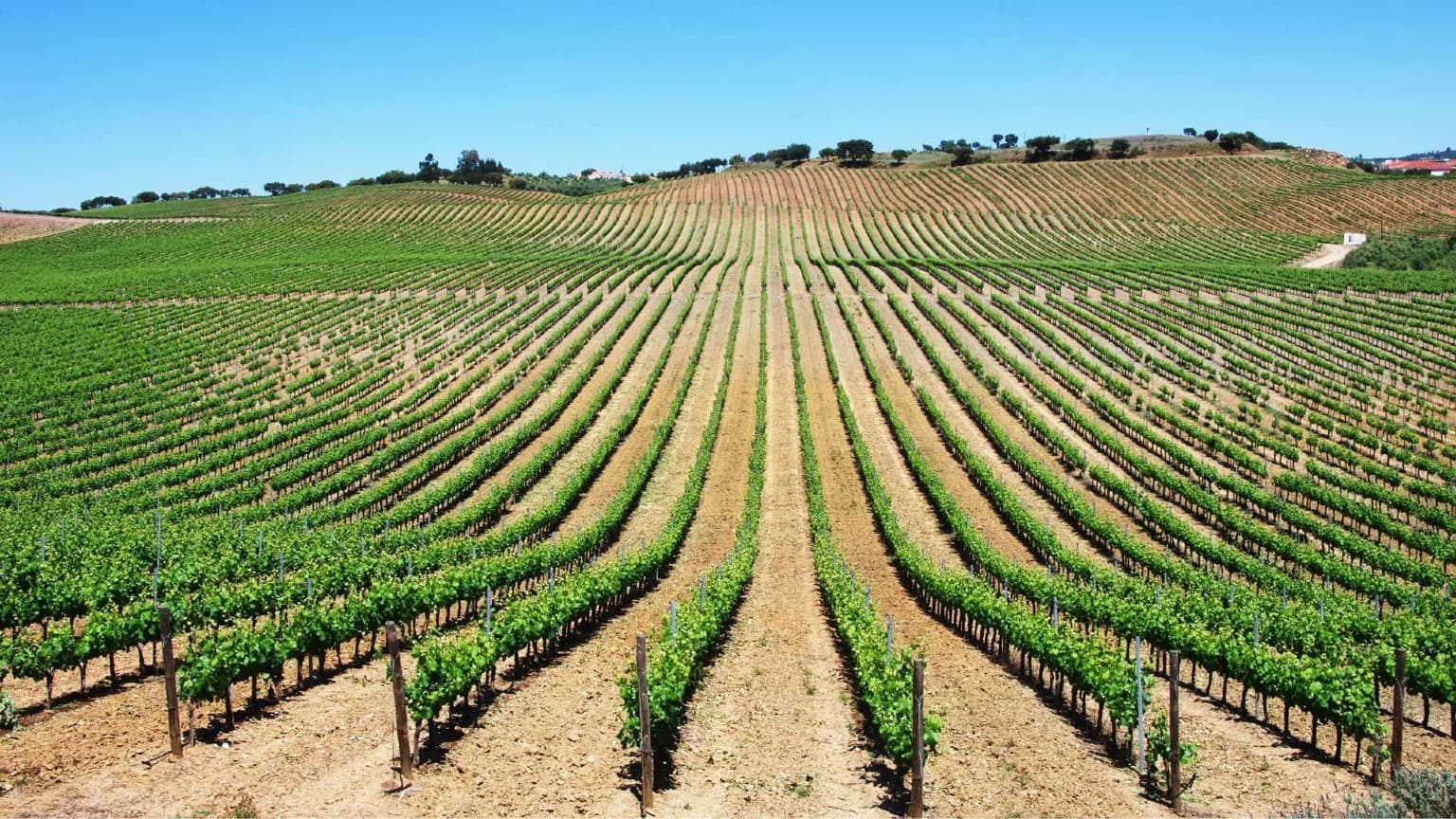
Vineyards shape the open landscapes of Baixo Alentejo, a wine region where tradition, climate, and territory define a distinctive identity.
What Does “European Wine City 2026” Mean?
The European Wine City title is awarded annually to wine regions that demonstrate:
• Strong historical and cultural links to viticulture
• Active wine tourism rooted in local communities
• Commitment to sustainability, heritage, and innovation
For 2026, Baixo Alentejo was selected over other Portuguese candidates, including the Algarve and the Azores, recognizing its authentic wine identity, its living amphora wine culture, and its potential to connect wine with science, health, sport, and heritage.
Throughout the year, more than 300 wine-related activities will take place across the region, turning Baixo Alentejo into a year-long open-air celebration of wine culture.
The European Wine City designation reflects growing recognition of Portugal’s historic wine regions at the European level. After the Douro Valley held the title in 2023, the spotlight now turns south to Baixo Alentejo, a region where wine has been produced continuously for over two millennia and where ancient Talha (clay amphorae) traditions remain part of everyday life.
Official Opening: Beja, February 7, 2026
The official opening of the European Wine City 2026 will take place on February 7, 2026, at the Cine-Teatro Pax Julia, in Beja.
This opening gala will:
• Launch the full annual program
• Bring together producers, municipalities, and cultural institutions
• Mark the symbolic first toast to a year dedicated to wine, territory, and identity
Beja, with its Roman roots, medieval heritage, and long-standing wine culture, acts as a natural gateway to the wider Baixo Alentejo region.
The 13 Municipalities Behind the Title
Unlike a single host city, the European Wine City 2026 is shared by 13 municipalities, each contributing its landscapes, traditions, and wine expressions:
• Aljustrel
• Almodôvar
• Alvito
• Barrancos
• Beja
• Castro Verde
• Cuba
• Ferreira do Alentejo
• Mértola
• Moura
• Ourique
• Serpa
• Vidigueira
This collective approach reinforces the idea that Baixo Alentejo’s wine culture is territorial, communal, and decentralized, deeply tied to villages, tabernas, and family traditions rather than grand monuments alone.
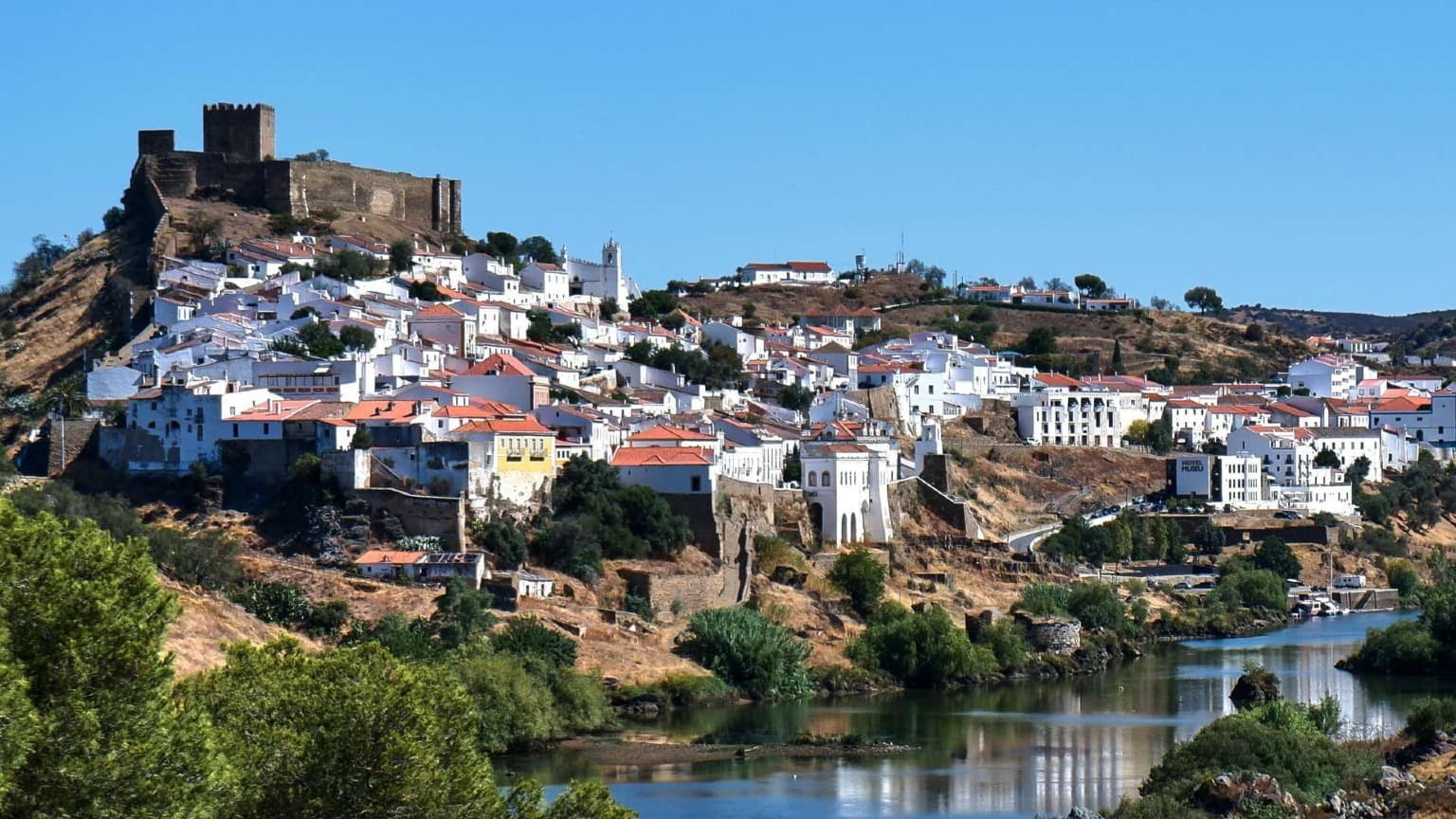
Mértola, one of the historic towns of Baixo Alentejo, where landscape, heritage, and ancient wine culture meet along the Guadiana River.
Why Baixo Alentejo Is Different: Amphora Wine at Its Core
Unlike regions where amphora winemaking has been recently revived as a trend, in Baixo Alentejo it never disappeared. What truly distinguishes this territory from other European wine regions is its continuous use of clay amphorae, locally known as talhas.
Here, wine is still:
• Fermented in large clay amphorae
• Often made in small quantities
• Shared in tabernas and homes
• Closely linked to seasonal rituals and community life
This living tradition makes Baixo Alentejo one of the rare places where amphora wine is not a trend, but a cultural constant.
👉 For a deeper understanding of this ancient method, we’ll soon publish a dedicated article on Vinho de Talha in Alentejo.
Six Themes Shaping the 2026 Program
The European Wine City 2026 program is structured around six core themes, designed to connect wine with different aspects of contemporary life:
1. Wine & Heritage – Roman sites, ancient vineyards, talha cellars, and rural architecture
2. Wine on the Street – Public tastings, tabernas, village celebrations, and informal encounters
3. Wine & Science – Research, amphora fermentation, climate adaptation, and viticulture studies
4. Wine & Health – Mediterranean lifestyle, moderation, and well-being
5. Wine & Sport – Walking routes, cycling, vineyard trails, and outdoor experiences
6. Golden Events – Flagship festivals, international encounters, and key cultural moments
Together, these themes position Baixo Alentejo not only as a wine destination, but as a holistic cultural landscape.
Travelling to Baixo Alentejo in 2026: What to Expect
For travelers, the European Wine City year offers a rare opportunity to experience the region at its most vibrant — without losing its authenticity.
Expect:
• Open-cellar days and amphora tastings
• Wine routes linking villages and landscapes
• Gastronomy rooted in local produce and seasonal cooking
• Encounters with winemakers, farmers, and artisans
• Events spread throughout the year, not concentrated in one festival
Unlike more commercial wine regions, Baixo Alentejo invites slow travel, long lunches, and conversations that often start with wine but end with stories.
👉 For visitors planning to stay overnight, here’s our curated selection of the best eco-stays in Alentejo, from rural wine estates to low-impact countryside retreats.
Why This Matters Beyond Wine
The European Wine City 2026 designation is not just about wine production. It is about:
• Revitalizing rural communities
• Supporting small producers and family projects
• Promoting sustainable tourism models
• Preserving intangible heritage
As local authorities and producers often emphasize, 2026 is a chance to showcase people and territory, with wine as the connecting thread.
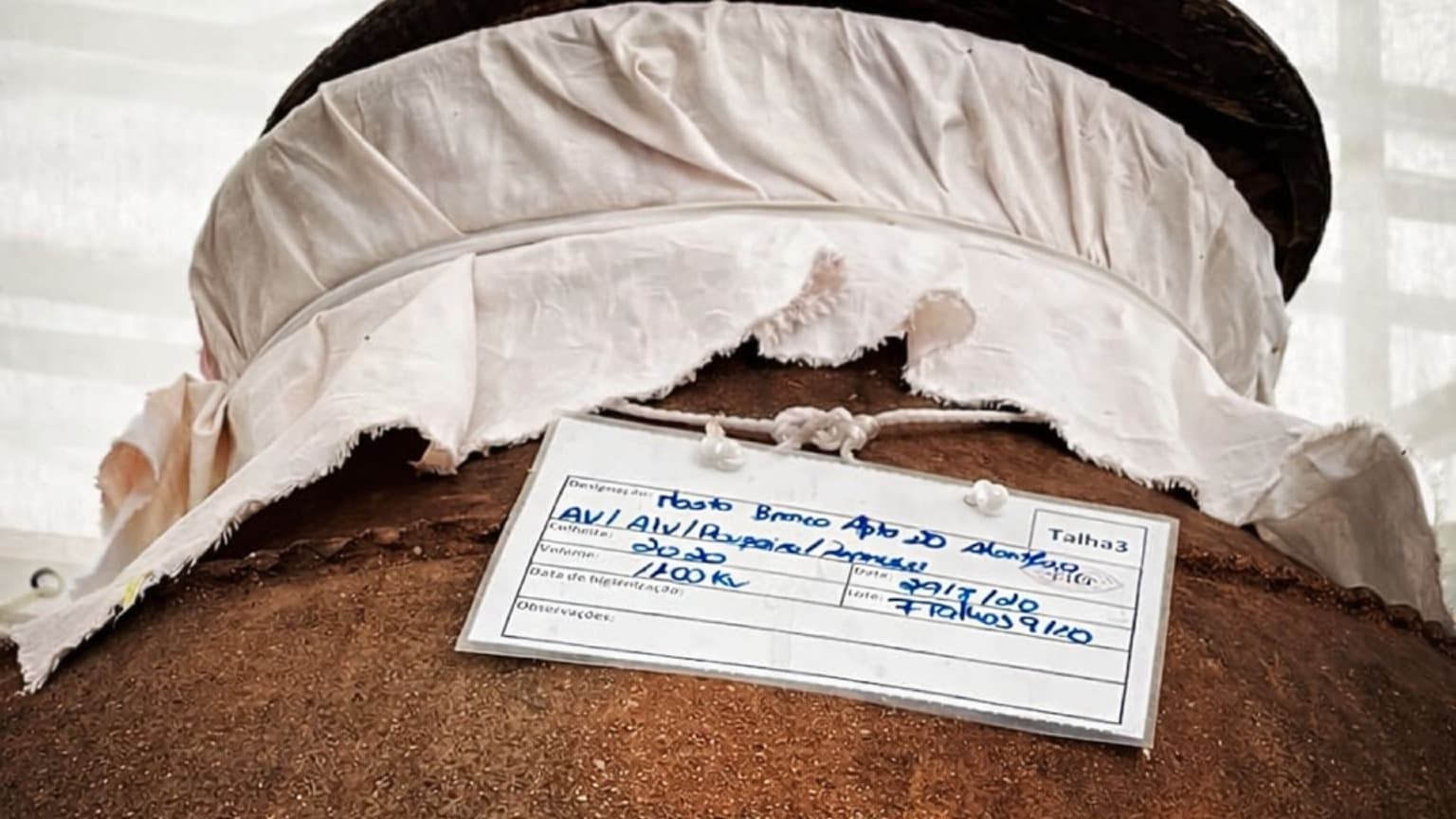
A labeled talha in Vidigueira, where vinho de talha is still fermented naturally in clay vessels as it has been for centuries.
Baixo Alentejo in 2026: A Wine Region Worth Slowing Down For
In a Europe where wine tourism is increasingly standardized, Baixo Alentejo stands out by remaining itself.
Its amphora wines are imperfect, expressive, and deeply local.
Its villages are quiet, generous, and welcoming.
Its landscapes are vast, open, and shaped by time rather than speed.
Being named European Wine City 2026 is not a reinvention — it is recognition of something that has been there all along.
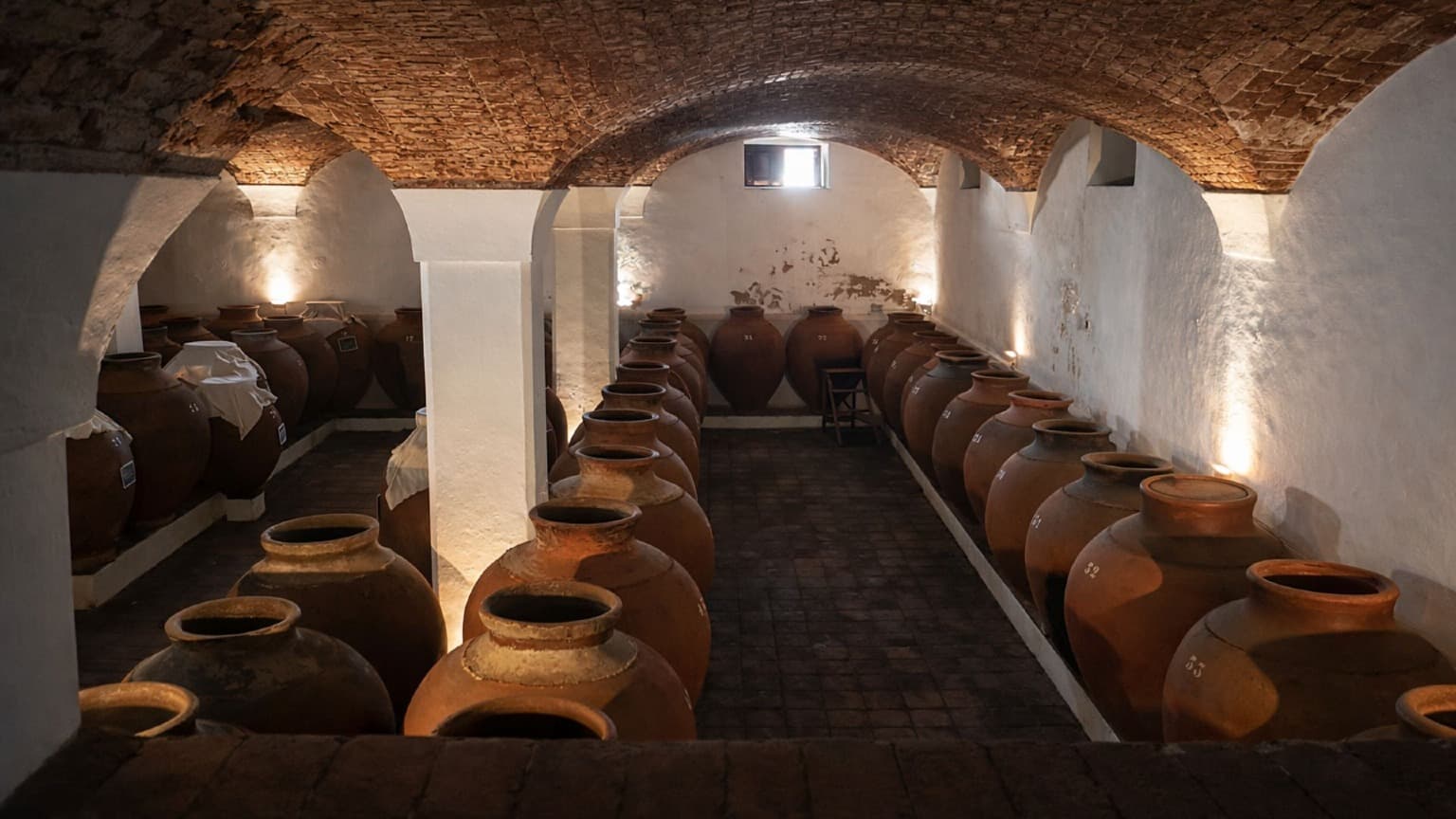
Traditional clay amphorae (talhas) still used today for fermenting vinho de talha in Baixo Alentejo, preserving a winemaking method with Roman roots.
👉 If wine is what brings you to the region but you want to explore further, our complete Alentejo Travel Guide covers villages, landscapes, food, and cultural highlights across the region.
Frequently Asked Questions: European Wine City 2026
Written by the Cooltour Oporto team