Guimarães: European Green Capital 2026
February 18, 2026
Where Portugal’s Birthplace Becomes a Model for Europe’s Sustainable Future
In 2026, Guimarães takes on a new role in European history. Known as the birthplace of Portugal and home to one of the country’s best-preserved medieval centres, the city has been named European Green Capital 2026, a recognition awarded by the European Commission to cities leading the transition toward more sustainable, inclusive, and climate-neutral urban living across Europe.
For travellers, this is not just a title. It’s an invitation to experience a city where heritage, community life, and environmental responsibility coexist naturally, not as a trend, but as a long-term commitment.
👉 If this is your first time visiting the city, you may also want to explore our complete guide to Guimarães, covering its history, main monuments, and must-see sights beyond the 2026 program.
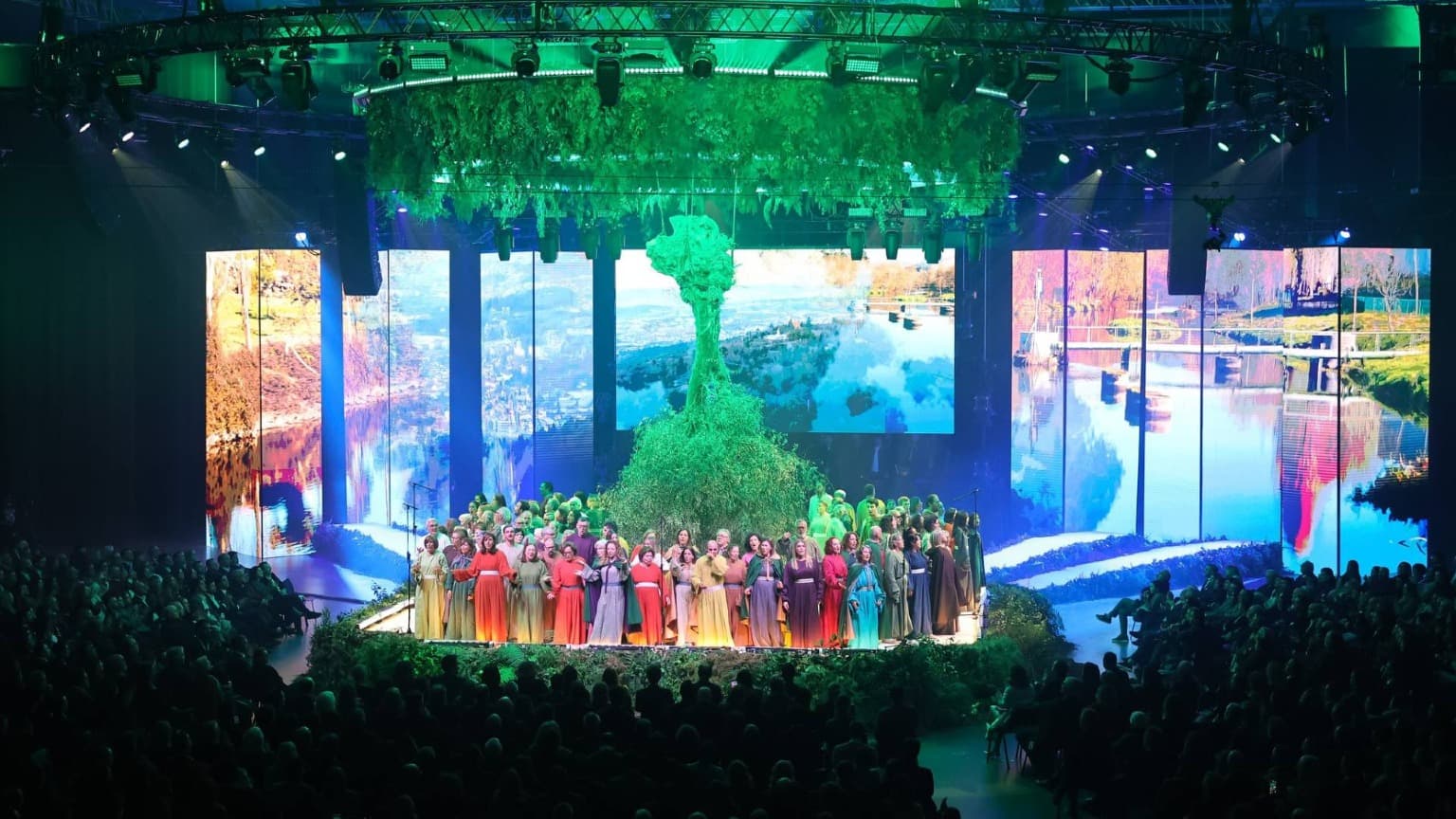
Opening ceremony of Guimarães as European Green Capital 2026, symbolizing the city’s commitment to sustainability, culture, and community-led transformation.
What Does European Green Capital 2026 Mean?
The European Green Capital title is awarded annually to a city that demonstrates:
• Strong environmental governance and long-term vision
• Tangible progress toward climate neutrality
• Innovative approaches to mobility, waste, and urban living
• Active citizen participation in sustainability policies
Guimarães stood out not only for its environmental indicators, but for how sustainability is embedded into daily life, education, and civic culture. With a population of around 157,000, the city proves that scale is not a limitation — it can be an advantage.
After cities like Tallinn and Ljubljana, Guimarães becomes one of the first Portuguese cities to hold this title, placing Northern Portugal firmly on Europe’s green map.
A City with Deep Roots — and a Clear Future
Guimarães is often introduced with a simple phrase seen across its historic centre: “Aqui Nasceu Portugal.” It was here, in the 12th century, that the foundations of Portuguese sovereignty were laid.
That historical weight earned the city its UNESCO World Heritage status in 2001. But Guimarães has never been content to live only in the past.
Over the last decade, the city has quietly built a reputation as one of Portugal’s most forward-thinking municipalities, previously holding titles such as European Capital of Culture and European City of Sport — and repeatedly ranked among the most sustainable cities in the country.
European Green Capital 2026 is not a reinvention. It’s recognition of a path already underway.
Sustainability as a Way of Life in Guimarães
What makes Guimarães different is not a single flagship project, but a systemic approach to sustainability.
Some of the pillars behind the 2026 designation include:
• Education at the core: Programs like PEGADAS have integrated environmental literacy into schools and community life since 2015.
• Circular economy leadership: Initiatives such as RRRCICLO and Portugal’s first Pay-As-You-Throw waste system place responsibility and awareness at household level.
• Clean air and liveability: Around 97% of residents enjoy good or very good air quality, supported by mobility policies and green planning.
• Sustainable mobility: Expansion of electric public transport and long-term investment in climate-neutral urban mobility (including BRT projects).
• Community participation: Sustainability is not imposed — it’s co-created with residents, local businesses, and institutions.
Guimarães is also a signatory of the Green City Accord, reinforcing its commitment to cleaner, healthier cities.
What Will Happen During European Green Capital 2026
The official opening of Guimarães 2026 – European Green Capital marked the beginning of a year-long program combining policy, culture, education, and community action.
Throughout 2026, Guimarães will host:
• Over 200 initiatives spread across the municipality
• European-level events such as Green Week, European Mobility Week, and the European Urban Resilience Forum
• Conferences, workshops, public debates, cultural performances, and educational programs
• Community-led activities designed to involve residents, schools, businesses, and visitors
Rather than concentrating everything into a single festival, Guimarães’ approach spreads sustainability into daily urban life — from neighbourhoods and schools to cultural venues and public transport.
👉 You can follow the full and regularly updated agenda on the official Guimarães 2026 events calendar: https://guimaraes26.pt/eventos/
What to See and Do in Guimarães
Beyond its green credentials, Guimarães remains one of Portugal’s most rewarding cities to explore on foot.
Don’t miss:
• Guimarães Castle – The medieval fortress overlooking the city, inseparable from Portugal’s origins
• Palace of the Dukes of Braganza – A 15th-century residence turned museum, rich in tapestries and history
• Largo da Oliveira – The heart of the old town, framed by Gothic arches and lively cafés
• Torre da Alfândega – For elevated views over terracotta rooftops and green hills
• Penha Mountain & Cable Car – A gentle escape into nature with hiking trails, viewpoints, and shaded picnic areas
The compact historic centre makes Guimarães ideal for slow travel, spontaneous detours, and unhurried meals.
Food, Wine & Local Life in Guimarães
Sustainability in Guimarães is also expressed at the table. The city and its surroundings offer a food culture rooted in local sourcing, seasonality, and culinary identity — spanning refined kitchens, modern bistros, and countryside restaurants.
A clear example is A Cozinha por António Loureiro, a Michelin-starred restaurant widely recognized as Europe’s first Zero Waste fine-dining restaurant. Here, high-end gastronomy and environmental responsibility go hand in hand, with creative menus built around seasonal produce, full ingredient use, and close relationships with local farmers. It proves that sustainability can elevate, not limit, culinary excellence.
👉 For a deeper look at Guimarães, the Minho region, nearby vineyards, and standout restaurants such as Norma and Tia Xica, explore our full guide to Discover Northern Portugal: Minho Region, Braga, Guimarães & Vinho Verde.
Where to Stay Sustainably in Guimarães
While much of Northern Portugal’s eco accommodation is found in rural and vineyard settings, Guimarães itself is home to a rare example of sustainable urban hospitality.
• Hotel Mestre de Avis (Guimarães Historic Centre)
Set within the medieval centre of Guimarães, Hotel Mestre de Avis is a rare example of sustainable hospitality in an urban, heritage-listed setting. This family-run hotel holds the Green Key certification and follows a people-first approach to sustainability, combining environmental responsibility with ethical employment and community involvement.
The hotel prioritizes low-impact operations, local sourcing, and conscious guest practices, while maintaining a warm, personal atmosphere. Its central location — close to Guimarães Castle and the Palace of the Dukes of Braganza — makes it an ideal base for exploring the city on foot, reducing the need for transport.
By integrating art, culture, and responsible tourism into everyday hospitality, Hotel Mestre de Avis shows how small city hotels can play a meaningful role in sustainable travel.
👉 For travellers combining Guimarães with the wider region, explore our curated eco hotels, vineyards, and mountain escapes in Northern Portugal for countryside and nature-based stays.
Visiting Guimarães from Porto: Guided Experiences
Guimarães is easily reached independently, but understanding its layered history and contemporary sustainability projects is far richer with local context.
• Join our small-group tour to Braga & Guimarães, combining Guimarães’ medieval centre with Braga and the Bom Jesus Sanctuary.
• Or choose a private Braga & Guimarães tour, ideal for travellers seeking flexibility, depth, and a personalized pace.
Both experiences are designed for travellers who value storytelling, local insight, and responsible travel. All tours are led by local guides and operated in private and small groups to reduce impact and enhance quality.
When Is the Best Time to Visit?
• Spring and autumn offer mild temperatures and ideal walking conditions
• June brings the Afonsina festival, celebrating Portugal’s first king with parades and reenactments
• Late November & early December host the Festas Nicolinas, one of Portugal’s most distinctive student-led traditions
In 2026, these moments gain additional meaning as part of the European Green Capital calendar.
Why Guimarães Matters as a Travel Destination in 2026
Guimarães shows that sustainability does not mean sacrificing comfort, culture, or identity. Instead, it demonstrates how historic cities can evolve without losing their soul.
For travellers, it offers:
• A UNESCO-listed old town with real daily life
• Green mobility and walkable neighbourhoods
• Strong local gastronomy and regional wines
• Easy access from Porto and Northern Portugal
• A city actively shaping Europe’s urban future
European Green Capital 2026 is not about branding — it’s about credibility.
Guimarães in 2026: A City Worth Experiencing Slowly
Some places teach you history. Others show you the future. Guimarães manages to do both at once.
In 2026, visiting Guimarães means walking through medieval streets while engaging with one of Europe’s most thoughtful approaches to sustainable urban living — not as a showcase, but as a lived reality.
It’s a reminder that the green transition doesn’t have to erase the past. Sometimes, it grows directly from it.
Frequently Asked Questions: Guimarães European Green Capital 2026
Written by the Cooltour Oporto team