Portugal Day in Portugal: June 10, Camões & National Celebrations
June 7, 2024
Updated June 2026: refreshed annually with the latest official celebrations and visitor information
Every year on June 10, Portugal celebrates its national day: Dia de Portugal, de Camões e das Comunidades Portuguesas: the Day of Portugal, Luís de Camões, and the Portuguese Communities.
More than a public holiday, it is a day that reflects Portuguese identity itself: history, language, exploration, literature, migration, and the global communities that continue to shape Portugal far beyond its borders.
Across the country, the date is marked by military ceremonies, cultural events, concerts, official speeches, and civic celebrations. But unlike many national holidays, June 10 in Portugal also carries a strong emotional and cultural dimension, deeply connected to literature, memory, and national identity.
👉 Planning your trip through Portugal? Explore our complete guide to the best cultural destinations and experiences across the country.
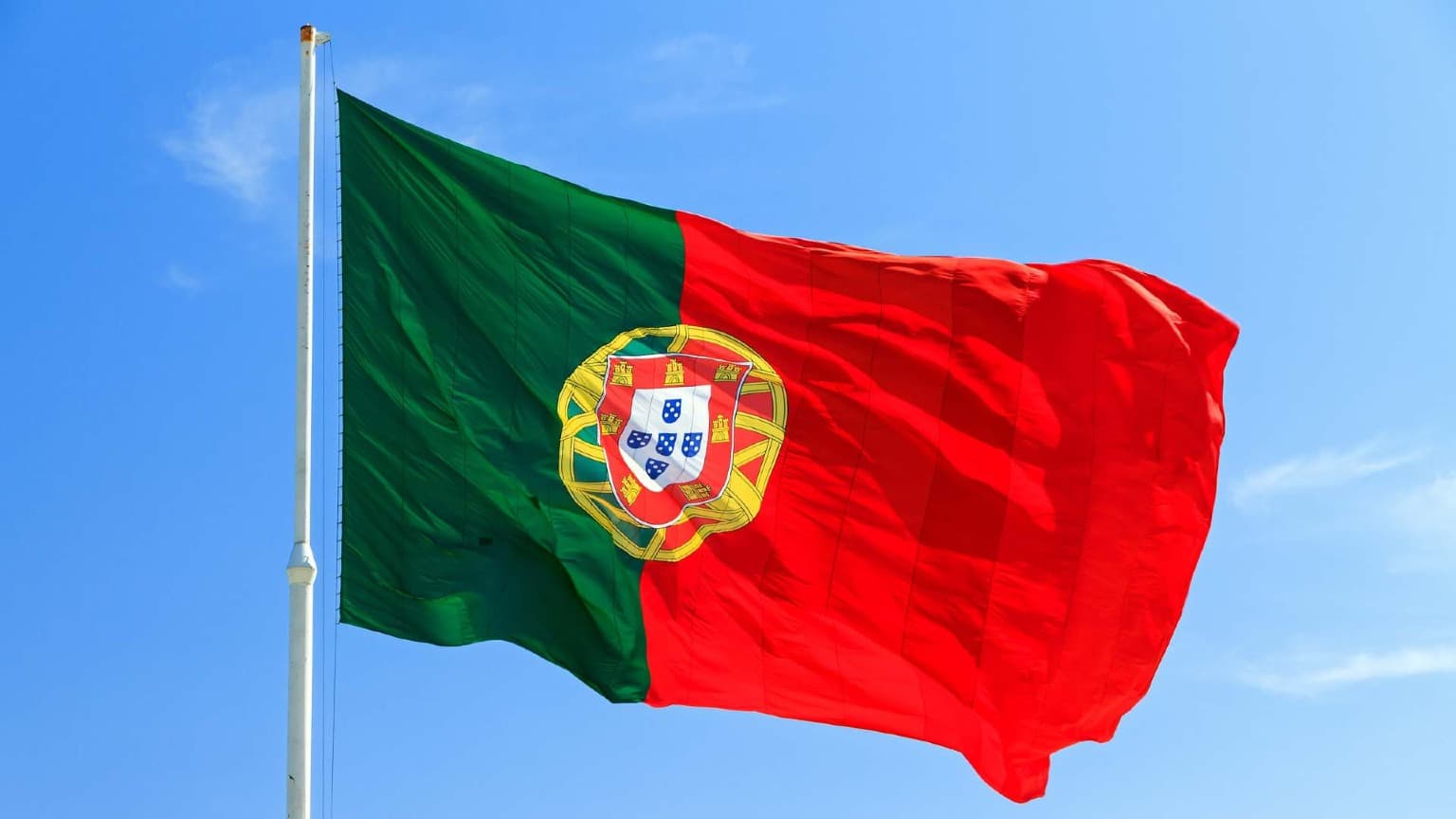
The Portuguese flag flying on Portugal Day, celebrated annually on June 10 across Portugal and Portuguese communities worldwide.
Why Is Portugal Day Celebrated on June 10?
June 10 marks the death of Luís Vaz de Camões, Portugal’s greatest poet and the author of Os Lusíadas, the epic literary work that became a symbol of Portuguese identity and exploration.
Over time, the date evolved beyond literature and became Portugal’s national day, celebrating:
• Portuguese culture and language
• National identity and democracy
• The global Portuguese diaspora
• The historical connections between Portugal and Portuguese communities worldwide
Today, June 10 is both patriotic and cultural; a celebration not only of the nation itself, but of the people, language, and heritage that connect Portuguese communities across continents.
Luís de Camões and Os Lusíadas
Few literary figures are as closely tied to a country's identity as Camões is to Portugal.
Born around 1524, Luís Vaz de Camões lived during the height of the Portuguese Age of Discoveries. Although parts of his life remain uncertain, historians know he spent time in Lisbon, Coimbra, North Africa, and the East, including India and Macau.
As a soldier, he lost an eye in combat in North Africa. As a writer, he transformed Portuguese history into epic literature.
His masterpiece, Os Lusíadas, published in 1572, recounts Vasco da Gama’s voyage to India while celebrating Portuguese navigation, courage, ambition, and sacrifice. The work combines mythology, history, politics, and human emotion in a way that shaped Portuguese cultural identity for centuries.
Camões died on June 10, likely in 1580, and the date would eventually become Portugal’s national holiday.
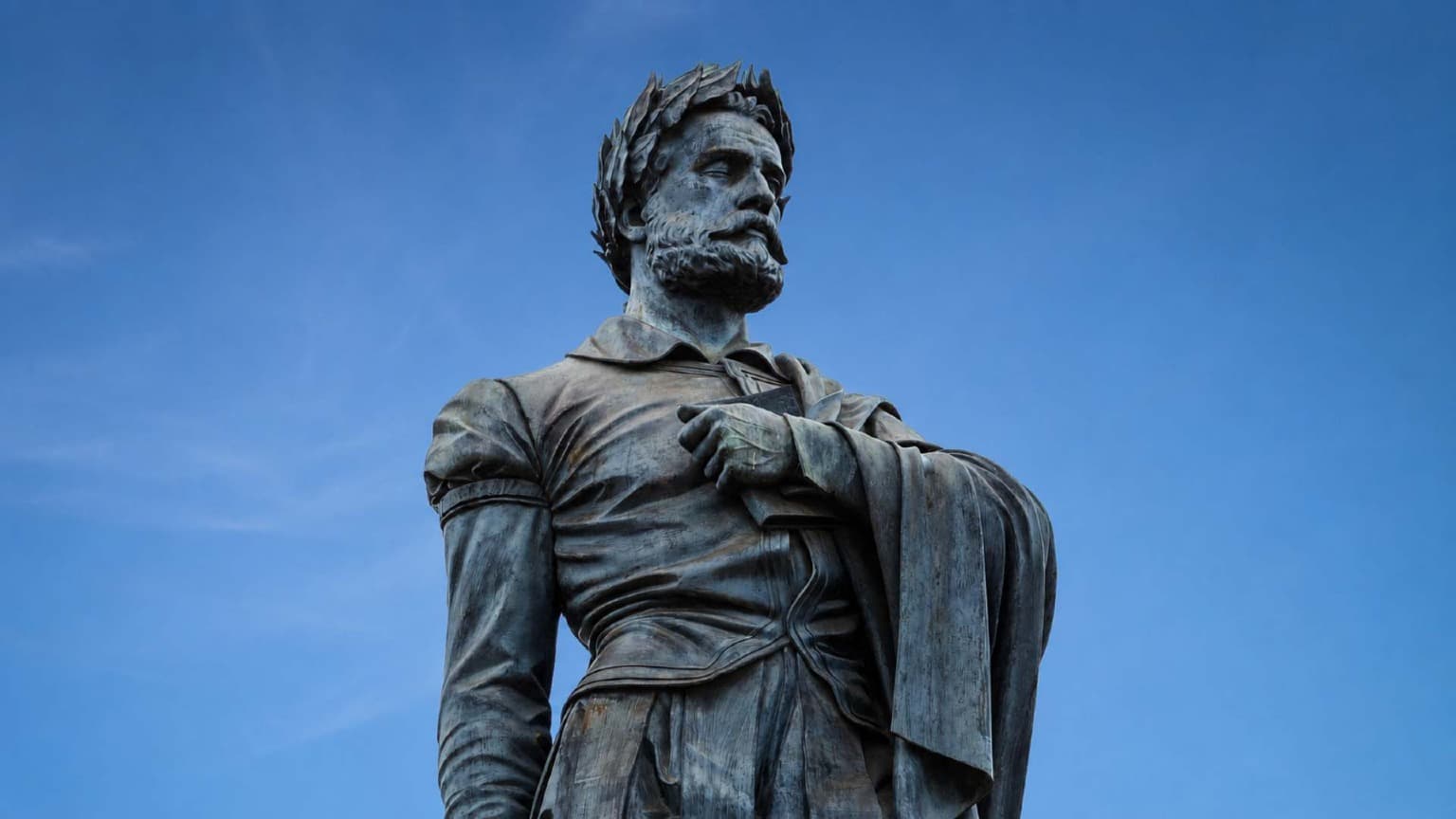
Statue of Luís de Camões in Lisbon, the poet whose legacy inspired Portugal Day, celebrated annually on June 10.
From Dictatorship to Democracy: How the Meaning of June 10 Changed
The meaning of June 10 has evolved significantly throughout modern Portuguese history.
During the Estado Novo dictatorship led by António de Oliveira Salazar, the day was used as a nationalist symbol closely tied to imperial ideology and colonial power. Official ceremonies glorified military strength and empire, especially during the Colonial War period in Africa.
After the Carnation Revolution of April 25, 1974, Portugal redefined the holiday completely.
In 1978, the democratic republic officially established the modern designation: Dia de Portugal, de Camões e das Comunidades Portuguesas.
The focus shifted toward:
• democracy
• unity
• cultural identity
• the Portuguese language
• recognition of emigrant communities abroad
Today, the celebrations seek to reflect a more open and plural vision of Portuguese identity.
👉 To better understand modern Portugal, explore our guide to the Carnation Revolution and Freedom Day celebrations.
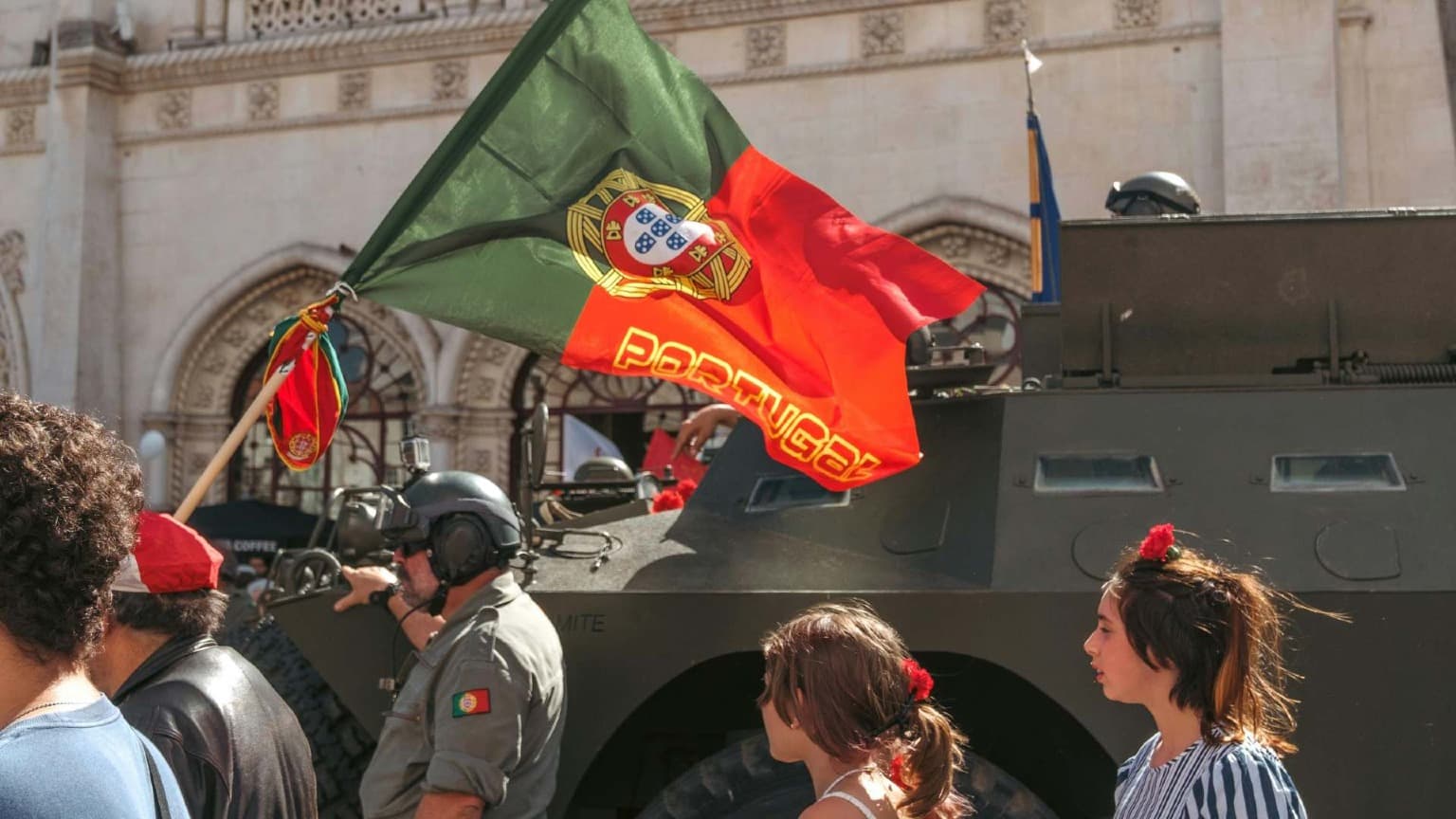
Portugal's democratic celebrations today are rooted in the Carnation Revolution of 25 April 1974, which ended decades of dictatorship and reshaped the country's national identity.
Portugal Day 2026: This Year’s Official Celebrations
2026 Official Celebrations
The 2026 Portugal Day celebrations take place in:
• Terceira Island (Azores)
• Luxembourg
The dual location continues a tradition established in recent years: one celebration within Portugal and another alongside an important Portuguese community abroad.
The choice of the Azores marks the 50th anniversary of the constitutional recognition of Portugal’s Autonomous Regions, while the Luxembourg celebrations acknowledge the historical contribution of Portuguese emigrant communities across Europe.
A second commemorative ceremony linked to the autonomy celebrations will also take place in Madeira on June 12.
The 2026 commemorations are organised under the direction of the Presidency of the Republic in partnership with cultural institutions, local authorities, and the Portuguese Armed Forces.
Official schedules and ceremonial details are typically updated closer to the date through institutional channels.
👉 For official updates and programme information, consult the Presidency of the Republic website and local municipal authorities.
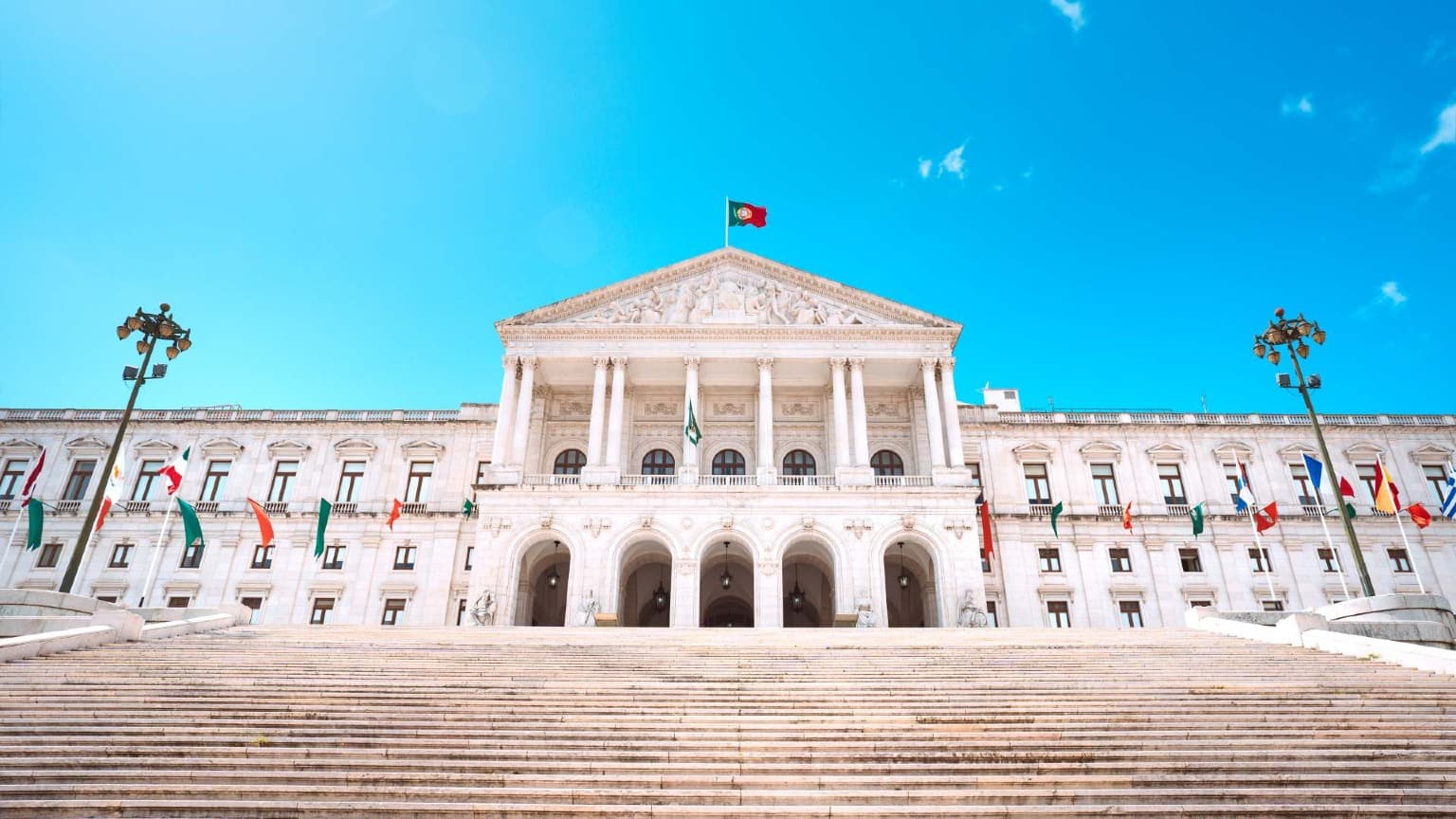
The Assembly of the Republic in Lisbon, centre of Portugal's democratic political system and national commemorations.
How Portugal Celebrates June 10
Although the official ceremonies change location every year, certain traditions remain central to Portugal Day celebrations:
• Military ceremonies and state honours
• Flag-raising events
• Concerts and cultural performances
• Public speeches and civic commemorations
• Celebrations involving Portuguese communities abroad
• Educational and cultural activities linked to Portuguese history and language
Throughout Portugal, museums, municipalities, cultural centres, and historic sites often organise additional programming during the surrounding days.
Previous Portugal Day Celebration Cities
Recent editions of Portugal Day have taken place across different regions of Portugal and abroad:
• 2026: Terceira Island (Azores) and Luxembourg
• 2025: Lagos and Germany
• 2024: Figueiró dos Vinhos, Pedrógão Grande, Castanheira de Pera, Coimbra, and Switzerland
• 2023: Peso da Régua and South Africa
This decentralised model helps connect the celebration not only to Lisbon, but to different Portuguese regions and international communities.
Visiting Portugal During Portugal Day
June is one of the best months to visit Portugal.
The weather is warm without the intensity of peak summer, cultural events begin to fill city calendars, and national celebrations create a lively atmosphere across the country.
For travellers, Portugal Day offers:
• a deeper understanding of Portuguese identity
• authentic public celebrations
• cultural programming beyond tourism
• local traditions and ceremonies
• excellent travel conditions across Portugal
Practical tips:
• Expect closures of public offices and some services on June 10
• Book accommodation early in official host cities
• Arrive early for public ceremonies and concerts
• Use public transport when attending major celebrations
• Combine Portugal Day events with regional travel experiences
👉 Discover tours, cultural experiences, and day trips across Portugal with Cooltour Oporto.
Why June 10 Still Matters
Portugal Day is ultimately about continuity: between past and present, Portugal and its diaspora, memory and identity.
It is a celebration shaped not only by history, but by language, migration, literature, and democratic values. For many Portuguese families abroad, June 10 remains one of the strongest emotional connections to the country.
For visitors, it offers something increasingly rare in Europe: a national celebration that still feels meaningful to the people participating in it.
Frequently Asked Questions
Written by the Cooltour Oporto team